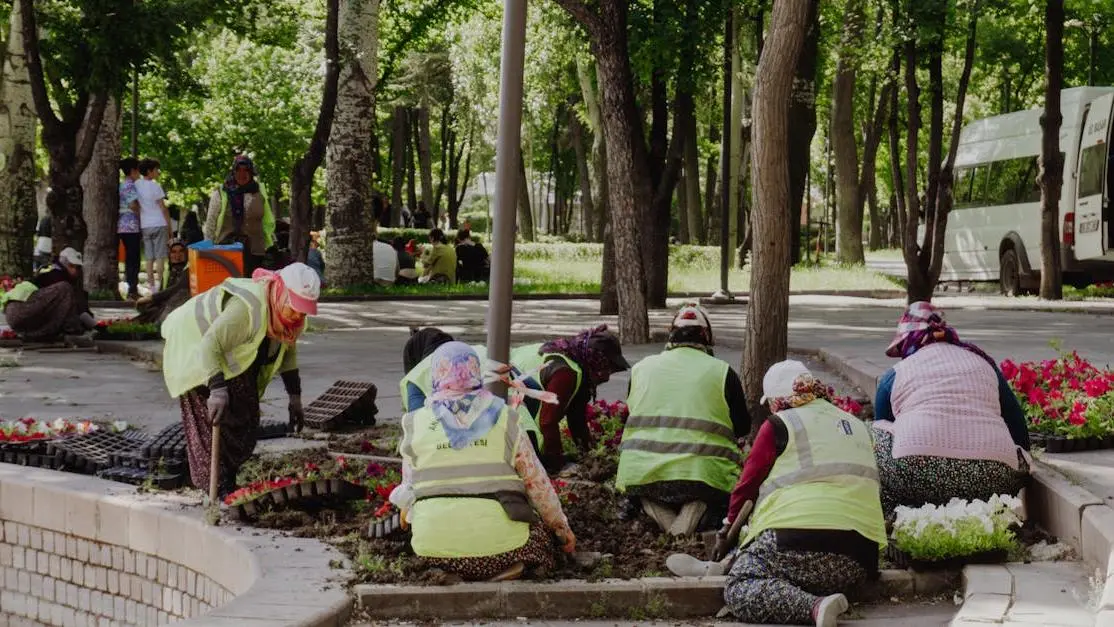
Better impact volunteering starts when you want your time and skills to create real, lasting change for your neighbors—not just check off a good deed.
We know it can be frustrating to feel like your efforts aren’t adding up or making the difference you envision.
That’s why we designed this guide to help you:
- Define what better impact volunteering looks like for individuals and peer-driven groups
- Uncover ways to connect directly with unmet local needs and build sustained, measurable results
- Learn how to balance your passion with sustainable routines, feedback, and peer-to-peer tools that transform your commitment into community progress
Understand What “Better Impact Volunteering” Means
Your drive to serve shouldn’t stop at “doing good.” If you want results that last, you need better impact volunteering—focused, strategic, peer-powered action that truly moves the needle.
Here’s what defines better impact volunteering:
- Measured Positive Outcomes
Real progress means tracking what changes for the people you help. For example, after a Gathr-driven neighborhood tutoring project, students’ reading scores grew by 15% over one semester.
Proof: Tracked improvement over time signals more than just effort; it shows you’re closing gaps. - Consistent, Embedded Roles
Volunteers plugged into weekly shifts or recurring projects stick around longer. In our community garden pilots, a steady three-person crew produced double the food output across two growing seasons.
Best fit: Anyone who wants a deeper connection and clear, repeatable results in their area. - Stronger Local Trust Networks
Sustained volunteering with open communication fuels new partnerships—think neighbors swapping childcare or mutual support groups reporting 20% higher satisfaction when everyone has a role.
You benefit from strengthened networks, not just numbers. - Documented Community Feedback
We see the most powerful shifts when you gather, analyze, and act on honest local feedback. In Gathr-organized listening sessions, community needs realigned every quarter, letting volunteers shift strategy quickly.
Adapting fast multiplies your value to those you serve.
Peer-to-peer models like Gathr lower barriers and cut wasted bureaucracy. You jump in fast, fill hyper-local needs, and build trust with real people—not just orgs.
Better impact means moving from ‘feel-good’ to ‘measurable good’—focused, frequent, peer-driven.
Assess where your energy goes. Start aiming for work that leaves a mark and draws in others.
Clarify Your Personal Impact Thesis: Know Your Skills, Passions, and Alignment
Start strong by matching what you offer with the needs and gaps in your space. When you know your value, you stick with it. That’s how real impact happens.
Identify Your Strengths and Passions
We want to help you make volunteering fit your life, your style, your expertise. Do a quick skills audit:
Personal Impact Mapping Checklist:
- List your top 5 skills.
- Note your available hours per week or month.
- Mark causes that fire you up—education, climate, community care, and so on.
- For each, score how easy and enjoyable it is to do locally.
You uncover surprising strengths—maybe you crush Excel spreadsheets or get kids excited about science experiments.
Match Skills to Community Needs
Don’t settle for what’s available. Seek what’s needed.
- Pair your Excel knowledge with food pantry recordkeeping.
- Use your event organizing skills for the monthly park cleanup.
- Offer translation to bridge language gaps in local clinics.
Try a simple mini-SWOT chart:
- Strength: You’re calm under pressure.
- Weakness: Only two hours a week.
- Opportunity: Elderly neighbors needing grocery delivery.
- Threat: Possible burnout if no backup.
Run a test. Volunteer once a week for six weeks. Track what feels meaningful and fits your life.
Write your “impact thesis”: Who you help, how, how often, and how you’ll know it works. Simple, focused, and powerful.
Clarifying your role fuels motivation and steady progress.
Map Your Local Volunteer Ecosystem and Identify Unmet Needs
A big impact starts by really listening. We see the best results when you dig beyond the obvious and map real needs.
Talk to schools. Check in with local businesses. Attend a neighborhood group. In Gathr, we help users pinpoint gaps by surfacing real requests and ideas from actual neighbors, not just agency wish lists.
Steps to Map Your Community’s Needs
- Create a stakeholder list: residents, schools, faith groups, businesses.
- Hold quick interviews or chats—aim for at least 10-15 people in your area.
- Jot down their top 3 unmet needs, using plain language.
Pull in supporting data:
- Local government reports.
- School attendance totals and meal program signups.
- Community health clinic waitlists.
- Mutual aid groups’ public posts.
You’ll spot patterns: translation for appointments, digital literacy for seniors, logistics support after crises.
Ongoing needs-mapping matters. Modern communities change fast—revisit this quarterly and sync with real-time requests on Gathr.
Organize what you discover into a living map or shared dashboard. Score each need on urgency, impact, and “do-ability.” Now you’re ready to act with purpose—not just show up when asked.
Design a Narrow, Repeatable Contribution for Lasting Results
Broad efforts often spread us too thin. Consistency wins every time. Choose a single project or role. Perfect it. Repeat it. Results will scale.
What Makes a Contribution High-Leverage
- Time-bound: One–two hours a week.
- Clear checklist: Standard steps for each session.
- Simple measurement: Track who you help, what changes, progress every month.
- Handoff-ready: Anyone can repeat your steps if you’re away.
Example:
- Weekly library tutoring using a tracker—boosts student scores and builds trust.
- Monthly neighborhood cleanups using a shared calendar—keeps turnout high, spaces clean.
- Structured phone check-ins with isolated neighbors—lowers loneliness rates, measured by regular follow-up calls.
Troubleshoot with smart tools:
- Use a rotating schedule. Recruit backups.
- Stay on track with SMART goals.
- Build in accountability: buddy up for each project.
Micro-actions, done steady and often, drive the biggest outcomes.
Focus. Measure. Refine. Success multiplies when your process is repeatable.
Build Relational Equity: Trust, Accountability, and Community Leadership
The most lasting impact grows from reliable relationships—not one-off acts. Show up. Build trust. Help your neighborhood thrive.
Growing Trust and Social Capital
Trust building starts small and adds up. Lead with listening. Co-create goals. Keep open communication lines.
- Host community listening sessions every quarter.
- Set clear MOUs or agreements to define everyone’s responsibilities.
- Celebrate milestones: community shoutouts or small events work wonders for morale.
Your presence, not just your skills, matters most. Strong social ties turn helpers into leaders. Volunteers who co-create solutions stay longer, recruit others, and drive bigger change.
Partnerships work best when built step by step. Start a pilot project together, share feedback openly, and recognize every contribution—big or small.
Real impact comes from being present, honest, and sharing results. Show up for your people, not just projects.
Take ownership. Foster connection. Community grows deeper when trust comes first.
Commit to Feedback Loops and Measure Your Volunteer Impact
If you aren’t tracking, how do you know your work creates change? Measurable feedback is the difference between busywork and better impact volunteering. Our community thrives on actionable learning, regular reviews, and candid feedback.
Get specific. Start measuring both what you do and what outcomes actually shift. Embrace numbers, but don’t neglect stories. Both count.
Real-World Feedback Tools:
- Anonymous feedback forms for honest insights
When volunteers used short Gathr surveys after every project, 87% identified easy, actionable tweaks for the next round. - Pre and post assessments for skills or knowledge
A simple reading test at the start and end of tutoring showed 94% of students improved—proof your actions add up. - Quantitative dashboards
Volunteers tracking their hours and people reached see progress in real time. This fuels motivation and builds trust with partners. - Short impact stories
Collect and highlight one takeaway each month from someone you helped. It personalizes your stats and attracts new collaborators.
You don’t need a fancy system—spreadsheet charts, a group message summary, or the built-in tracking tools in Gathr are enough.
Feedback drives confidence, unlocks learning, and makes your impact visible to everyone.
Always loop back. Run monthly reviews: What worked? What fell flat? What should shift? Share findings and switch approaches as needed.
Sustain Your Effort With Healthy Boundaries and Micro-Habits
Driven volunteers burn out fast if they don’t protect their time and energy. Consistency comes from the right boundaries—not endless hustle.
Claim your limits. Define when and how you’ll help, and stick to it. Build healthy habits for recovery and self-checks.
Micro-Habits That Protect Impact:
- Set one fixed hour a week for volunteering. Respect that window—even when things get busy.
- Schedule “no-volunteer” days to recharge.
- Partner with another volunteer to rotate or delegate tasks. Shared effort, shared impact.
- Do a brief debrief after each shift—write one win and one area to watch next time.
Stay connected with your life outside helping others. That’s not selfish, that’s sustainable.
If fatigue creeps in, reach out. The Gathr community supports asking for help, swapping shifts, or stepping back to regroup.
You make a bigger impact by being reliable, not relentless. Rest is part of progress.
Explore Peer-to-Peer Volunteering and Why It Works
Peer-to-peer models supercharge impact by putting you in control. You can respond faster, match skills to needs right now, and build trust through real, direct connections.
Unlike top-down groups, Gathr gives you space to offer or request help on your terms. Want to run a park cleanup or join a meal delivery loop? You decide. It keeps things flexible, fun, and deeply personal.
Peer-to-Peer Advantages:
- Direct local relevance—quickly fills urgent, overlooked needs
- Low barriers—easy to try new roles, shift focus, or scale up
- Recurring support—regular swaps, buddy systems, and tool-sharing create safety nets
- Trust and speed—when you know people, you help faster, safer, smarter
Yes, you’ll need ground rules and basic reference checks for sensitive roles. Gathr’s platform makes this simple and secure, so everyone feels good stepping in.
You’re not just helping—you’re building a true support network, one neighbor at a time.
Frequently Asked Questions About Better Impact Volunteering
You have questions. We see them every day. Let’s answer the top ones.
How do I get started if I’m completely new?
Start small. Use Gathr to find a one-off shift or join a listening session. Test one role for a few weeks. Reflect, adjust, then build a routine.
What if I don’t have special skills or lots of free time?
Micro-volunteering works. Can you offer one hour a week, or call someone who needs support? Often, consistency beats expertise.
How do I avoid doing something the community doesn’t need?
Ask first! Map needs using chats and community check-ins. Align your passion with verified gaps. Want proof? Our highest-impact projects always start with a conversation, not an assumption.
How can I track and share my impact?
Document hours, number of people helped, and a few feedback quotes. Use a simple dashboard or Gathr’s built-in reporting to keep your story front and center.
What if I make a mistake?
Own it, fix it, move forward. Apologize directly, dig into feedback, then update your routine. Everyone improves when errors become lessons.
Is peer volunteering safe and accountable?
Stay transparent, set clear expectations, and use Gathr’s community features for moderation and reference checks. Keep group activities public whenever possible.
Consistent action, honest feedback, and community connection turn good intentions into better impact.
Looking for a way to get involved in your community?
Check out Gathr — a new app that makes it easy to find volunteer opportunities anywhere.
Find Opportunities →Conclusion: Start Making a Better Impact Volunteering, One Step at a Time
Every real change starts with that first focused action. We believe in your power to drive transformation—and we’re here to help you bring your skills, ideas, and energy to life, one project at a time.
Reflect. Map your strengths. Act with purpose. Use Gathr to discover unmet needs, track your wins, and become part of a movement that multiplies impact everywhere.
You don’t need to wait. Now is your moment to make volunteering work better for your neighbors, your community, and yourself.
Let’s build a better world—together.