
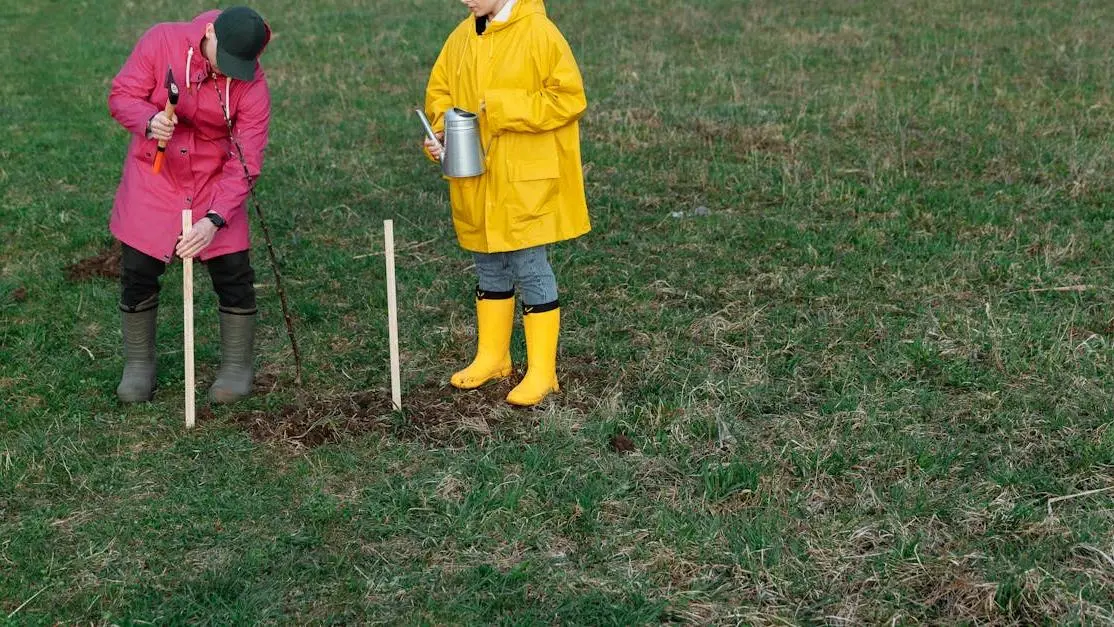
You know that tree planting is about more than just adding greenery—it’s a direct way for people like us to shape healthier, more connected communities.
Making a real difference can feel overwhelming or lonely, so we’ve developed a guide to help you get involved, collaborate with neighbors, and see real impact together:
Understand the Transformational Power of Tree Planting for Communities
Stepping up to plant a single tree isn’t just about adding another spot of green or offsetting a personal carbon footprint. Community-driven tree planting moves quickly from an individual good deed to a proven tool for real social and economic transformation. Here’s what actually changes when we work together.
Immediate Impacts of Community Tree Planting:
- Brings together people from different walks of life for a common goal. This starts conversations, builds trust, and often jumpstarts future projects.
- Tackles local inequity head-on. In Los Angeles Council District 8 (12.2% canopy vs. city average 21.6%), residents unite to close a historical green divide, boosting pride and belonging one sapling at a time.
- Shows progress fast. Group planting days and shared photo albums make small wins visible, reinforce commitment, and motivate ongoing care.
- Proves that every effort scales. Modeling in one large city revealed that 24,003 new trees produced $111,810/year in annual value and grew to over $50 million in structural worth over time. Your small Saturday group effort isn’t just symbolic. It’s a real financial and health investment.
You may wonder if one tree or one event makes a dent. The answer is yes—when people come together, benefits multiply and stick around. Tree planting gains momentum in P2P environments because results are visible, work is shared, and care is distributed. It turns skepticism into tangible rewards that everyone can measure.
Community planting reshapes neighborhoods, shrinks local climate risks, and provides fast proof that collective action works.
Try this for quick momentum:
- Organize a block planting day.
- Set up shared watering shifts.
- Involve both schools and seniors to maximize skills and deepen roots in the community.
- Map your project publicly to keep progress visible and pressure high.
Discover the Lifelong Benefits of Community-Led Tree Planting
Tree planting doesn’t just make neighborhoods prettier. It gets real results you’ll feel, see, and experience for years. Whether you crave better health, safer streets, or vibrant places for your kids to play, the research shows that trees deliver.
How Green Spaces Change Lives
A surge of new trees in a city means:
- Up to $3.3 million a year in household energy savings from shaded houses and cooled streets. This is not theory; it’s cash back in residents’ pockets every month.
- Crime drops. Studies link a 10% bump in canopy cover to double-digit percentage reductions in violent and property crimes.
- Property values rise. On average, a single tree planted near a home increases its value by roughly $110, multiplying the net worth of entire neighborhoods.
- Streets get safer, quieter, and more beautiful. Trees reduce noise and create attractive, walkable blocks.
This isn’t just about “feeling good.” Data from London’s i-Tree Eco inventory, for instance, shows urban trees clean the air, soak up climate-warming carbon, and save cities millions in stormwater costs every year.
Social and Health Perks that Stick
Strong neighborhoods need strong connections. When we plant together:
- Residents bond across generations as seniors, parents, and youth work side by side.
- Mental health gets a boost thanks to more time spent outside. Researchers link more green to less stress, lower risk of heart attacks, and even better airways for kids.
- Community identity sharpens. Planting builds local pride, and stewardship cements it for the long haul.
Participatory projects like the Philippines’ National Greening Program did more than add trees—they created paid jobs for over a million people, raised incomes, and gave families a steady source of pride.
Every new tree delivers cooling, cash savings, pride, and purpose to everyone nearby.
See the Shared Success Stories and Lessons Learned
Collaborative tree planting leads to lasting change—not just for the original planters, but for entire neighborhoods.
Programs like TIST in Kenya show that neighborhood greening is contagious. As community groves go in, nearby landowners follow suit, creating spillover effects measured up to 360 meters away. It’s not just about the plot you plant on; it’s about changing habits and hopes in a whole area.
Studies confirm: Residents who plant themselves, or chip in, feel increased pride and responsibility for those trees. Survival rates and tree health improve. And where planting includes stewardship, jobs, and a role for local voices, participation stays high year after year.
Communities learn to:
- Select the right species for both biodiversity and allergy safety. Getting this right means better survival, less missed school, and more wildlife.
- Pair events with training and clear maintenance plans. This turns short-term success into long-term gains.
- Map and celebrate successes—public recognition breeds more action.
Greening has a ripple effect. The more locally-rooted the project, the greater its reach and resilience.
Explore the Social and Economic Value of Tree Planting
If you’re searching for change you can see and measure—this is it. Tree planting in your community literally pays you back.
Here’s what the research tells us:
- Shade cuts energy bills. In major city projects, 84,000 trees now save $3.3 million a year in cooling costs.
- Properties boost in value: One study found an annual net uplift of $4.1 million across impacted areas.
- Jobs grow with the canopy. Programs in the Philippines and South Africa created tens of thousands of paid roles, transforming local economies one nursery or watering crew at a time.
Biodiversity flourishes when new corridors link fragmented habitats. Local wildlife returns, and pollinator numbers jump. Meanwhile, communities with new tree cover report quantifiable drops in crime rates and stormwater costs—saving millions yearly.
Want the numbers?
- Carbon capture can reach up to 303 million tonnes in a decade, turning local planting days into global-scale climate action.
- London’s urban trees remove pollution worth over £126 million each year, keeping lungs healthier and hospitals quieter.
Each tree connects households to prosperity, climate action, and a safer, healthier life.
Next time you check the shade on your street or weigh community impact, know that tree planting brings big, lasting wins—fast.
Join the Movement: How to Get Involved in Reforestation Efforts Locally and Globally
It takes action—not just intention—to build a greener world. Getting involved is easier than most expect. Whether you want to start on your block or join a global project, real pathways exist for every skill set and schedule. You don’t need expert knowledge or weeks of free time. You need a first step.
At Gathr, we’ve seen volunteers thrive when barriers drop. Our peer-to-peer platform lets you offer help, ask for it, or join a project at your pace. You can help plant in your neighborhood, map progress, or even rally friends for a new street grove.
Simple Ways to Start Making an Impact:
- Start a planting on your street. Use Gathr to match with neighbors who can swap tools, split seedlings, or offer watering tips.
- Team up with local schools. Enlist students for mapping, monitoring, and storytelling. Education and engagement go hand in hand.
- Take part in community nursery programs. These efforts provide paid work and training—perfect for those who want to support local jobs as well as improve their own backyard.
- Join global campaigns. Look up active projects or request guidance, then bring the energy back to your city.
- Use basic tracking tools. Snap tree photos, log GPS points, or keep group checklists so everyone sees growth over time.
When we show up, even in small numbers, the effects echo outward—across families, neighbors, and even city officials who tally our results. For a full breakdown of why these efforts matter, see EcoMatcher’s resource on the social and economic benefits of tree planting.
The fastest way to multiply your impact is to engage your network—block by block, park by park.
Invite someone to plant. Turn individual action into community movement. Watch your city—and your own sense of purpose—grow.
Learn What Makes Peer-to-Peer Tree Planting Different and Effective
Top-down programs have scale, but peer-to-peer tree planting rewrites the playbook. Rapid mobilization, higher survival rates, and longer-term care prove the value of direct participation every time.
Here’s why P2P approaches, like those enabled by Gathr, deliver what communities need:
- Fast organizing. Neighbors match help with needs in real time, avoiding the drag of big-agency bureaucracy.
- Strong ownership. Local stewards see results, take pride, and look after their projects for years instead of months.
- Lower costs. Volunteers pitch in for maintenance tasks, driving down city or nonprofit expenses—and making each dollar go further.
- Community accountability. Sharing progress, setbacks, and next steps in-app keeps everyone on track and motivated.
Unlike standard, one-off planting days, this approach builds momentum. People see power flowing directly between neighbors. Skills get passed on. Each project tailors species and placement to fit the street, the climate, and the people.
P2P platforms also make stewardship transparent. Every event, photo, checklist, or watering cycle can be logged, mapped, and shared. That builds trust with funders, city planners, and future volunteers.
When you plant together, you don’t just grow trees—you grow a committed, connected community.
Measure and Celebrate the Lasting Impact of Tree Planting in Your Community
Big or small, every win counts. Tracking and sharing your impact doesn’t just prove the results—it amplifies and multiplies them.
Here’s how communities get it right:
- Use simple tools: snap before-and-after photos, note species, and record survival rates at 1 and 3 years.
- Run quick surveys: ask neighbors, students, or volunteers for feedback and ideas on what’s working.
- Map plantings: pin sites to a digital map so the whole community can watch green dots blossom across your local area.
- Translate results: connect growth to money saved, energy reduced, or wildlife sightings—real-world proof that motivates action.
Post your progress on Gathr or local forums. Celebrate milestones publicly—annual block awards, newsletters, and reports make everyone proud and keep accountability high.
Small wins add up. A single well-tended tree today can inspire a dozen new projects tomorrow.
Looking for a way to get involved in your community?
Check out Gathr — a new app that makes it easy to find volunteer opportunities anywhere.
Find Opportunities →Conclusion: Start Planting, Start Connecting, Start Changing Your World
Tree planting isn’t just about ecology—it’s about people. Each tree planted grows a connection between neighbors, a boost to local health, and a visible spark for lasting change. Waiting for massive programs won’t transform communities. Acting now will.
Ready to dig in? Join a planting, request support, or spark a movement using Gathr. Connect locally, contribute globally, and watch your actions ripple through your community—and beyond.
Be the reason your street looks better, feels cooler, and inspires others. The impact starts with you.