
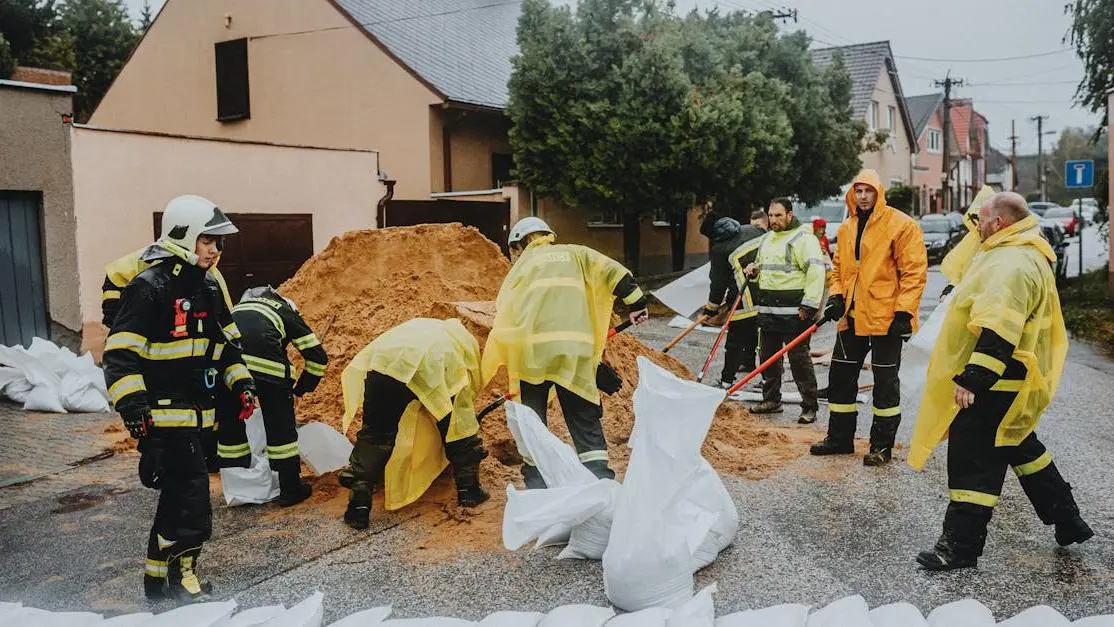
Many people think of emergency volunteers, crisis response, and disaster aid as things that only professionals handle, yet research shows community members are often first on the scene—making all the difference in urgent situations.
It’s normal to wonder if you’re needed or qualified.
We created this guide to help you connect your strengths to real needs by showing:
- How emergency volunteers, crisis response, and disaster aid truly work in your community
- What it takes for everyday people to step up—no experience required
- Concrete steps to safely join, contribute, and support recovery when it matters most
Understand What Emergency Volunteers Do in Crisis Response
This is where the magic begins—real people stepping up with fast action when it counts most. Emergency volunteers fill essential roles that bridge the gap between community need and official resources in crisis moments. You don’t need years of specialized training to matter. You just need the willingness to help. If you’ve ever wondered whether you could make a life-saving impact, this lays it all out for you.
Real-World Volunteer Roles That Get Results:
- Search and rescue teams boost survival odds, especially when local knowledge allows rapid response before professionals arrive.
- First aid volunteers provide fast initial care, often achieving scene access up to five minutes ahead of medical teams. That time can save lives.
- Logistics support—packing, delivering, or organizing supplies—keeps food, water, and medicine flowing during chaos.
- Community welfare checks uncover hidden needs, like isolated seniors needing evacuation or children needing safe shelter.
- Animal welfare and shelter volunteers support pets and livestock, offering relief to distressed families and reducing community strain.
Emergency volunteers succeed where they’re needed most: filling critical hands-on gaps, applying local knowledge, and extending the impact of trained responders. In many disasters, digital dispatch tools now mobilize volunteers in location-based groups, matching roles according to skills and proximity. That means less roadblock, more real help.
A few minutes matter. Systematic reviews and case studies show that whether you’re supporting a hospital under pressure, coordinating sandbag teams during a flood, or organizing mass care shelters, volunteers who are integrated and trained—even briefly—are the backbone of rapid response. The key: channel energy through solid dispatch, short training, and clear communications.
Volunteers bridge the gap, turning neighbors into lifesavers before official resources ever hit the ground.
Why Ordinary People Make Extraordinary Emergency Volunteers
Not sure if you have what it takes? Let’s break that misconception right here. Volunteering in emergencies isn’t about expert credentials or years on a rescue squad. Ordinary people create extraordinary impact every day—with the right setup and just a bit of preparation.
What Qualifies as “Qualified”?
Most helping in disasters doesn’t require high-level qualifications. With a short orientation or a digital briefing, you could check on neighbors, cover supply runs, or offer first aid. Research is clear: well-channeled community action boosts recovery, speeds help to where it’s desperately needed, and relieves strain on exhausted professionals.
Direct Experiences that Defy Doubt
- In major hospital crises, volunteers with zero medical background managed patient rounds, handled admissions, and freed up nurses, protecting both well-being and workflow.
- Platforms like Gathr allow people like you to register instantly, verify your skill level, and get matched to local needs—fast. That direct connection translates intent into measurable good.
Growth and Motivation
What’s in it for you? Volunteers demonstrate higher satisfaction, mental strength, and purpose. People stick around when roles are well-defined, feedback is valued, and there’s a pathway to increase skills: from spontaneous helping to more complex, hands-on tasks.
Every responder began as a first-time volunteer, not a pro. Those steps—taken together—build unstoppable local resilience.
How to Get Involved as an Emergency Volunteer and Find Your Role
Ready to act? Don’t just wait for a crisis to land at your doorstep. The fastest way to make an impact is to get involved ahead of time, which means knowing where you fit and how systems channel energy safely.
Practical Ways to Jump In:
- Join through community centers for established programs and local knowledge-sharing.
- Use peer-to-peer apps like Gathr to match your time, skills, or resources to on-the-ground requests in real-time. Gathr makes it easy for you to both send help and request it, streamlining everything from verification to follow-up.
- Register with local disaster response hubs to gain just-in-time training and fast dispatch when emergencies hit.
Immediate Actions That Matter
- Check on at-risk neighbors for real-time welfare and safety insights.
- Organize and distribute supplies to keep logistics moving.
- Provide emotional support through Psychological First Aid, which only takes a short online course to learn.
- Translate or support communications so every voice gets heard and every need understood.
You want clear steps? Walk this path:
- Find your hub or platform (Gathr or a trusted community resource).
- Register, share your strengths, and complete a short induction.
- Confirm availability and receive task alerts.
- Accept roles, document hours, and give feedback for improvement.
The bridge from wishful thinking to real action is short: sign up, complete a basic check or training, and get ready to step up when it counts.
What Are the Benefits of Volunteering in Disaster Aid—for Communities and for You?
Volunteering in disaster aid delivers more than immediate help. It’s about building individual confidence and community strength that lasts. The act of helping produces deep change at every level.
How It Transforms You
You gain practical skills—first aid, logistics, clear communication—while boosting your sense of meaning and resilience. Clinical studies show volunteers who step up in crises report increased satisfaction, a sense of connection, and real personal growth.
How It Lifts Communities
Volunteering delivers faster relief, tighter local networks, and better recovery outcomes. When diverse, local voices guide the effort, recovery happens smarter and with compassion. Including volunteers of all backgrounds—not just “the usual suspects”—propels cultural understanding and true resilience.
- Volunteers’ early arrival in emergencies means critical care and supplies reach people faster—sometimes by several minutes.
- Case reports confirm that morale, trust, and social capital skyrocket in communities with active, valued volunteers.
- Volunteers who train, stay engaged, and get recognized often move into new roles, even paid opportunities in emergency response, education, or care.
If you help once, you feel the energy. If you keep showing up, you build a safer world—starting right where you stand.
Overcoming Challenges: Ensuring Safety, Training, and Inclusivity in Emergency Volunteering
Crisis response can feel chaotic. Without a strong plan, even the best intentions can lead to confusion, risk, or missed opportunities. Safety, training, and inclusion form the backbone of any successful volunteer effort. Get these right and you’ll boost confidence, reliability, and positive outcomes for everyone.
Safety First—Always
- Agencies need clear management roles and easy-to-follow policies. That means everyone knows their task, their limit, and exactly who to ask for support.
- Insist on a basic induction. Even quick, standardized training makes you more effective and less likely to get hurt.
- Look for programs covering liability, insurance, and clear boundaries—protecting both you and those you help.
- Platforms like Gathr use digital verification, geofencing, and real-time reporting, giving volunteers safer assignment matching and clear ways to log activities or step back if needed.
Inclusion Drives Impact
Want results that last? Your team must reflect the community. Culturally aware volunteers, access to multiple languages, and respect for Indigenous experience create more effective disaster recovery. Teams that plan for diversity see higher trust and smarter solutions.
Safety is non-negotiable. Inclusion isn’t optional. Building them in protects everyone and multiplies real-world impact.
Technology’s Role: How Peer-to-Peer Apps Are Transforming Crisis Response
Technology is changing the way ordinary people answer the call in a crisis. Instead of waiting for a central dispatch, apps and platforms now connect volunteers to urgent needs in real-time, localizing response and slashing delays.
How Do Tech Tools Help?
- Instant alerts deliver requests right to you, based on your location and skill set.
- Geofencing makes sure only nearby and available volunteers are pinged—no wasted time or alert overload.
- Verification pathways keep the process swift but safe; you prove your skills, and the right tasks find you.
Gathr simplifies this journey. You can jump in, respond to a neighbor or a citywide crisis, and never get lost in bureaucracy. That’s how lives get saved faster, and recovery comes sooner.
Smarter, Stronger Responses
Technology means:
- Fast resource matching, cutting out red tape
- Flexible scaling—from a neighborhood check-in to mass distribution efforts
- Ongoing feedback loops for learning, improving, and growing resilience
Case studies show tech-powered volunteers show up sooner than official services in most incidents. That head start is game-changing.
Every minute matters. Technology in your pocket can make it count for the people who need you now.
How to Start: Preparing Yourself and Joining Disaster Aid Efforts
Ready to raise your hand? Preparation turns good intentions into real action. Don’t wait for disaster to get started. You’re most useful when you know your options, your boundaries, and your resources ahead of time.
Preparation Checklist
- Identify your skills—maybe it’s first aid, translation, logistics, or just reliable follow-through.
- Take a basic first aid or Psychological First Aid course (many are free or low cost).
- Register with trustworthy platforms (like Gathr) or your local hub. Complete any background checks or onboarding.
- Make a go-bag: photo ID, water, gloves, mask—whatever the situation might require.
- Learn how to check in, ask for help, and log your hours or feedback.
Questions to Ask Before You Deploy
- Do I know what’s expected of me?
- Who is supervising or supporting me?
- What insurance or legal protections exist?
- Is there a debrief or mental health support available after a shift?
Use guides like the Communities Responding to Disasters Handbook to boost both your skills and your confidence.
The best time to prepare was yesterday. The second-best time is right now.
Looking for a way to get involved in your community?
Check out Gathr — a new app that makes it easy to find volunteer opportunities anywhere.
Find Opportunities →Conclusion: Take the First Step in Becoming an Emergency Volunteer
You don’t need to be a professional to step up in a crisis. You need courage, training, and a clear way to match your energy to real needs. Every skill, every small action, makes your community more resilient.
Join a program. Download Gathr. Reach out. The next emergency won’t wait—your decision to get involved matters right now.
Share this, sign up, or offer support in your own backyard.
We will rise—one neighbor, one moment of help, one community at a time.