
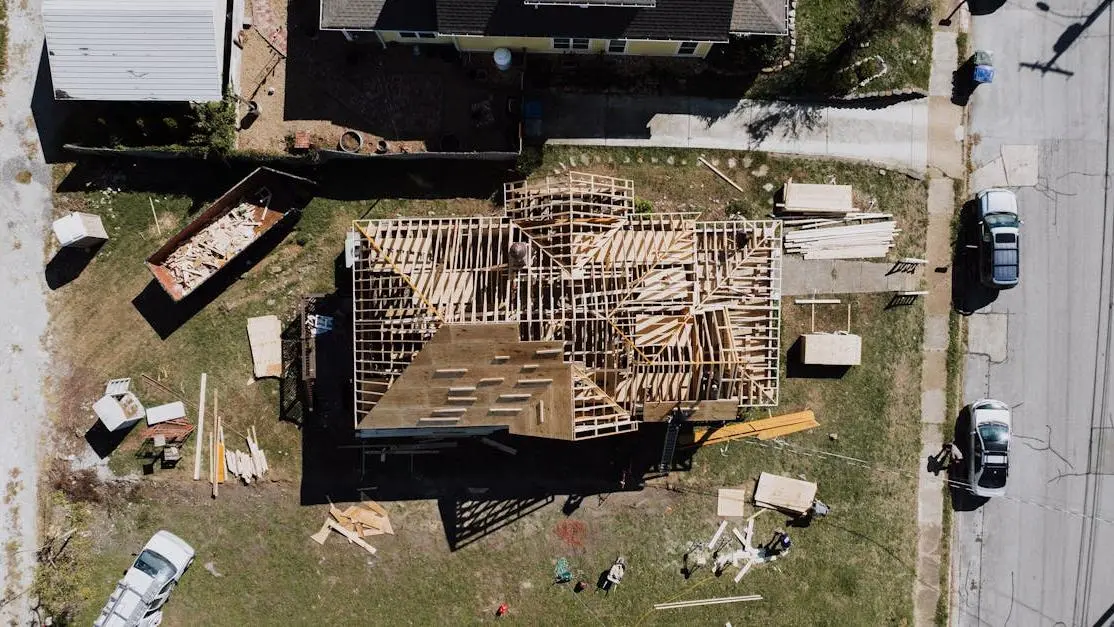
When disaster relief is needed and families face the overwhelming challenge to rebuild homes, peer-to-peer crisis aid can transform recovery into a community effort.
This article shares nine ways neighbors and volunteers work side-by-side to move from chaos to coordination—using direct action, technical guidance, and teamwork to help families return home faster and safer than ever before.
1. Debris Removal Task Forces That Open Access for Crews and Materials
If you want to truly rebuild fast, you need clear access right away. Roads blocked by fallen trees, flooded mud, or unstable rubble slow everything. Clearing debris is not just the first step. It’s the launchpad for every skilled trade, every delivery, every act of care.
Debris Coordination That Delivers Results:
- Clearing the way lets building supplies and inspection teams move where they’re needed—without waiting days or weeks.
- Debris opens up drainage routes and right-of-ways. This cuts extra flooding, standing water, and mold.
- Efficient sort-and-stack means city or recycler crews can sweep up in hours, not weeks.
Here’s what effective debris task forces accomplish:
- Assign clear roles—spotters, haulers, chainsaw operators—to avoid confusion and cut accident risk.
- Start with critical roads and homes for elderly, disabled, or single-parent households.
- Use staging points for debris piles and recycling, unlocking faster removal by city crews.
- Combine heavy lifting with check-ins. Psychosocial support for volunteers matters.
Reference points: UN OCHA highlights 0–72 hour rapid debris triage, PPE distribution, and mapping. Locally, color-coded tags or stakes help everyone sort what is hazardous, recyclable, or reusable. Task rotation keeps volunteers sharp.
Road access multiplies every other recovery action. Remove blockages and you speed up the entire rebuild.
With Gathr, you create micro-missions: tag debris work by skill (sawyer, flagging, logistics), coordinate per block, and update progress with live check-ins. This keeps everyone safe and projects moving.
2. Temporary-to-Permanent “Core Housing” That Scales in Weeks
Speedy rebuilding means safe shelter—fast. Temporary-to-permanent “core housing” puts families under a roof while giving them a pathway to long-term recovery. You’re building momentum, not just structures.
A core housing unit is built fast—with kitchen, bath, safe frame—then expanded later as money and time allow. Families move in within months instead of waiting years. The RAPIDO model proved this in the Lower Rio Grande Valley: intake in just 20–30 days, move-in within 120. Intake Navigators walk each step with families, making the process clear and personalized.
Why It Works:
- Site prep and factory work happen at the same time. This overlaps labor, avoids bottlenecks, and shaves weeks off the calendar.
- Licensed trades speed core installs. Supervised volunteers make finishing touches, painting, and landscaping possible.
- Pre-approved permitting sets a single, simple standard. It’s not just faster—it’s safer.
Temporary-to-permanent models beat trailers for dignity. Core designs let families stay in their neighborhood near work and school. As budgets grow, homes grow. No forced moves.
- Local volunteers prep slabs, hang drywall, support family design choices. It’s a real way to meet need with muscle—and emotional support.
- Gathr matches trades and community with in-app scheduling. You organize core installs, paint teams, or yard days all in one place.
Fast, flexible, and family-centered. That’s core housing done right.
3. Modular and Panelized Offsite Construction to Compress Schedules
You want speed and quality? Offsite construction—modular units and panelized wall systems—cuts rebuild timelines by as much as 50 percent, with up to 20 percent lower cost. That’s proof from the International Code Council.
Factory-built pieces mean fewer weather delays, fewer bad surprises. Volumetric modules ship in almost-finished shape, great for rows of homes. Panelized kits arrive flat, making tight-site builds or quick assembly easy. Both approaches let ground prep and building work run at the same time.
When to Choose Each System:
- Volumetric modular for dense, multi-unit blocks.
- Panelized kits where cranes can’t reach or community-led builds shine.
Smart scheduling: While crews pour a slab, the walls and roofs get built elsewhere. When you’re ready, volunteers can jump in on supervised assembly, exterior sheathing, or sealing up the shell for weather tightness.
State-level inspections often mean less local code delay. Pick designs that are wind and seismic resistant up front. Avoid the rework.
What’s the move? Pre-qualify suppliers and lock down logistics for fast delivery. Keep critical materials close so nothing stops you mid-push.
4. Technical Assistance at Scale So Families Rebuild Safer, Not Just Faster
Most families scrape together repairs with what they have. If they start right, their homes stay safe. If not, repairs fail later.
Providing field-ready technical help is urgent. Owner-driven recovery means families rebuild in stages; our job is to make every stage safer.
Technical Support That Works:
- Simple, printable checklists at supply and relief stations help. On day two, not week two.
- Sketched details show tie-downs, roof bracing, moisture control—fewer surprises, better survival.
- Mass communication—radio, SMS, posters—spreads best practices fast.
Best fit? Rural families, self-builders, and anyone without easy access to engineers. You can set up neighbor tool libraries or volunteer coaching meet-ups. Even one right retrofit detail saves lives.
- Train-the-trainer sessions power up local leaders.
- Use technical coaching to maximize the impact of every donated tool or hour.
- Gathr lists nearby mentors, microgrants, and tool-share options so you can request or deliver help right when it’s needed.
A good retrofit may take an extra hour. It could save the whole home next time.
5. Direct Housing and Rapid Deployment Systems for the Last Resort Gap
Sometimes, every option is exhausted. No more rentals. Hotels are full. This is when direct emergency housing bridges the gap—bringing families stability so they can regroup.
You need rapid deployment systems that balance speed, comfort, and community fit. Panelized kits, modular pods, flexible shelter systems—these can bridge temporary and permanent without repeated dislocation.
- Pre-positioned inventories and surge contracts with vendors mean setups go quickly.
- Shelter pods or kits can be made accessible and sited near schools or workplaces to avoid uprooting families.
- Volunteers make this work by assembling kits, adding safety ramps, prepping units, and creating kid-friendly safe zones.
Plan for utility hookups—water, power, sanitation—before arrival. Don’t wait for a family to ask.
Keep this last-resort option as dignified as possible. Lean on simple layout, social fit, and local volunteer support so it feels more like home.
Every delay in direct housing is a day a family struggles. Deploy fast, with empathy, and the road home gets a lot shorter.
6. Cash-for-Work Programs That Mobilize Local Labor at Scale
When you want disaster relief that moves the needle for everyone—residents and recovery alike—cash-for-work programs do double duty. They put local hands on urgent jobs. They put money back in pockets. Community spirit and real results in days, not months.
How Cash-for-Work Kicks Recovery Into High Gear:
- Locals own the process. They earn fair wages to restore public spaces, prep build sites, clear debris, or tarp damaged roofs. That means skills stay in the community.
- Every shift solves a concrete problem: cleaned streets, safe walkways, and quicker site prep.
- Blending volunteers and paid locals gets you trust, accountability, and quality—not just headcount.
Tracking progress is straightforward. Daily logs, photos, and community feedback prevent waste. Wise programs use fair pay and protect everyone, especially women or vulnerable groups, with clear task lists and safety gear.
Fast recovery isn’t about outside experts swooping in. It’s about giving your neighbors a reason and a paycheck to get homes, jobs, and hope back on track.
Measure what matters. How many homes made safe? How many roads cleared? Show it. Cash-for-work delivers proof—fast.
7. Safer Retrofit and Core House Programs That Leave a Legacy
Repairing a home often matters more than building new. You can cut future risk, lower aid costs, and restore dignity with simple, targeted upgrades. Get families back safely. Lower their chance of being displaced next time.
Retrofit Approaches That Work for Real Families:
- Pre-built detail sheets for hurricane straps, roof tie-downs, water control—simple, cost-effective, actionable.
- Volunteer support focuses on what moves the needle: anchorage, wind bracing, moisture and mold fixes.
One smart move: pair grants with rehab kits. Let homeowners expand or customize safely. Technical approval and brief training make outcomes stick.
- Map vulnerable homes for quick prioritization.
- Document before and after to show donors and neighbors the difference.
A safer retrofit means families sleep under their own roof sooner. It means rebuilding doesn’t have to repeat the cycle of risk.
8. Builder Capacity and Supply Chain Scaling That Meets the Real Demand
Speed alone doesn’t solve backlog if crews and materials run dry. Demand always outpaces skilled labor after a crisis. You need systems that stretch local know-how and bridge the gaps.
How to Unleash Capacity and Meet Real Needs:
- Break down jobs so skilled and new helpers work side-by-side. More tasks get done. Skills transfer in real time.
- Keep a running supply map—fasteners, roof panels, doors—that you update daily. No waiting for missing parts.
- Maintain early deals with modular vendors to lock in standards and deliveries. Avoid last minute chaos.
Gathr helps map both needs and volunteers. You can see who’s available, which home is next, and where bottlenecks exist, all in one view. Yes, that means less time waiting. More time actually building.
- Bridge funds keep local contractors on jobs between big grants or slow insurance payments.
- Staging areas and local drop points make material delivery less chaotic.
Get the right crew, with the right materials, at the right place and time. That’s how homes get done, block by block.
9. Peer-to-Peer Volunteer Coordination That Converts Compassion Into Construction
Volunteers are your secret engine for rapid home rebuilding. But raw energy only gets you so far. With disciplined, peer-to-peer coordination, you unleash a wave of impact that is unstoppable.
Break tasks into micro-missions. Tarp a roof. Haul drywall. Set up a child-safe zone. Each mission fits someone’s schedule and skills. No wasted effort. High morale.
Create neighborhood tool hubs. Start each day with a safety briefing, clear plans, and team rotations. Match new volunteers with veterans for instant skills transfer.
- Daily check-ins, live logs, and checklist handoffs let weekday and weekend crews flow together.
- Use Gathr to see who needs help, offer your time, post supply needs, and track every completed task.
Integration makes you unstoppable: pair peer teams with technical trainers, supply chain logistics, and city approvals. Suddenly, everyone is moving in the same direction.
Organization turns compassion into homes, not just hope.
Field Guide for Fast, Safe Home Rebuilds
Here’s what you need to make your impact real, whether you’re a rookie or a regular.
Quick Checklist to Start Strong:
- Register with Gathr or your city’s network.
- Pack your own PPE: helmet, safety glasses, work gloves, boots.
- Keep water, snacks, meds, ID—don’t slow down from dehydration or fatigue.
- Learn the daily workflow: clear, gut, dry, repair.
On-Site Rules for Safety and Speed:
- Daily briefings on hazards.
- Snap before-and-after photos.
- Sort debris into separate piles (green, recyclable, hazardous).
- Work as a team—never alone.
Choosing Build Methods for Your Situation:
- Use panelized or modular systems for group builds.
- Pre-check utility hookups for quick direct housing deployments.
- Small accessory units can house families or volunteers and later become new rentals or offices.
Working With Technical Assistants:
- Pick up printed checklists or seek a mentor at your local hub.
- Combine cash-for-work with technical fixers for best results.
- Track every fix on a digital or paper form.
FAQs
Need a fast answer?
- Homes with light damage are made safe in days with the right team and tasks.
- You don’t need to be a pro—every hand counts.
- Keep safety the top priority. Brief, buddy up, ladder up your skills.
Looking for a way to get involved in your community?
Check out Gathr — a new app that makes it easy to find volunteer opportunities anywhere.
Find Opportunities →Conclusion
Speed and empathy drive the best disaster relief. You open access, help families reclaim roofs, and stack results fast. Bring your energy to Gathr. Use our tools to match your help to real needs, see progress live, and turn local action into lasting recovery. Why wait for permission? Join a mission, move a family home, and see the power of peer coordination get results—right now.