
Volunteer opportunities for seniors are changing, with more ways than ever to connect directly and make a difference person-to-person.
Whether you want to offer help, request support, or join forces with neighbors for impactful projects, there’s a fit for every schedule, comfort level, and skill set.
We’ve gathered 15 meaningful options that prioritize close-knit community, flexibility, and practical impact—so you can match your wisdom to real needs nearby.
1. Intergenerational Online Tutoring with Learn To Be
Roll up your sleeves, open your laptop, and start making a difference from the comfort of home. Intergenerational tutoring programs like Learn To Be let you meet K-12 students one-on-one every week—offering what so many classrooms lack: wisdom, patience, and genuine support.
Why Intergenerational Tutoring Works
- Students get free, reliable academic help from someone who actually listens and explains, not just rushes through exercises.
- You, as a senior, use decades of practical insights to boost confidence, not just grades. Students feel heard; you feel valued.
- Programs like Learn To Be run virtually, so no commute or physical limitations block your impact.
You tutor with tools you can learn—Zoom, Google Meet, screen sharing, digital whiteboards. Programs help guide your sessions, monitor student progress, and provide structured support.
Ideal for Flexible, Home-Based Impact
Prefer to keep it low-commitment? Most volunteer tutors sign on for 1-2 hours each week with a time that works for you. No commute, no fuss—just meaningful, regular connections.
Getting Oriented Quickly
You start in a quiet space with your stories, practical examples, or creative tricks to make topics relatable. Even if you’re new to video calls, a short practice session or cue card makes things easy.
Many seniors find this gives them a sense of real purpose, with clear progress markers and flexible schedules.
2. AmeriCorps Seniors Foster Grandparent Program
Teaching, guiding, mentoring—this is what so many seniors do instinctively. The AmeriCorps Seniors Foster Grandparent Program matches you with students who need extra support in classrooms, hospitals, or community centers.
Consistency and Connection
- You work 15-40 hours per week, getting training, support, and sometimes even modest stipends or reimbursements.
- Educators and staff want your experience. They help you build bonds, track academic progress, and support children who struggle with reading, math, or making friends.
- Typical schedules are regular weekdays, making it the perfect volunteer fit if you thrive on routine and person-to-person engagement.
Who Shines Here
Seniors 55+ who want face-to-face connection and the structure of a national program fit best. You receive background checks, onboarding, and always have a coordinator to call if you need help.
Foster Grandparent roles have proven social and academic benefits, especially when you commit regularly and receive training.
3. Library Greeters, ESL Conversation Partners, and Genealogy Helpers
Local libraries don’t just run on books; they run on energy from caring people. Seniors excel in these spaces, with roles that match your strengths—organization, life stories, and a willingness to help.
Diverse Volunteer Roles
- Welcome guests and support book events.
- Run or join English conversation circles with new arrivals—seeing learners go from shy greetings to expressive, confident conversations.
- Help digitize historical records or share genealogy knowledge with curious patrons.
Flexibility is the keyword. You can pick short shifts, sit or stand, jump into special events, or help grade schoolers learn about their family tree.
Great for People-People and Quiet Contributors
Former teachers, multilingual speakers, or anyone who enjoys community history finds these tasks valuable. They keep your brain active, your network growing, and your impact visible—just count the smiles at the library desk.
4. National Park Service Volunteers-In-Parks
Outdoor service brings a different spark. With National Park Service Volunteers-In-Parks, you do more than trail work. There are visitor greeter roles, nature walk leaders, seasonal projects, or even artist-in-residence slots for creative souls.
Pick Your Pace and Activity
Volunteers select what fits—nature interpretation, litter patrol, accessible trail maintenance, or desk-based hospitality. There’s always training and safety drills, and programs adjust to your abilities.
Nature-Driven Benefits
Brisk walks, fresh air, team camaraderie. Many volunteers say their energy, mobility, and sense of belonging improve rapidly.
Outdoor volunteering is proven to increase physical health and deepen community ties.
5. Community Gardens and Urban Greening
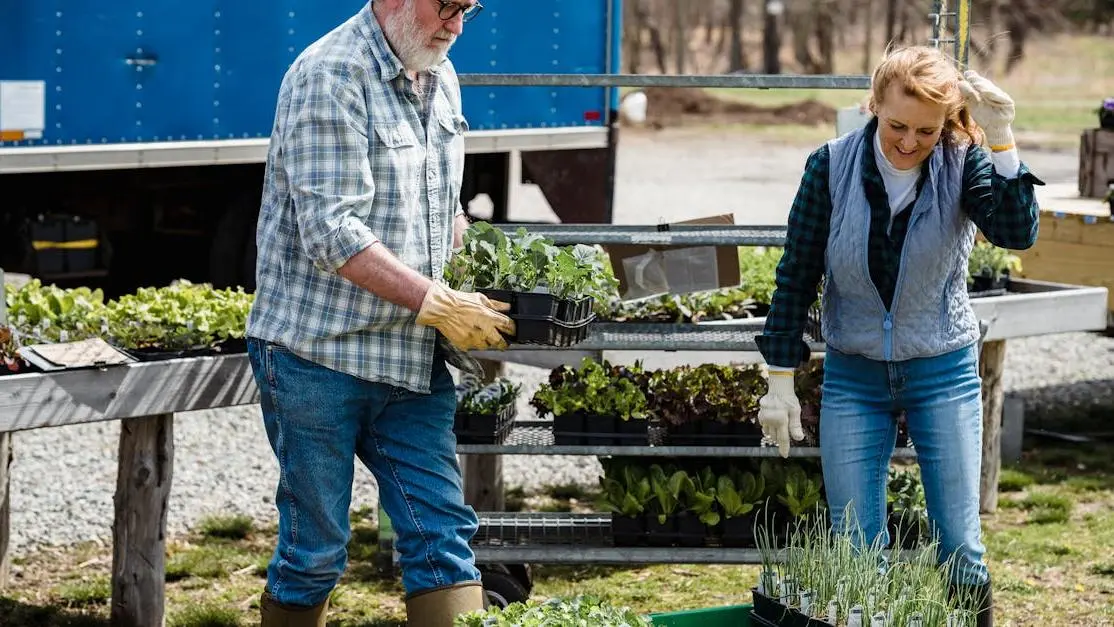
It’s not just about plants. Community gardens need seniors to sort seeds, supervise beds, harvest produce, and share skills with young helpers.
Urban Greening Helps Everyone
- Raised beds for easier access, so mobility is not a barrier.
- Short work parties or recurring shifts; you control your pace.
- Harvests go to food banks and local pantries. Your effort fills real plates.
You’ll see your progress growing in front of you, at every stage of the season.
6. Meals on Wheels Delivery and Friendly Visits
Delivering meals is direct impact. It answers immediate needs—nutrition and contact for seniors who can’t shop or cook. Friendly visits or quick phone calls brighten their day and keep them safer.
Simple Logistics, Lasting Results
- You travel short routes, checking on recipients and dropping off meals.
- Most routes take 1–2 hours. Bring a friend or partner if you want.
- Phone reassurance programs let you help if you’d rather stay in.
Every delivery or check-in reduces isolation, supports independent living, and even cuts the risk of emergency room visits.
7. Hospice Patient Companion and Family Support
Providing presence in tough moments makes a huge difference. Hospice volunteers do more than sit with patients—they soften loneliness, offer caregiver breaks, or help with errands.
Rigorous Support for an Emotional Job
You’ll go through training, get guidance from staff, and always have a coordinator on call. Companionship often takes the form of social visits, light chores, or helping families recharge.
Seniors who take on this role report immense reward. Even a weekly visit can bring relief, gratitude, and perspective.
8. Habitat for Humanity Builds and Home Preservation
Sometimes, real impact is physical. When you work with Habitat for Humanity, you build, repair, or upgrade homes. You work outdoors, tackling project lists from painting and weatherizing to handing out tools.
Team-Based, Task-Focused Service
There’s safety training, accessible jobs for different energy levels, and a big emphasis on results. Painting a house with a volunteer team or upgrading a ramp lets you see change happen—and share the win.
From occasional build days to ongoing repair teams, this path is a top pick for those who crave camaraderie and hands-on service.
Home Preservation programs let you pick your pace and focus on tasks that match your comfort level. Results are immediate, measurable, and always valued.
9. Animal Shelter Fostering and Care
Animals need people who care, and you bring experience, stability, and time. Local shelters rely on seniors for feeding, walking, socializing, and especially short-term fostering. Even a few weeks can change an animal’s future.
Fostering and In-Shelter Roles
- Foster an animal recovering from illness, bouncing back from trauma, or waiting for their forever home.
- Help at the shelter—run laundry, support adoptions, or take dogs for walks.
- Receive all supplies and training, so your focus stays on care, not expenses.
If you want companionship without a lifetime commitment, fostering might be your perfect setup.
Who Excels Here
Seniors with steady routines, patience, and gentle hands create calm, hopeful spaces for pets and people alike.
10. Museum Docent and Arts Education Volunteer
You know that conversation, storytelling, and discovery fire our brains up. Art museums and history galleries want docents and education volunteers to give tours, share insights, and spark curiosity.
Engaging Curiosity
- Lead group tours, interpret objects, or welcome visitors at the front desk.
- Join regular training classes—boosting your own knowledge while sharing it with others.
- Pick between public-facing roles or quieter behind-the-scenes options.
Curious retirees and lifelong learners thrive here. Every session keeps your mind sharp and connects you with fellow enthusiasts.
Sharing real stories and your own sense of wonder helps others see the world with fresh eyes.
11. Veterans Transportation and Support
You know how much steady, reliable support matters for veterans. Volunteer driver programs and clinic helper roles put you in the front seat—literally helping neighbors keep critical appointments.
Ways to Drive Impact
- Drive veterans to and from medical visits with clear routes and advanced scheduling.
- Assist clinics with wayfinding, signing people in, and offering friendly company.
- Get training, support for safe transport, and sometimes mileage reimbursement.
The result: Lower missed appointment rates, better health, and stronger bonds between generations.
12. Thrift Shop Roles That Fund Community Services
Sorting, labeling, and organizing may sound simple, but they generate vital funding for local programs. Thrift stores need your hands-on support to keep their doors open and shelves stocked.
Build Routine and Community
- You sort donations, merchandise books, or help organize vintage treasures.
- Enjoy flexible shifts, low barriers to entry, and opportunities for teamwork or leadership.
Seniors seeking routine, social interaction, or a place to share organizational gifts fit right in.
13. Skills-Based Volunteering for Nonprofits
Retirement didn’t put your skills on the shelf. Nonprofits hunger for experienced accountants, marketers, project managers, and tech-savvy minds—especially for short, high-impact projects.
Strategic, Flexible Projects
- Refresh branding, set up bookkeeping, design websites, or manage major events.
- Most roles mix remote work, clear deadlines, and the chance to mentor young staff.
When proven skills meet real need, you maximize your impact in a fraction of the time.
14. Virtual Volunteering Microtasks and Accessibility Support
Sometimes you want instant impact in short bursts. Micro-volunteering fits right into your day. Tackle digitization, support accessibility, or answer reference questions—all from home.
Bite-Sized, Remote Options
- Review scanned records, transcribe pages for history projects, or describe images for accessibility.
- Choose microtasks to fill gaps in your schedule with no long-term commitment.
You set your time, your pace, your comfort zone. Perfect for those balancing health, mobility, or caregiving duties.
15. Peer-to-Peer Micro Volunteering with Gathr
You want the most direct, local impact? Gathr puts peer-to-peer service in your pocket. You can offer help, request support, or join forces with others for bigger projects—always on your terms.
How Gathr Makes Volunteering Personal
- Offer a one-hour favor or set up recurring roles—a grocery run, companionship call, light yardwork, or tech tutoring.
- Filter by distance, time, or impact area so every match suits your energy and comfort.
- Request help for yourself if needed, keeping the exchange two-way and respectful.
Gathr makes it simple to plug into your community, build trusted relationships, and create change right where you live. The best part? You only accept what fits your schedule and interests.
Peer-to-peer volunteering builds real relationships, strengthens local safety nets, and gives everyone a chance to give and receive.
How to Choose the Right Fit and Get Started Safely
Jumping in is easier when you know where to start and how to protect your boundaries.
Questions to Nail Down Your Best Fit
- What do you enjoy: hands-on work, listening and mentoring, outdoor action, or quick microtasks?
- How much energy do you have each week?
- Can you drive or do you prefer virtual opportunities?
- Are you emotionally ready for certain roles—like hospice or crisis support?
Pick a service option that meets your comfort, commitment, and interest. Start small if you’re unsure.
Safety, Preparation, and Momentum
- Meet new contacts in public spaces first.
- Stick with reputable apps or organizations that provide screening and training.
- Track your hours and celebrate each win.
Looking for a way to get involved in your community?
Check out Gathr — a new app that makes it easy to find volunteer opportunities anywhere.
Find Opportunities →Conclusion
You bring experience, perspective, and real energy to every opportunity you choose. Start small, set a schedule you’ll enjoy, and take advantage of options like Gathr that keep volunteering local, personal, and rewarding. Your impact starts with a single hour—and grows stronger every time you step up.