
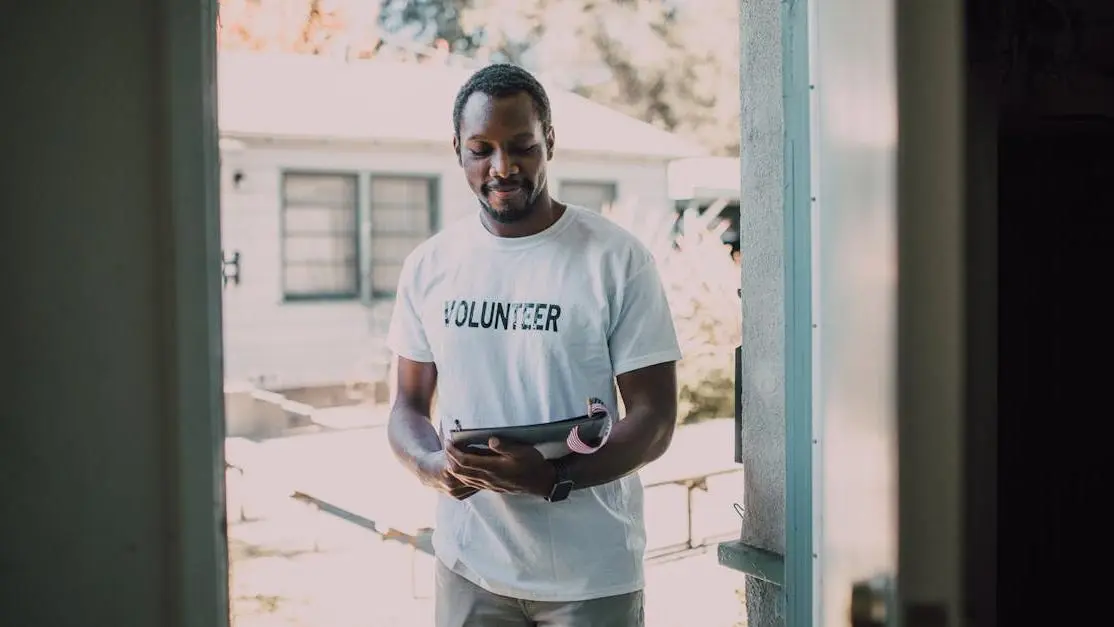
Volunteer opportunities psychology seekers want go beyond fundraising and generic charity work; we’re here to connect you with hands-on, peer-to-peer options that drive real change.
This article highlights 13 ways you can give or receive support, build local networks, and turn compassion into measurable impact—whether through youth mentoring, climate resilience circles, or global clinical placements.
Each path reflects the power of community action and direct connection.
1. Gathr Peer Support Pods and Mutual Aid for Mental Wellbeing
We built Gathr to help you connect quickly, start supporting people around you, and make kindness something you act on—not just wish for. With Gathr Peer Support Pods, you can join or launch local circles focused on listening, stress relief, burnout prevention, and more. These microvolunteering acts are powerful. When you check in with neighbors or host ongoing meetups, you build real trust and resilience block by block.
Immediate Results With Gathr Pods:
- Feel less alone: Peer groups create tangible bonds and smash stigma around mental health.
- Take action fast: Post a help offer, join a Pod, or schedule a check-in in less than five minutes.
- Stay consistent: Regular, bite-size acts of service lead to higher wellbeing and volunteer retention.
- Increase impact: Track attendance, referrals, and self-reported connectedness to see the progress you spark.
We keep boundaries clear. Use active listening, stick to support and referrals, avoid diagnosing, and agree on ground rules. Hybrid (online and in-person) setups, shared confidentiality, and multi-language options make Pods open to all. Our tools empower you to reflect, prevent burnout, and keep growing. The key: show up consistently with strong intent. That’s the Gathr model.
Peer-to-peer support isn’t a side note—it’s the fastest, most sustainable path to stronger communities.
2. YouthLine Peer Crisis Intervention Specialists
This opportunity lets youth ages 15–24 step into structured, high-impact peer support, answering phones, texts, and chats for people their age. As a volunteer, you receive deep training: 65+ hours upfront, then regular shadowing. It’s more than a helpline—it’s a launchpad for future leaders in psychology and community work, with a focus on Oregon and Hawai‘i regions.
Who Will Get the Most From YouthLine:
- Teens and young adults passionate about real-world experience in crisis response and mental health.
- People who want to gain communication and empathy skills, guided by pro-level supervision.
- Anyone looking for consistent shifts (3.5 hours weekly) and one-year minimum commitments to maximize growth.
This structure supports your mental health. Each shift ends with a debrief. Supervisors stay close to help prevent overwhelm. High training means high confidence, and the evidence backs it up: youth-led crisis lines increase peer help seeking and reduce stigma in schools and neighborhoods.
3. Kids Help Phone Crisis Responders
If you’re an adult in Canada who wants rigorously structured, meaningful remote volunteering, Kids Help Phone delivers. Their all-digital, bilingual text line is open 24/7. You commit four hours a week for a year, after passing a background check and 36 hours of layered training. Flexibility meets professionalism here.
Why Responders Succeed:
- National reach lets you impact texters across Canada.
- Secure, supervised tech streamlines confidentiality and safety.
- Priority for those fluent in English and French, or who identify with First Nations, Métis, Inuit, or Black communities.
Your work co-creates safety plans, coaches coping strategies, and taps into an urgent need for overnight support. Volunteers receive instant in-shift backup, reducing burnout. Ongoing organizational support keeps your head—and your heart—in the game.
4. Youth Mental Health Corps Near-Peer Advisors
Ready to get boots-on-the-ground in US schools and communities? The Youth Mental Health Corps puts you to work as a trained near-peer advisor. They prioritize youth in areas with little mental health support. It’s a true systems-level push.
- Great for college students, recent grads, or adults who want clear, supervised impact.
- Get trained in early intervention, prevention, and navigation—not direct therapy.
- Partner with schools and agencies to identify teens in need and speed up access to services.
Early data shows reduced waitlists and increased identification of at-risk youth. This is a capacity-building model with real stakes. The structure borrows from AmeriCorps, with strong supervision and skills tracking. If you want to see wide-scale change and measure it, this delivers.
5. Youth Mental Health First Aid Community Builders
Community-driven action saves lives—if you know what to watch for. With Youth Mental Health First Aid, adults get certified to spot mental health and substance challenges in youth ages 12–18. The training is widely recognized for boosting confidence and quick response.
Top Ways Community Builders Make Change:
- Host educational parent nights or school sessions.
- Lead resource navigation tables armed with local referral maps.
- Train other caregivers or coaches for cascading community impact.
You can start with one course and scale up to group trainings. These methods, supported by research, are proven to shift confidence and early action in communities where most parents don’t know where to turn.
6. Clubhouse International Member Employment and Recovery Support
If you believe in purpose, inclusion, and dignity for adults facing mental health challenges, Clubhouse International’s model is worth your time. Volunteers support work-ordered day programs, employment readiness, peer mentoring, and daily operations—all in partnership, not as “helpers” overseeing “clients”.
- Best for those who value recovery through real-world work, structure, and belonging.
- Tasks range from co-facilitating groups to supporting transitional jobs and mentoring.
This model has global reach and strong data: improved social function, higher employment, fewer hospitalizations, and a sense of real community. You’ll see direct results as participants move back into education or employment.
7. Fraser Health Therapeutic Volunteer Program for Recovery
Targeted for those in British Columbia, this program links volunteering directly to therapeutic goals set with case managers or clinicians. The focus is on people in recovery from mental illness or substance use who are working toward education or work readiness.
- Roles align with each volunteer’s recovery stage, skills, and goals.
- Tasks build confidence, social skills, and work readiness—think meaningful projects, not busywork.
Clinical teams monitor fit and progress, making this a safe, supported step toward independent employment. Results include increased self-efficacy, reduced symptoms, and successful transitions to paid work.
8. Health Volunteers Overseas Mental Health Project in Bhutan
If you’ve got significant experience and want to build lasting global change, consider this educational project in Bhutan’s national referral hospital. Volunteers focus on training, mentoring, and boosting local workforce skills—not substituting for them.
- Ideal for clinical educators or experienced professionals committed to sustainable, system-building work.
- Expect a detailed, multi-month prep process and a role focused on teaching, not just clinical service.
HVO’s emphasis on building capacity, not dependency, sets the gold standard for ethical international volunteering in psychology. Your contribution lives on in the skills of the local health team long after you leave.
9. Clinical Psychology Volunteer Programme in Ghana by Vocational Impact
If you’re serious about field experience, this structured placement in Cape Coast delivers. Volunteers work in psychiatric hospital settings and join community outreach. Shadow seasoned mental health professionals, assist with therapy and medication routines, and step up for school-based education.
Ideal Match and Results:
- Psychology students or early professionals building supervised hours and observation skills.
- Immediate exposure to hospital workflows and real barriers in low-resource systems.
- Results: Letters of supervision, community mental health education delivered, plus a global perspective most textbooks can’t offer.
Confirm clear local supervision and scope before starting. Reflective journaling and regular debriefs boost learning and ethical standards—don’t skip these.
10. Psychology and Mental Health Programme in South Africa by Vocational Impact
This Johannesburg-based program works with a leader in child abuse recovery. Volunteers support with forensic assessments, court prep for families, and vital awareness work on gender-based violence and teen pregnancy.
- Best for students and recent grads in psychology or social work ready to explore trauma and child protection firsthand.
- Tasks include group activities, advocacy, and trauma-informed support—always under supervision.
Here, every project builds technical and emotional readiness. Pre-placement training, on-the-job mentorship, and strong safety protocols keep you focused and protected.
Trauma support means real responsibility: programs here shape both your skills and your empathy.
11. ClinicalPlacementGH Clinical Psychology in Ghana
Want versatile, hands-on involvement with full guidance? ClinicalPlacementGH offers clinical and community placements in Cape Coast. Support individual and group therapies, assist with assessments, and help lead psychoeducational events at schools.
Why This Path Stands Out:
- Undergrads and grads get expanding tasks—from observation to active note-taking and workshop assistance.
- Licensed psychologist supervisors provide regular feedback with clear learning goals.
You work alongside local staff, always within scope. Verify supervision schedules and ask for a learning objectives plan upfront.
12. VolunteerWorld Mental Health and Psychology Internship in Ghana
VolunteerWorld curates placements in Kumasi with options for various schedules and experience levels. Compare hosts by ratings, flexibility, and supervision support. Each program covers hospital experience paired with community outreach.
- Must-haves: Confirm your daily tasks, included support, and supervision details with each partner.
- Aggregate reviews (4.39/5) help—read deeper for supervision and learning outcome specifics.
These listings jumpstart your due diligence. Choose placements that report measurable local benefits and provide references from past volunteers.
13. Good Grief Network Climate Distress Peer Support
Climate anxiety is real, but you can help people move from distress to action. Good Grief Network’s peer groups and facilitator training help process eco-anxiety and create hope-driven change. Their 10 Steps to Resilience framework is at the heart of every group.
- Perfect for psychology-minded volunteers hungry for climate impact and emotional resilience strategies.
- Facilitate or join group sessions online or in person; host climate cafés or organize action-focused community gatherings.
Facilitator training equips you with grounding techniques, action planning, and referral skills for deeper support. Youth-focused groups see lower isolation, more activism, and new waves of hope.
How to Choose and Thrive in Volunteer Opportunities Psychology
Every volunteer journey in psychology needs the right fit, solid training, and ethical guardrails. This is how you pick and succeed.
Choosing Wisely:
- Match responsibility to your readiness: listening and peer pods, supervised observation, or advanced teaching.
- Confirm commitments: required age, availability, background checks, and supervision levels.
Act Ethically:
- Only provide support, navigation, and advocacy—leave the clinical work to licensed pros.
- Look for programs with boundaries, reflection time, and real debriefs.
Scale Impact with Smart Habits:
- Build up from local-based support to larger programs.
- Use tools like Gathr posts or Pods to create momentum and share the load.
Small, consistent peer actions multiply into bigger wellbeing and resilience gains—track your impact as you go.
Red Flags to Avoid:
- Roles with vague supervision or no clear local benefit.
- Placements that substitute for, not build up, local teams.
If you start local, build skills, and seek training, your impact stacks up fast.
FAQs About Volunteering in Psychology
- Can you volunteer without a degree? Yes. Most peer support and crisis programs value solid training and supervision over degrees. Gathr and similar platforms make entry easy.
- How do I know if a program is ethical? Look for transparent supervision, structured training, boundary-setting, and real outcome data. Trust programs that co-create impact rather than replace local talent.
- Are small actions enough? Yes. Consistent small service multiplies. Local pods or brief check-ins can lead to measurable drops in isolation and spikes in community help-seeking.
Looking for a way to get involved in your community?
Check out Gathr — a new app that makes it easy to find volunteer opportunities anywhere.
Find Opportunities →Conclusion
Direct, peer-powered actions get results. Whether you join a Gathr Peer Support Pod, respond to crisis calls, or support recovery programs abroad, it’s about consistent, bite-size moves for big change. Check your fit, get the right training, and watch your impact ripple outward. Gathr stands ready to help you start and sustain your psychology volunteering journey.