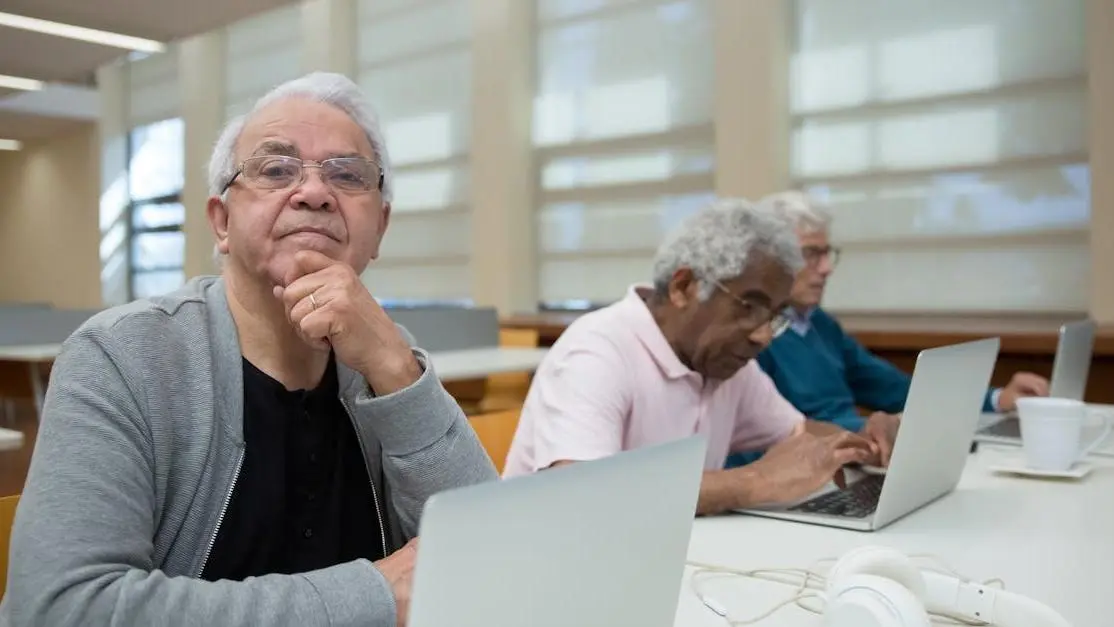
Elderly volunteer opportunities are more accessible and meaningful than most people realize.
If you want to make a difference, there are dozens of ways to help neighbors, support local causes, and create lasting connections without going through a big nonprofit.
We’ve gathered direct, peer-to-peer roles that match your energy, schedule, and values so you can have real impact right where you live.
1. AmeriCorps Seniors RSVP Program
Looking for a proven way to create impact with people your age? RSVP puts real choices in your hands, matching your interests, schedule, and energy with local needs. It’s a flexible front door to service for those 55+.
Why RSVP stands out for your goals:
- Choose from dozens of roles: meal delivery, local disaster response, call centers for scam victims, helping with poetry groups, or workforce mentoring.
- Evidence-backed improvement: After a year, older RSVP volunteers report stronger well-being and less isolation. Those are hard numbers, not just feel-good stories.
- RSVP options fit your life: Few hours or many, sitting or standing, you decide. Minimal onboarding and orientation, so you waste no time.
- Safe, supported, and recognized: Mileage reimbursements and insurance reduce friction, so you can help without worrying.
Want variety, structure, and a direct match to your skills? RSVP moves volunteering from “someday” to “right now.”
People who tap RSVP find themselves tackling everything from food insecurity to disaster prep. It’s perfect for anyone who craves options and low-barrier entry.
2. AmeriCorps Seniors Foster Grandparent Program
If you want to become the steady presence a child counts on, Foster Grandparent delivers. Volunteers age 55+ join classrooms, hospitals, and youth programs to help kids build skills and confidence.
You get:
- Consistent, meaningful relationships: Week after week, these roles let you watch a student grow.
- Stipends and supports: If you qualify, programs offer a non-taxable hourly stipend, training, and thoughtful supervision.
- Measurable results: More than 35,000 volunteers see real academic and emotional growth in their mentees.
Best fit: People who want structure, purpose, and depth with kids who need it most. Former teachers, patient listeners, and those craving routine flourish here.
You don’t need classroom experience. Enthusiasm and commitment matter more. Volunteers finish most days knowing they made a difference for a real child, not an abstract cause.
3. AmeriCorps Seniors Senior Companion Program
Looking for high-impact, one-on-one connections? Senior Companion lets you support older adults to remain independent and less isolated.
Here’s how Senior Companion empowers you:
- Real companionship: Visits, walks, light errands. You give people reasons to smile and stay healthy at home.
- Respite for caregivers: Your presence is a lifeline for families juggling work, care, and stress.
- Training that builds safety and skill: Guidance on dementia, daily routines, and privacy so you help with confidence.
Those who choose this often love seeing tangible results in one person’s life. It’s ideal for big hearts who want to serve peers and keep others living with dignity.
Consistent commitment means stable, rewarding relationships, especially for volunteers who stick with it.
4. Feeding America Local Food Banks and Pantries
Ready for hands-on, flexible volunteering with visible results? Food banks and pantries thrive on consistent helpers.
Real benefits to your community:
- Roles for every ability: From sorting cans to greeting guests or making calls.
- Immediate neighborhood impact: Every food box packed or meal served is a direct boost to local families.
- Action at your own pace: Many shifts run just a few hours. Repeating tasks means you can build relationships, too.
Best for those who want face-to-face work without difficult onboarding. Week after week, you’ll see how your energy moves the needle on food insecurity.
Many food banks report that as volunteers age into their 60s and 70s, their reliability and care become an anchor for operations. That’s real influence.
5. VolunteerMatch Skills-Based and Virtual Roles
Want to do good on your schedule or from home? Skills-based and virtual volunteer opportunities give you the biggest impact for every hour.
What these roles open up for you:
- Apply your strengths: Tutoring, admin support, translation, friendly caller programs, or tech help for fellow seniors.
- Zero commute, maximum flexibility: These roles fit caregiving responsibilities, mobility concerns, or desire for bite-sized tasks.
- Quick start: Postings typically list time expectations, skills needed, and direct contact info. You control your pace.
Perfect for those who seek flexibility, or want to volunteer even when in-person is impossible.
People using these paths tend to stay engaged longer, since they integrate service seamlessly into daily life.
6. AARP Fraud Watch Network Helpline Volunteer
If you want an urgent, high-impact way to shield others, fraud prevention is powerful. Older adults are common targets for scams, and having someone empathetic on the helpline can change lives.
Every call creates relief:
- Volunteering means walking people through crisis, confusion, and next steps after scams.
- Training covers how to spot trends, report them, and give practical, usable advice.
- Surveys show huge drops in caller stress and frustration—volunteers make real emotional difference.
This is best for people who are patient, clear communicators, and want purpose without physical strain. You’ll leave each shift knowing you armed real people against real threats.
If you love meaningful conversations and turning fear into confidence, this program channels every minute into progress.
7. United Way Ride United Community Rides
Access matters. When transportation stops someone from reaching care, a job, or a community event, it’s a major frustration. Ride United creates opportunity by breaking that barrier.
How Ride United changes the game:
- Offer or coordinate rides for neighbors with no other way to get to medical or job appointments.
- Flexible, with options to help by coordinating phone calls if you prefer not to drive.
- Every completed ride means fewer no-shows and healthier communities, as families keep up with jobs and care.
This is for doers who want to provide direct access and clear results. If you care about breaking down practical obstacles, your help here is instant progress for neighbors who count on reliable transportation.
These programs keep communities moving—literally. If you want to see exactly where your help lands, start with Ride United.
8. Caregiver Volunteers of Central Jersey Medical Transportation
Medical appointments shouldn’t be missed because of a lack of rides. Driving or coordinating rides means someone receives treatment—simple but critical.
What sets this volunteer role apart:
- Clear, direct results: You get someone to their checkup or therapy, then bring them home safely.
- One-on-one connection: The trip becomes more than just transit. Every conversation counts toward their day and yours.
- ADA and safety protocols: Volunteers receive guidance that protects both driver and rider.
Best for those who want tangible, local change—plus a bit of good conversation. Frequent volunteers report high satisfaction because they know exactly who benefits.
With every round trip, you become a bridge to independence and peace of mind for both clients and their families.
9. Veteran Coffeehouses and Peer Support
Social isolation hits hard, especially for veterans. Volunteer-led coffeehouses give people a space to connect, access resources, and feel seen.
Here’s what these roles deliver:
- Host, coordinate, or simply welcome: Each session is a chance to build trust and stability.
- Link to help: Volunteers can guide veterans toward the support and benefits they deserve.
- Flexible involvement: Some choose high-touch mentoring, others focus on logistics.
This fits those who value community over bureaucracy and want to create a safe, social space. Sometimes, what veterans need most is a welcoming face and a steady routine.
Veteran coffeehouses show the power of listening and community for those who gave so much.
10. Ready.gov and FEMA Community Preparedness Volunteering
Emergencies demand readiness. Prep work now keeps chaos at bay for everyone later. Volunteers are needed long before, during, and after disasters—no cape required.
Key reasons this works for you:
- Diverse tasks: From hosting neighborhood workshops to managing donation bins and supporting logistics.
- Official training: Guidance ensures you contribute safely and confidently, regardless of physical limits.
- Financial giving often fastest: But hands-on roles in organizing and education have immense local value.
Ideal for people who want to give back in times of crisis—and stay organized while doing it. You help neighbors learn, plan, and recover.
If you like tangible results and clear guidelines, this pathway anchors you in community safety.
11. Community Arts Workshops and Intergenerational Arts
Art isn’t just for galleries. It’s a way for you to help others connect, remember, and find joy.
How arts volunteering leaves a mark:
- Lead or support creative workshops: Poetry, painting, music exchange, or even story sharing.
- Foster connections between generations: Older mentors give, and kids or families appreciate—and reciprocate—energy and ideas.
- Flexibility: From small library circles to online sessions.
This is for anyone who enjoys creativity, values memory, or wants to brighten lives. You do not need to be a pro—only willing to try, encourage, and listen.
Most arts volunteers see people come back again and again. That’s the power of human connection around creativity.
12. School-Based Reading Buddies and Homework Help
One-on-one or small group tutoring is transformative—for students and volunteers alike. Joining these programs means you see skill growth unfold up close.
Benefits for you:
- No teaching degree required: Just patience, consistency, and care.
- Flexible formats: In person or virtual, with training provided for most placements.
- Measurable results: Reading gains and higher confidence among youth, plus increased well-being for you.
Great for listeners, retired educators, or those seeking a steady, meaningful school-based commitment.
If you want proof of impact, just listen to a child read with new confidence. That’s change.
How to Choose the Right Opportunity and Get Started Safely
Every helper is different. Your time, energy, and goals shape the best volunteering fit.
Tips to Find Your Place Fast
- Think through your daily routine. How much time and travel works for you?
- Align with your passions. Choose causes that feel rewarding, not draining.
- Try small, consistent steps. A few hours a week can be all it takes for major results.
- Stay safe: Only connect with trusted platforms or programs that offer clear training and background checks.
Long-term health and happiness multiply when you have a reason to connect—backed by scores of research.
We built Gathr for moments just like these. On Gathr, you can offer or request help for any need, big or small—rides, tutoring, neighborly check-ins, community cleanups. There’s no long onboarding, just real action. It’s direct, peer-to-peer, and designed to help you build trusted connections right where you live.
Looking for a way to get involved in your community?
Check out Gathr — a new app that makes it easy to find volunteer opportunities anywhere.
Find Opportunities →Conclusion
You don’t need massive time or perfect health to change a life. Pick a single elderly volunteer opportunity and try it once. Reflect. Adjust. When you’re ready for flexible, peer-powered action, use Gathr to start giving or getting help locally—no waiting, no big barriers. Start small. Go big. Your kindness is needed right now.