
Not sure where to find not for profit volunteer opportunities that actually let you help people directly? Our list cuts through the noise with practical, peer-to-peer ways to offer real support, join local efforts, or get help yourself—no layers of bureaucracy or long-term contracts.
See what you can do today to create visible change in your own community, one connection at a time.
1. Neighbor-to-Neighbor Mutual Aid and Micro-Requests via Gathr
Direct, peer-driven help has never been easier. With neighbor-to-neighbor mutual aid, you get fast, local support at your fingertips. Gathr lets you tap into your immediate neighborhood to swap rides, errands, meal trains, and check-ins, all with clear communication and trust laid in from the start. This model works for real people with busy lives who still want to help or receive help—even if it’s just a ride to the doctor, a meal for a parent, or a quick grocery drop.
Why this model is a breakthrough for community-minded individuals:
- Speed: Micro-requests on Gathr often get filled within hours.
- Dignity and connection: We treat both asking for and offering help as signs of strength.
- Low lift, big impact: Flexible, bite-sized tasks fit anywhere in your week but rapidly grow community trust.
- Safety and credibility: Use in-app messaging, open communication, and meet-ups in public spaces.
- Concrete outcomes: Track fulfilled requests, response times, and recurring support routines to see your compounding impact.
You want a simple, rewarding on-ramp to volunteering, not a complex onboarding maze. That’s why micro-help fits anyone—try a single errand today, and watch how both your confidence and connections build week by week.
Peer-to-peer mutual aid gives you speed, trust, and dignity—making help a two-way street in your community.
2. Food Bank Sorting, Packing, and Home Deliveries
Every hour spent in a food bank warehouse puts meals on tables and drives real impact. These volunteer stints offer clear, hands-on work such as sorting cans, packing senior boxes, or assembling meal kits for kids. Each role comes with defined outcomes and immediate results—measured in backpacks built, pounds packed, and routes delivered to doorsteps.
Top ways food bank volunteering works in your life
- Structured shifts that fit mornings, afternoons, or evenings.
- Roles for every comfort level: warehouse sorting, assembly lines, delivery runs if you want to drive direct impact.
- Family-friendly: Most food banks welcome teens with adult supervision.
- Recurring shifts make quality control and team flow second nature.
Scan online calendars for upcoming opportunities. Want extra? Opt in for delivery routes and serve neighbors with mobility challenges. Food banks track your hours and often can provide documentation for school or work, so every shift counts.
3. Community Cleanups and Urban Greening
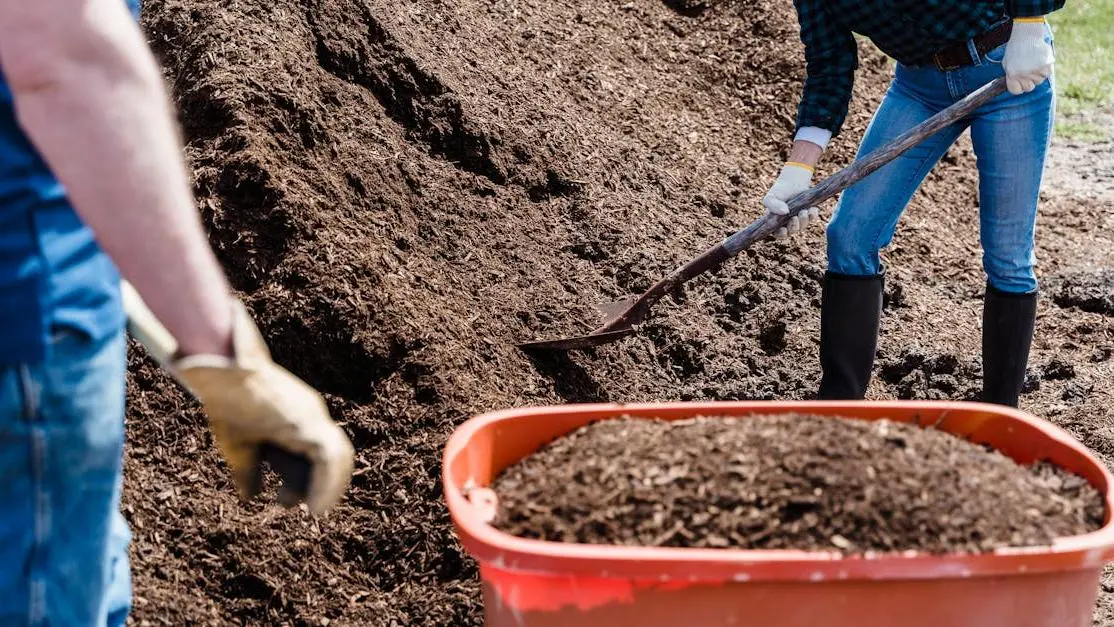
Invest in your street, local parks, and neighborhood health. Community cleanups and greening efforts pay off with better air, safer streets, and strong neighbor networks. Whether you’re bagging up trash, planting trees, or turning empty lots into gardens, you see results by the end of the day.
How to maximize your environmental volunteering
- Run small teams or join pop-ups: Plan with 5–25 people, use clear before/after photos, and wrap with recognition.
- Tap local toolkits: Models like Love Your Block offer proven steps for project planning, outreach, and safety.
- Go recurring: Steward a block, sign up for monthly cleanups, and watch your work multiply.
Build credibility by collecting data. Count trees planted, lots cleared, and hours served. Pair with city contacts or local businesses to keep the momentum going once the day is done.
Regular block-by-block cleanups do more than remove litter—they turn neighbors into community allies.
4. Skills-Based Marketing and Graphic Design Support
If you have marketing or design skills, your expertise can rocket a nonprofit’s reach. Tighten up a brand’s visuals, redesign campaign templates, or run a high-converting ad test, and you immediately expand their supporter base.
Smart ways to use your creative powers:
- Audit and upgrade brand templates for stronger first impressions.
- Set up or refresh digital campaigns; A/B test CTAs and button copy to drive action.
- Prep cross-platform, accessible graphics so they’re easy to reuse and scale.
Deliver a clear scope up front. Run a kickoff consult, set real metrics, and hand off assets with a one-pager so staff uses them well after you leave. Most nonprofits remember the volunteer who doubled their engagement from a simple landing page tune-up.
5. Tutoring, Mentoring, and Classroom Support
Education and mentoring fuel futures. Volunteer-run tutoring, reading clubs, or structured arts projects drive literacy and graduation rates—especially where school resources fall short. Consistency counts; one hour a week across a school term moves the needle fast.
Keys to high-impact classroom volunteering
- Pair with teachers: Align goals and assess progress together.
- Bring new energy: Readers theater, arts projects, and hands-on STEM kits grab attention and boost comprehension.
- Check in often: Short, simple communication with families turns new skills into home support.
Track results. Record reading gains, attendance, and feedback. Returning tutors mean stronger trust and bigger learning jumps year after year.
6. Rapid Response and Disaster Relief Mobilization
Quick action saves lives in a crisis. Local pods that mobilize for disasters—supply runs, welfare checks, short-term logistics—are a backbone for real safety. The key is discipline. Assign roles, pre-check skills and supplies, and conduct seasonal drills so you’re field-ready, not scrambling.
Core steps for fast, safe disaster volunteering:
- Pre-map skills and resources in your block.
- Run practice drills every season to keep everyone sharp.
- Develop a task triage: Immediate, short-term, and logistical support layers.
Transparency is vital. Use clear mapping tools and open status updates so nothing is missed. Capture what worked, the lessons learned, and who was helped.
When you act fast and work together, your block becomes a safe haven in any emergency.
7. Housing and Homelessness Support Teams
Housing insecurity impacts everyone. Direct support for those struggling—from kit assembly to move-in help or application support—can shorten the path from crisis to stability. Your time in these roles helps people get warm, stay safe, and return to secure housing sooner.
- Support includes assembling hygiene kits, running warming center shifts, helping with documentation, and assisting with moves.
- Volunteers that learn basic referral pathways can speed applications and reduce barriers.
- Good communication support (like dignity-centered social media) brings in funding and community trust.
Trauma-informed training is a must. Keep communication open and prioritize boundaries. Focus on tasks that reduce time-to-housing, and celebrate each move-in or shift covered.
With every hour you give, you help rewrite a story and build the foundation for long-term progress.
8. Animal Rescue, Fostering, and Adoption Support
Animal rescue thrives on small, consistent commitments from locals. Weekend fostering or even a single transport trip creates real, measurable outcomes—animals get out of crowded shelters, into homes, and, often, adopted faster. When you add in skills like marketing or social media, you help boost visibility and secure vital donations that keep the mission moving.
Why animal rescue volunteering drives quick wins
- Short-term fostering creates breathing room for overcrowded shelters and reduces stress for every animal saved.
- Transport runs are lifelines—every mile covered helps get pets to safety or vet visits.
- Social media posts, with clear photos and compelling stories, drive up adoption rates and boost donations.
Prefer behind-the-scenes impact? Fundraising, adoption counseling, and even creating quick “adopt-me” videos can be done on your schedule. Each task completed is a step toward another adoption or a safer shelter.
A weekend spent fostering or driving has a ripple effect on adoption rates and animal health.
9. Community Events and Civic Engagement Crews
Events are the heartbeat of local life. When you join setup, run registrations, or help coordinate accessibility, you do more than keep things running—you knit neighbors together and activate new volunteers. These roles offer structure: written checklists, team leads, and fast feedback.
Best-fit civic tasks for event volunteers:
- Set up or break down spaces, guide guests, run family activities for all ages.
- Accessibility volunteers make everyone feel welcome, building trust and turnout.
- Mentor other volunteers or help with onboarding using simple templates and training playbooks.
National and regional volunteer hubs bring these opportunities to your fingertips. Local directories connect you immediately to projects that match your interests or skills. Consistently volunteering at local events builds community, creates ongoing impact, and helps events scale up year after year.
10. Social Media and Digital Communications Volunteers
Not-for-profits rarely have the luxury of a dedicated comms team. If you’re comfortable online, you can turn a three-month content calendar or a simple campaign plan into huge growth for a cause. Every scheduled post—backed by effective copy and visual templates—directly fuels visibility, donations, and trust.
Quick digital wins for service-focused volunteers
- Build a calendar that pins down posting dates, content, and tags for better consistency.
- Run light audits and suggest three immediate fixes—like bio tweaks or link updates—to boost engagement right now.
- Create analytics dashboards with UTM tracking so nonprofits see what’s working and where each supporter comes from.
Train staff or hand off one-page guides so digital progress continues after you’re done. Consistent, clear communication multiplies every campaign and makes a small nonprofit look big.
11. Eco-Theater, Arts, and Storytelling for Climate Education
Art focuses attention. Eco-theater, readers’ theater, and community storytelling turn huge problems like climate change into approachable activities. If you’re creative—writing scripts, producing podcasts, animating, or leading workshops—you inspire action, not just awareness.
- Co-create with your community. Bring in lived-experience stories for relevance.
- Produce bite-sized social clips, short podcasts, or pop-up performances to reach wider audiences.
- Tie every art-based event to action steps—like tree plantings—so education leads into real-world changes.
Providing teachers and community groups with scripts and lesson guides makes sure your efforts last beyond the event itself.
Creativity unlocks action, turning education into everyday impact.
12. Event Photography and Video Production for Nonprofits
Visual storytelling sets missions apart. Event photos and videos make not-for-profits look legitimate, spark more sharing, and can drive conversion rates for donations or registrations. If you shoot, edit, or advise, even a single hour of your time can create reusable material for years to come.
Key ways to deliver big visual results:
- Plan with a clear shot list linked to the run of show and event goals.
- Hand off reels and highlight clips that are sized and optimized for different platforms.
- Pair your shoot with a micro-consult for workflow tips or asset management best practices.
Always clarify consent for filming, and create a short file index so assets don’t get lost. The right video or image often brings in new volunteers or funders who would never have found the group otherwise.
Getting Started With Not-for-Profit Volunteering
Every direct action you take starts a ripple. To unlock the most from your not-for-profit volunteer experience—and avoid stalling on getting started—choose one clear commitment and get moving fast.
Your guide to immediate progress:
- Match your skills and time to a role that fits—maybe it’s posting a neighbor request on Gathr, a Saturday at the pantry, or a recurring tutoring slot.
- Lay out a 90-day plan with your core goal and a “backup” micro-volunteer role.
- Build a simple calendar for check-ins or content. This keeps you and your team reliable and visible.
- Ask about short onboarding—what screenings are required, and what’s the first small outcome you can achieve? Clarity beats guesswork.
- Track your hours and completed tasks. Even basic lists of work done help you see your progress and impact.
Choose high-leverage tasks—like ads, social, or comms improvement—if you have marketing or design chops. Research and grant support help groups grow funding. Content calendars and storytelling templates turn messy execution into disciplined, scalable campaigns.
Action beats intention. Pick one thing. Commit for 90 days. Show up.
Looking for a way to get involved in your community?
Check out Gathr — a new app that makes it easy to find volunteer opportunities anywhere.
Find Opportunities →Conclusion
Start small and act now. Volunteer work in a not-for-profit setting gets easier with every step. Whether you pack a box, foster an animal, run a block cleanup, or offer an expert consult, your actions matter. Jump in—your community is waiting, and Gathr is ready to help you make every hour count.