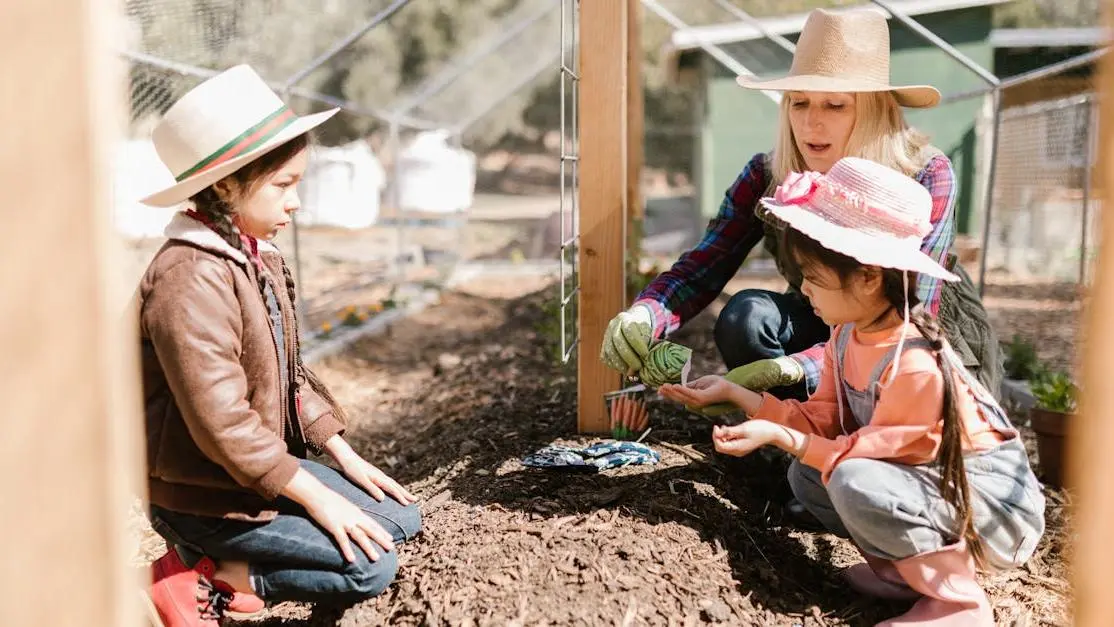
Volunteering for education is one of the most direct ways you can strengthen your community.
Whether you offer peer-to-peer tutoring, organize a local homework club, or support disaster-readiness lessons, your time delivers real results for students and neighbors.
Here are 14 practical ways volunteering for education creates measurable impact, builds new connections, and helps you grow while making a difference where you live.
1. High‑Dosage Tutoring to Close Reading and Math Gaps
High-dosage tutoring remains the gold standard for rapid learning gains, especially when it comes to closing stubborn reading and math gaps. You want impact? Consistent, focused sessions in small groups drive more growth than any scattered homework help or casual classroom support.
Why Should You Consider High-Dosage Tutoring?
- Students in twice-a-week, one-to-one or small group sessions master skills faster than peers in less regular tutoring.
- Tutors stick to proven curriculum and track progress, so every minute is used productively.
- Even at larger scale, structured programs deliver real results in reading and math—think 2-10 months of progress.
Your best fit is if you’re ready to show up reliably, want to see measurable progress, and care about tangible, long-term impact. High-dosage means planning, not just showing up once.
Key points to boost your results:
- Use clear, structured lesson plans tied to curriculum.
- Keep group size small—ideally no more than three students.
- Pair human connection with adaptive tech tools.
- Always check in on progress regularly with quick quizzes or probes.
Focused repetition, structure, and consistent relationships do what the classroom alone can’t: close learning gaps swiftly.
2. On‑Demand Online Tutoring for Low‑Income Students
When flexibility and equity matter to you, on-demand tutoring connects under-served students with live, real humans—right where and when they need it.
There’s no gatekeeping. Students stuck on crunch-time assignments, late-night math questions, or essays can get help from volunteers willing to step up online. You pick time slots that suit your own unpredictable calendar.
What happens when you volunteer like this?
- More than 60,000 underserved students have had a real tutor to lean on, often for the very first time.
- No minimum commitment removes the pressure for you and opens the door for busy schedules, night owls, or remote workers.
- Even a single short session can prevent burnout by resolving blockers before they snowball for the student.
Great for anyone wanting flexibility or for those looking to chip in from anywhere. On-demand is about responding when called, not just when it’s convenient.
Fast facts:
- Real-time, flexible impact with equity at its core.
- Small “wins” grow students’ confidence and keep learning on track.
- Fills the gaps for millions who don’t have access to private tutoring.
3. Mentoring and Role Modeling to Boost Confidence and Mental Wellbeing
Not every student needs academic help. Some need a boost in confidence, a sense of belonging, or a trusted adult to cheer them on. Mentoring in education fills these gaps.
Your mentorship provides connection, leadership, and life skills, lifting students above self-doubt and into action.
Why step in as a mentor?
- Youth report growth in communication, leadership, career direction, and emotional strength.
- Those most at risk of falling through the cracks—shy kids, late bloomers, or those with few support systems—benefit most.
Mentoring is best for you if you value sustained, meaningful connection, and want to help beyond academics.
Consistency, structure, and genuine interest multiply the ripple effect of every single conversation.
4. Service‑Learning That Links Curriculum to Community Needs
Service-learning is where academic smarts meet real-world service. The model links learning to genuine community needs—bridging classroom knowledge with visible action.
You work with students on issues that matter, tying projects like neighborhood data walks or community guides straight to curriculum standards.
What you achieve:
- Students gain deeper understanding in literacy, numeracy, or science by seeing the local impact of their lessons.
- Reflection sessions build up their sense of purpose and commitment.
You thrive in service-learning if project-facilitation and hands-on leadership make you come alive.
Core takeaways:
- Service-learning is more than volunteering; it’s relevant, instructional, and has measurable outcomes.
- Real-world projects (like environmental audits) give students skills and ownership.
5. Reading Aloud and Book Access That Grow Early Literacy
A simple act like reading aloud can transform language skills and create a lifelong love for books. Nothing fancy—just your voice, a good story, and a little encouragement.
What changes when you get involved?
- Regular read-alouds boost key literacy skills such as vocabulary and comprehension for young kids.
- Volunteers who prep, sort, and distribute books make thousands of new readers possible—one book at a time.
If you love stories and want high return for even short time commitments, this is your go-to.
- Add book giveaways and family story sessions to extend impact into the home.
- Early exposure plus choice in books sets up a true reading habit.
6. Consistent Academic Support for Students Experiencing Homelessness
For students who don’t know where they’ll sleep tonight, consistent tutoring provides rare stability and keeps school from slipping through the cracks.
Regular, paired sessions with trusted volunteers help kids maintain educational progress, even when everything else moves.
These supports deliver:
- Measurable reading and math improvement for the most mobile learners.
- Technology, trauma-informed practice, and flexibility built into each session.
This work fits you if you want to provide stability, thrive on building trust, and adapt well to changing circumstances.
Reliability, patience, and a flexible mindset are vital when every week’s context can shift.
7. Community Volunteers as Auxiliary Educators in Times of Crisis
Crises can close schools, but they don’t have to stop learning. Community volunteers step in to create local learning hubs, distribute materials, and keep routines going.
Volunteering during emergencies:
- Rapid, local action brings education to millions when formal systems break down.
- You become a key link, not just a backup plan—guiding small groups, sharing materials, and providing psychosocial support.
Fit for local leaders and trusted neighbors who can organize, adapt, and learn on the fly.
Skills that multiply impact:
- Training in safety, basic teaching, and wellness.
- Using simple lesson plans and daily check-ins for stability.
8. College Student Volunteer Models That Scale Cost‑Effectively
When college students step up as tutors, we see a real return: improved reading and math for students, plus life skills for volunteers.
Colleges create large pools of near-peer tutors, powering virtual or in-person sessions with just-in-time training and expert oversight.
What’s in it for you?
- You get practical experience, empathy, civic identity, and communication skills.
- Programs that include training, support, and regular check-ins keep standards strong—even across large cohorts.
Flexibility, leadership, and resume value make college volunteer models a win for students wanting to give back.
High-dosage doesn’t always mean high-cost; scaling energy and structure through peer networks can drive real transformation.
9. Employer‑Supported Volunteering That Unlocks Skilled Mentors and Tutors
Your expertise from work matters in the classroom too. When companies enable paid time for volunteering, they activate a huge pool of skilled mentors and tutors for schools and students. These programs amp up company culture, boost employee skills, and leave lasting marks on communities.
Why does this work for you and your workplace?
- Employees who volunteer report sharper communication, influencing, and confidence skills. Team morale climbs and many find more purpose in their daily roles.
- Managers see increases in staff productivity and team cohesion. Retention improves as employees feel recognized for creating value beyond their job list.
Perfect for professionals who want structured ways to use their day job strengths. Find opportunities in team-based tutoring drives, school data analysis, career talks, or short skills-based projects.
Wins for everyone:
- Paid volunteer hours means you act without burning out.
- Practical experience in leadership and problem-solving that feeds right back into career growth.
- Clear ESG wins for your employer with social impact stories to show.
Aligning employer-supported volunteering with real community needs makes every hour more powerful—for students and for your career.
10. Mentoring Immigrant and Newcomer Youth to Build Belonging
Newcomer students often need more than textbook help. They want true belonging and someone who will help them navigate new systems and languages. Community mentoring steps in to create immediate, real-world benefits.
What can you deliver as a mentor?
- Strengthen language skills and improve school engagement by pairing social practice with homework support.
- Boost confidence and connection for students who might otherwise feel invisible in a new environment.
You excel here if you’re bilingual, culturally aware, or simply curious and open. Role clarity and practical tips go a long way.
- Focus on both communication and practical help—school forms, teacher meetings, joining clubs.
- Set quick language goals or weekly milestones for visible progress.
11. Peer Study Groups and Homework Clubs Organized Locally
Sometimes the strongest learning happens when you rally neighbors or classmates in a room and get to work. Local, peer-powered study clubs build accountability, safe routines, and learning momentum.
At Gathr, we help you launch, track, and grow these grassroots study groups with our app—connecting your skills with your neighborhood’s real needs in minutes. Members can offer or request tutoring, log their progress, and grow together.
Why is this model so effective?
- Peers and near-peer mentors keep each other moving forward—think of it as friendly competition with results.
- Reading logs, math games, and simple routines help lock in habits for all ages.
Perfect fit for parents, students, or anyone wanting to make a difference right down the street.
- Use Gathr to easily post or find circles, keep things organized, and create real community accountability.
Grassroots study groups, paired with Gathr’s simple coordination, mean no family falls through the cracks.
12. Disaster Preparedness and Recovery Education Led by Volunteers
When disaster hits, learning should not stop. Volunteer-led preparedness and recovery lessons minimize lost school days and stress by equipping families beforehand and supporting recovery later.
Want to act fast?
- Prep and distribute safety and learning kits.
- Translate and explain readiness materials so all families know the steps.
- Help out at school events or info sessions—everything counts.
If you thrive in logistics, outreach, or community teaching, you’ll step up in big ways. Practical, bite-sized preparedness means more kids show up for class no matter what life throws at them.
13. Training and Support Structures That Sustain Volunteer Impact
Impact hinges on great training, real support, and visible recognition. Bite-sized onboarding and micro-credentials slice the learning curve for new volunteers and ensure quality at scale.
Stay engaged, prevent burnout, and boost your own skills with:
- Micro-trainings and peer shadowing to build confidence quickly.
- Regular reflection, community updates, and pathways to recognition.
- Playbooks covering recruitment, trauma-informed practice, and staged progression.
You shine when you care about growth—yours and others’. Consistent support makes volunteering a habit, not a one-off.
Structured training and recognition transform good intentions into lasting, community-rooted change.
14. Digital Platforms That Connect Neighbors to Peer-to-Peer Education Support
Too many people want to help but don’t know where to start. Digital platforms eliminate friction and connect supply to demand locally.
Our app, Gathr, gives you direct access to local acts of kindness—post your need or offer, join a literacy circle, or match with a neighbor who needs support. You get clarity, safety, and a simple way to track your impact.
What makes this effective?
- Fast matching, clear roles, and transparent follow-through.
- You control your time—choose micro-commitments or recurring relationships.
- Combine in-app tools with real-world rituals for reliability.
If you want to plug in on your schedule or launch a local project, Gathr is how you move fast and keep progress public.
How to Start Volunteering for Education Today
Ready to jump in? Here’s your no-excuses plan:
- Pick a role that matches your skills and time.
- Set a recurring calendar slot—no overthinking.
- Track goals or outcomes, big or small.
- Invite a friend or neighbor to co-volunteer for even more impact.
- Use Gathr to connect, coordinate, and stay motivated.
Even a single, focused hour builds momentum. Your first step is the only barrier to impact.
FAQ: Volunteering for Education
Direct answers, fast:
- No teaching background needed—most programs provide short, clear onboarding.
- Even 60–90 minutes a week moves the needle.
- In-person and online both deliver if you stick to a schedule and focus on practical tools.
- Track sessions, celebrate small wins, and ask for feedback.
- Platforms like Gathr offer simple ways to verify hours and showcase your impact.
Looking for a way to get involved in your community?
Check out Gathr — a new app that makes it easy to find volunteer opportunities anywhere.
Find Opportunities →Conclusion
Volunteering for education gives you practical, lasting leverage to boost student growth and community wellbeing.
Read to a child, rally your neighbors, open your app and match a skill with a need—it all counts. Start small, be consistent, and connect your impact with Gathr to keep kindness moving in your community.