
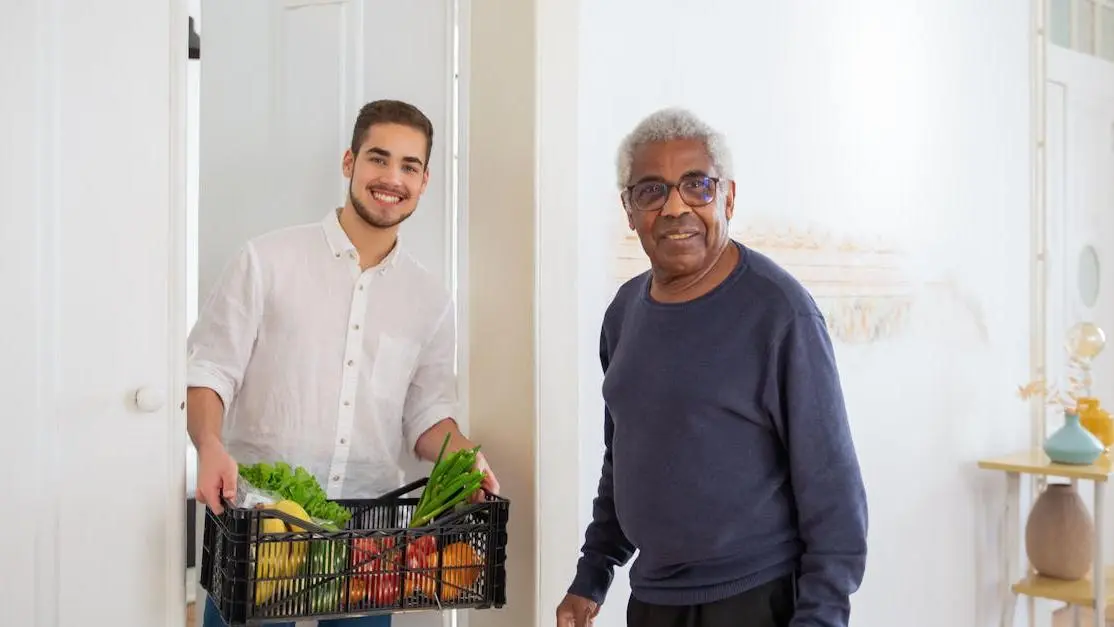
Food bank volunteer opportunities connect you with neighbors who care about real change, especially when hunger in our communities remains urgent and visible.
If you’ve ever wanted your time and skills to matter in a direct way, you’re not alone.
To help you find the best fit for making an impact, we created this guide:
- How food bank volunteer opportunities work, from sorting food to peer-to-peer support
- Practical steps to get started quickly, with tips for all backgrounds
- Ways to build local connections and real community resilience through hands-on action
Understand What Food Bank Volunteer Opportunities Are
If you want to create impact fast and connect with others, food bank volunteer opportunities are your entry point. You’ll find more than canned food drives. Volunteering at a food bank means direct, hands-on involvement, accessible for anyone with a drive to help.
Key routes for getting involved, with real-world payoff:
- Sorting and packing: Prep food boxes for seniors or kids. You see the scale as bulk donations transform into meals ready for real families.
- Meal prep and service: Help cook in community kitchens. This is perfect for energetic volunteers who value connection at the table and want to see gratitude on clients’ faces.
- Distribution and pantry support: Some volunteers guide clients during food shopping or deliver bags straight to doorsteps. This hands-on work is crucial in urban neighborhoods or isolated rural towns.
- Peer-to-peer action: Local mutual aid brings neighbors together quickly, often outside of traditional sign-ups. It’s ideal for people wanting ultimate flexibility.
- Special events and food drives: Short-term, high-impact roles, from loading trucks during a crisis to rallying your block for a weekend collection.
- Administrative and mentorship: Those who bring language skills or lived experience empower clients to access food stamps or navigate the system.
You don’t need special skills, just a willingness to show up. Most banks make it easy: register, sign a waiver, complete a quick orientation. Peer-driven groups often skip red tape and launch projects at the speed of community need.
Food bank volunteer opportunities are practical, direct paths to helping neighbors today, not someday.
Why Your Help Matters: The Real Impact of Food Bank Volunteers
Your time, even an hour, closes the hunger gap for families who need a lifeline now. Across the U.S., tens of millions of people struggle with food insecurity—adults, kids, seniors. Every food bank depends on volunteer energy to keep shelves stocked and doors open.
Think about the scale:
- Some food banks log 13,000+ volunteer hours a year: that’s equal to adding several full-time staff.
- Feeding America’s network moves billions of meals—impossible without local volunteers who show up week in, week out.
- During major disasters, volunteers answer the call, from hurricanes to power outages. They mobilize to distribute emergency supplies without delay.
- Special campaigns—like Hunger Action Month—spark massive surges in food distribution and education, powered by neighbors, not just paid staff.
- Volunteers aren’t just box-movers. Many offer benefits sign-up, nutrition outreach, or translation, unlocking new services for families.
You grow alongside your community. Helping others fosters belonging and agency. People who once hesitated find themselves at the core of what makes their town resilient.
The dedication of volunteers—people like you—transforms occasional giving into lasting supply for those who need it most.
How Peer-to-Peer Volunteering Reshapes the Food Bank Experience
Peer-driven models put you in control. Instead of waiting to be slotted into a rigid volunteer list, you decide when and how to help. That’s the heart of Gathr’s platform. We make volunteering direct, local, and personal.
Gathr matches your skills and availability to real-world needs.
- Want to sort donations on a weekday morning? Open the app, pick a slot, see your impact instantly.
- Prefer delivering food to clients on your block? You can claim a route and build real connections, no bureaucracy.
- Have expertise in mentorship, language, or benefits access? Gathr lets you offer these talents where they’ll create the biggest shift.
By connecting neighbors without layers of process, peer-to-peer volunteering fills gaps traditional food banks might miss. You might see multilingual education flourish or local leadership emerge—residents become the engine behind lasting change.
There’s accountability, real feedback, and a sense of ownership you rarely find elsewhere. When a family eats because you took action, you don’t just check a box. You’re the reason dinner happens.
Discover the Different Food Bank Volunteer Opportunities Available
There’s no one-size-fits-all. Successful food banks thrive on diverse volunteer power. Whether you crave routine or want an intense, one-time impact, you’ll find work that fits.
Core Volunteer Roles with Direct Results
- Sorting and packing: Prep food boxes for school kids, create grocery bags for local seniors, or support disaster-relief shipments. You’ll turn pallets of donations into meals on tables.
- Meal prep and kitchen support: Community kitchens need hands to cook and serve. The pace is fast, and the gratitude is real.
- Food distribution and pantry support: At mobile pantries or permanent sites, volunteers help neighbors shop or navigate choices. It’s client-facing and often the most personally rewarding.
- Home delivery: Perfect for those with wheels or strong backs. You reach people isolated by mobility issues, health conditions, or distance.
- Event support: Lend muscle and energy to special drives—packing kits, coordinating logistics, or staffing awareness tables.
- Administrative or educational help: Provide SNAP application assistance, help with intake, or offer peer mentorship to new clients or volunteers.
Volunteer Opportunities by Location and Need
- Packing school bags in Central New York: impacts hundreds of children every week.
- Distribution work in major cities like NYC: optimal for volunteers who thrive in high-volume environments.
- Food box decorating and assembly in Utah or Nevada: allows families and kids to get creative while serving others.
- Flexibility for groups, youth, and even court-ordered service: Many programs set minimum ages, but most offer roles for all ability levels.
A bit of research pays off:
- Age and physical requirements vary. Some delivery spots need lifting; others, only a friendly face.
- Family or corporate groups add momentum. Most food banks fit you in easily.
Find Food Bank Volunteer Opportunities Near You
Ready to jump in? The right opportunity is closer than you think.
Start here:
- Use the Feeding America search tool or your local food bank’s website. Most offer real-time volunteer calendars and easy sign-ups.
- Gathr’s local matching connects you to urgent requests in your area. Open the app, browse offers, make a difference today.
- Confirm the basics: Are you old enough for that specific role? Does the pantry want you up front or in the back? How often? Any physical requirements?
- Explore remote options too. Many organizations now run virtual food drives or online awareness campaigns.
For the best results, cast a wide net. Try the food bank’s portal, combine this with Gathr for direct opportunities, and watch for local pop-ups or disaster needs. You’ll find a match that aligns with your skills, schedule, and passion.
If you want to make an impact fast, find the food bank role that excites you and take action on it—your neighbors need you right now.
Overcome Common Fears and Barriers to Volunteering
Jumping in can feel intimidating. Maybe you worry you won’t be needed. Maybe time feels tight. Maybe you’re not sure what to expect. These are real concerns, but they shouldn’t stop you.
Food banks and peer-to-peer projects thrive because they welcome everyone. They value your willingness above all else.
Here’s how food banks break down common barriers:
- Short, flexible shifts: Many tasks last one to three hours. There’s no minimum commitment. Even one hour delivers real benefits to families.
- Simple onboarding: First-timers get clear directions, basic training, and support. Signing waivers and attending a short briefing is usually all it takes.
- Role variety: If lifting or fast-paced work isn’t for you, choose lighter duties. Help with intake, kit assembly, or remote drives.
- Openness to diverse backgrounds: No special qualifications needed. Volunteers of all ages, languages, and life stories are essential, especially in community-led programs that value lived experience and cross-cultural trust.
- Legal or schedule barriers: If you need group sign-offs or specific documentation, volunteer coordinators can help. Communication upfront avoids surprises.
Every food bank volunteer counts, no matter how much time or experience they bring.
Make the Most of Your Food Bank Volunteer Experience
Now that you know you’re needed, why not get the most out of every shift? The more prepared and proactive you are, the bigger your impact—and the more memorable your experience.
Best ways to maximize your time volunteering:
- Register early, read the guidelines, and show up a few minutes ahead to beat the rush.
- Wear closed-toed shoes and comfortable clothes. Safety comes first.
- Accept varied assignments. Don’t hesitate to try something new or ask about other roles. Each shift helps you develop new skills.
- Keep track of your hours, families served, or meals packed. This amps up motivation and helps food banks secure resources.
Ask questions. Debrief after your shift or check in with the team. You’ll find new ways to contribute or even move into leadership. If you want feedback, just ask—organizations want you to succeed.
Small steps, taken consistently, build true confidence and skill in making a real difference.
Explore Ways to Get Involved Beyond a Single Shift
One-and-done is great, but deeper impact comes from sustained commitment. Food banks and local projects need people who show up again and again—or take the lead on new ideas.
Key opportunities to amplify your effect:
- Join recurring shifts to build working relationships and trust.
- Organize food or fund drives at school, work, or in your building. These create momentum and pull in new volunteers.
- Use peer-to-peer platforms like Gathr to launch group projects: Schedule a regular delivery team, pack produce bags with friends, or tackle neighborhood needs together.
- Volunteer as a mentor or help with onboarding new people. This keeps the movement strong long-term.
- Get involved in community collaboratives. Some groups provide paid leadership training or pull residents into co-designing food access programs.
Going further, some volunteers help with program evaluation, outreach, or advocacy around food justice. The ripple effect gets bigger with each step.
Move From Charity to Connection: Building a Network of Kindness
Volunteering at a food bank is not just about giving, it’s about building connection. You move from isolated action to active membership in a neighbor-powered network. Every act of service deepens that bond.
When people lead peer-to-peer efforts—like organizing culturally relevant food distributions, sharing language skills, and building mutual aid—help becomes lasting. You see change, not just charity.
Food bank volunteering transforms simple service into a web of support that builds resilience, trust, and belonging.
Looking for a way to get involved in your community?
Check out Gathr — a new app that makes it easy to find volunteer opportunities anywhere.
Find Opportunities →Conclusion: Take Action and Make a Real Impact Today
You have what it takes to make a difference. Food bank volunteer opportunities are open, proven, and waiting for you right now. Stop hesitating. Take the first step today, whether it’s a single hour sorting cans or rallying your block for an ongoing drive.
Find the best fit for you. Use Gathr or connect with your local food bank. Become the force, the hands, the neighbor that turns care into action.
Action changes lives. Networks build real change. Your move.