
Finding family volunteer opportunities that actually connect you with neighbors and deliver real help is challenging.
Most guides focus on bulk signups or nonprofits, but you want direct, peer-to-peer ways to give and receive support.
In this article, we share seven simple, impactful options that make it easy to volunteer together as a family, build authentic relationships, and see your efforts make a difference right where you live.
1. Organize a Community Food Drive
You want fast impact, genuine connection, and a clear way to involve your whole family. Few activities hit all those notes like a community food drive. You see the results, neighbors benefit, and the tasks scale for any age. All it takes is a bit of structure and purpose.
Why food drives work for families:
- Every dollar donated to groups like Feeding San Diego provides about two meals.
- Physical donations also matter. Food banks convert pounds to meals (1.2 pounds equals one meal). Kids can tally donated weight at home to track your impact.
- Drives make tough problems visible. You’re not just dropping cans in a bin—you’re talking about hunger with real numbers.
Food drives start simple:
- Choose a start and end date that makes sense.
- Use a “most needed items” list from your local food bank to get high-utility donations.
- Let kids tally pounds and meals with simple conversion charts. They see progress.
Set realistic targets. Even a small drive makes a difference measured both in adjusted pounds and meals. Add a dollar donation option for friends who aren’t local.
Share your results using meal or pound conversions specific to your food bank so the story you tell is accurate.
If you’re using Gathr, you can post a request for boxes, set up a shelf-stable drop-off spot, or even organize porch pickups in your neighborhood. That keeps it simple and allows others to join without heavy logistics.
2. Help at a Food Bank Warehouse or School Market
Direct, hands-on action can drive stronger lessons for kids and big operational results for the community. Warehouses and school market shifts get everyone moving, packing, and directly counting how much food will feed how many families tonight.
Tasks often include sorting, boxing, and prepping pantry staples like beans or rice. Typical shifts run two to three hours. Teen-friendly roles are common, but always check age rules before you sign up.
Why warehouse and market shifts deliver:
- Packing lines offer instant feedback. You see boxes stacking up, each one a boost for a local family.
- Most programs gauge success by boxes packed or pounds processed per shift.
- You build empathy for the real work behind hunger relief.
Age rules are clear and enforced—so check before your first shift. Many warehouses require volunteers to be 13+ or 16+ for safety.
- Best for families wanting tangible work in short sprints.
- Not ideal for younger kids or anyone with physical limitations; warehouse work requires standing, some lifting, and attention to safe handling.
- Greater Boston, for example, uses school markets and flexible warehouse shifts for family volunteers.
Use Gathr to coordinate carpools with other local families or post a request for shift coverage if a spot unexpectedly opens.
3. Create Handmade Cards and Care Packages
If your family prefers creative, at-home activities with clear emotional impact, handmade cards and care kits are simple, cost-effective, and make real connection. Seniors in care homes, families in need, or children in hospitals all benefit from small acts like these.
Why this approach is powerful:
- Card making lets even the youngest child take the lead and show their creativity.
- Care kits (hygiene, craft supplies, cozy socks, or books) get used right away, especially when you follow item acceptance lists (like those from Cradles to Crayons).
- Intergenerational programs show small but steady boosts in self-esteem for older adults just from regular friendly contact.
You make the rules at your own table—work at your pace, use a toolkit or “what to include” list for zero waste, and focus on repeating small gestures over time for real effect.
- Best for families with young kids or no easy access to transportation.
- Good fit for those who value visible emotional impact over physical labor.
Ask the recipient organizations about any restrictions on your notes or gifts, then tell your kids exactly who they’re helping. Post on Gathr to offer bundles to local elder homes or to recruit neighbors who want to drop off care packages, too.
4. Foster or Support a Shelter Pet
Animal fostering builds routines, empathy, and daily responsibility for the whole family. It’s not just the animals that benefit—your kids learn the impact of consistency and compassion, often in a matter of days or weeks.
Roles include fostering cats or dogs, making enrichment toys, cleaning kennels, or assisting at adoption events. Some shelters welcome teens alongside adult volunteers, while kids under 16 often start with offsite projects.
- Best for families ready to commit to daily tasks and who love animals.
- Requires home routines—feeding, walks, meds, or enrichment. Success is measured in nights or weeks fostered, not just feelings.
- Even one foster placement or 10 homemade toys can chip away at shelter overcrowding and stress.
Check local policies for minimum age and training. Track your results: nights fostered, number of toys made, hours volunteered. If you’re fostering through a busy season, use Gathr to request donated towels, treats, or food from neighbors who want to contribute.
5. Connect With Seniors Through Calls, Letters, or Pen Pals
Connection reduces loneliness and shares stories across generations. Set up regular calls, pen pal programs, or card drops for local seniors and you’ll see gratitude returned, often in unexpected ways.
Choose activities that match your comfort level—some prefer weekly phone check-ins, others a monthly card exchange. Senior centers regularly accept cards, and many run befriending or pen-pal matchmaking for volunteers.
- Most effective when ongoing and regular, not just a single call or card. Consistency pays off.
- Perfect for remote volunteering, introverts, or families craving meaningful, low-energy impact.
- Always protect privacy for both sides—use first names only and review messages with kids before sending.
Families can use Gathr to match with neighbors wanting calls or letters, or to collect and deliver cards for local senior centers who welcome regular, friendly touchpoints. Sustained outreach builds skills and confidence for kids and lifts spirits for recipients.
6. Volunteer at Your Local Library and School
Public libraries and schools represent the heartbeat of any community. They thrive on parent and student support. Want predictable impact and repeatable routines that also strengthen your own neighborhood? Start here.
Reading buddies, shelving, event setup, school market food packing—these are just a few ways your family can show up and contribute. These roles work well for adults with flexible schedules, kids who want to help classmates, or anyone who seeks community right outside their front door.
Key benefits for families:
- Parent and family involvement links directly to higher grades, better school behavior, and more positive attitudes.
- You’ll find a wide range of time slots and roles—even if you can only pitch in once a month.
- Your hours often get recorded for school or grant reports, so they have real weight.
Not every opportunity requires teaching or deep expertise. Many tasks (like sorting books, running book fairs, prepping classroom packs) simply need willing hands and a little care.
Every hour spent at your local school or library not only supports kids directly, it builds trust across generations.
If you need more helpers, offer homework support to neighbors through Gathr or post a request for extra volunteers during busy periods. Supporting your local library or school means building community right where you live.
7. Restore Neighborhoods With Cleanups and Tree Plantings
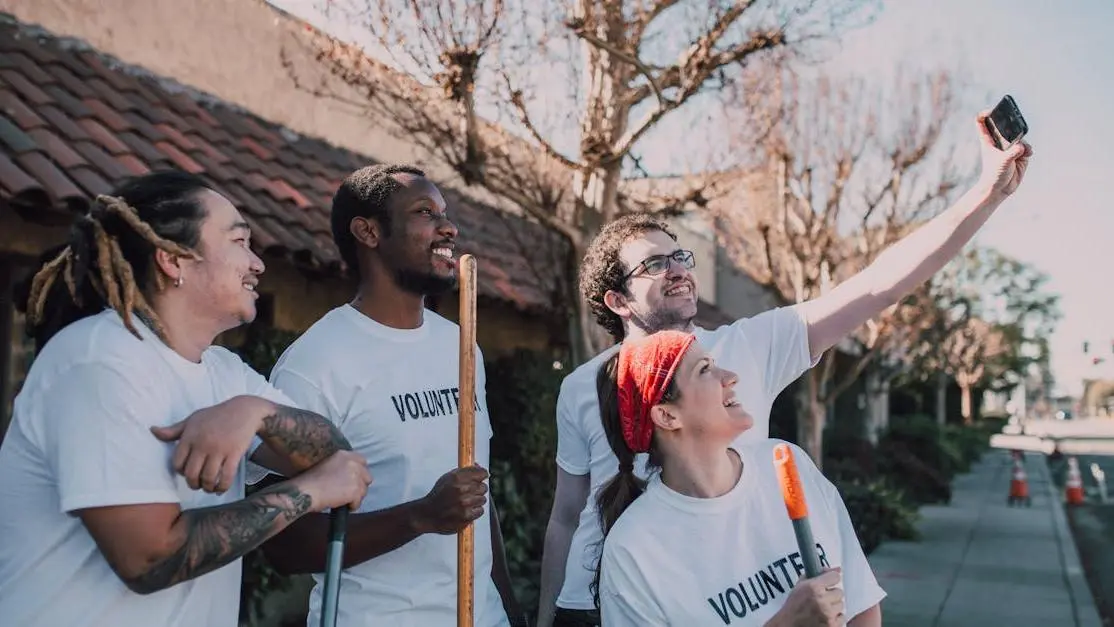
If you want a fast, visible win—and a shot at rallying neighbors—community cleanups and tree plantings bring everyone together outdoors. You see the results instantly. Kids get invested. Your block, schoolyard, or park transforms in an afternoon.
Parks, playgrounds, creek beds, or even schoolyards can all benefit from a family-led push. Start with a single street or patch to avoid burnout.
Why outdoor service packs a punch:
- Tree planting improves shade, wildlife habitat, and local climate resilience for decades. Every new tree is a measurable, long-term success.
- Trash cleanups give you before-and-after proof. Pounds of litter removed are instantly counted and felt.
- Events create neighborhood connections you’ll feel for months.
Keep it safe: gloves, grabbers, water, and clear boundaries for kids. Aim for quick wins—a single block or small park—then scale up if you want.
Post your event (or request supplies) on Gathr, then share your results and invite more families for future rounds. Consistent action builds a reputation for leadership and stewardship.
How to Choose, Plan, and Sustain Family Service Without Burnout
Doing good shouldn’t leave you overwhelmed or stretched thin. The secret? Start smaller, keep it local, and make every hour count.
Simple Steps to Build Your Family Volunteering Habit
- Match roles to ages. Littles thrive on card making or park walks. Teens can tackle warehouse shifts, tutoring, or project co-leads.
- Select one focus for the season—like food insecurity, the environment, or education—rather than chasing every opportunity.
- Fit projects into routines. Try Saturday morning cleanups, library visits, or after-school supply drives.
Track the impact. Use meal counts, books sorted, trees planted, or hours logged. After each project, capture a standout word from each family member—proud, grateful, useful. Pin it somewhere visible.
When you need local supplies, helpers, or want to offer micro-volunteering like a ride share or meal kit, Gathr lets you post or answer small asks on your block. It’s a peer-to-peer way to strengthen your ripple effect without added stress.
Small wins repeated consistently create the biggest lift for your neighborhood and your family.
Quick FAQ on Family Volunteer Opportunities
Questions always pop up when you step into family service. Here are some quick-fire answers:
- Which opportunities let kids help? Look to cards, park cleanups, library sorting, or food drives. Check age requirements for warehouse or shelter gigs.
- How do we measure our impact for kids? Use clear metrics like pounds of food, meals served, or books sorted. Track hours to visualize your cumulative difference.
- What if weekends are booked? Try at-home projects or pick quarterly events as anchors, like planting day or supply stuff-a-thon.
- How do we avoid starting from scratch? Use toolkits and ready-made posters when available. Skip reinventing—start acting.
- Want hyperlocal needs? Browse or post specific asks and offers on Gathr to keep volunteering right-sized, personal, and effective.
Looking for a way to get involved in your community?
Check out Gathr — a new app that makes it easy to find volunteer opportunities anywhere.
Find Opportunities →Conclusion
Your family’s consistent, everyday actions drive the biggest change. Choose one project, start small, and anchor volunteering as part of your shared routine. When you’re ready, invite neighbors on Gathr, coordinate quick asks for supplies or rides, and watch your impact multiply. Each effort, no matter the size, moves your entire community forward. Start today.