
Volunteering for 14 year olds can be confusing, with most advice aimed at adult volunteers or large organizations.
We focus on real-world ways you can join, start, or organize direct projects—helping neighbors, supporting local causes, or bringing friends together for hands-on impact.
This list gives you proven options and clear safety steps, making it easier to take action and track your hours no matter where you live.
1. Neighborhood Cleanup with Keep Austin Beautiful or Great Massachusetts Cleanup
Every neighborhood has spots that need a transformation. When you help clear litter, blitz a park, or organize a river cleanout, you see results fast. That’s motivation you can feel.
Quick-start Impact List:
- You help keep streets, parks, and water safer and friendlier for everyone.
- Local programs like Keep Austin Beautiful loan supplies, set safety standards, and manage logistics.
- Sites like Great Massachusetts Cleanup track your cleanup totals, making your impact visible.
- Everyone has a role: even if you’re not hauling bags, you can take before/after photos or sort recyclables.
You’ll need gloves, closed-toed shoes, and parents might need to sign a waiver. Review safety materials ahead of the event. Pair up so no one works alone. Stick to the checklist: don’t touch sharp objects or poison ivy. Organized programs require about two-week notice for supplies and waivers.
Always share your total trash collected and post those results to your school or club. Cleanups work best for teens who want fast, outdoor impact and like getting people together. If you want to keep it organized and make communication easy, list your event on Gathr for signups and to show-off your stats.
Cleanups turn a few hours into a cleaner, safer space for everyone in your city.
2. Food Pantry Helper at St. Francis Center via L.A. Works
When food insecurity rises, pantries need steady teams. You can sort produce, pack boxes, or hand out meals. Teams at places like St. Francis Center work predictable shifts so you build relationships with staff and neighbors.
What makes you effective at a food pantry?
- You can lift up to 20 pounds, follow food safety rules, and work with others.
- Food pantries often take volunteers as young as 8, with a parent and waiver.
- Roles go beyond packing: try check-in, shelf stocking, or translation if you know another language.
Ask for a shift calendar and show up ready for action. Most pantries will sign your hour logs and train you on site. The best fit is someone who wants direct, in-person service and a clear schedule week-to-week.
3. Meal Ministry Team at Church of Our Saviour or a Local Faith Community
Serving meals goes beyond the kitchen. You learn timing, teamwork, and give dignity to guests. Teams rotate through prep, cooking, serving, and cleanup.
Meal ministries often staff 3–5 per shift. You’ll open the kitchen, follow safe serving practices, wash dishes, then count and report meals served. This is for you if you want structure and want to see real gratitude.
Check with your church or local community center for volunteer training, kitchen safety briefings, and parental permission. Many programs rotate responsibilities so you grow skills each week.
Meal ministries build real-world confidence by letting you see the impact of a single shift.
4. Pet Enrichment Crafting for Animal Care Centers of NYC
Most shelters need volunteers who are patient and creative. If you’re not old enough for direct animal care (some start at 16), you can make enrichment toys and support donation drives.
What roles are open for 14 year olds?
- Craft snuffle mats, braided toys, or bottle enrichment feeders at home.
- Organize toy-building parties with friends and take supplies to your local shelter.
- Always check the shelter’s wishlist and safety requirements for donated toys.
Many shelters, like Animal Care Centers of NYC, feature group enrichment projects and have clear drop-off instructions. This is ideal for animal lovers wanting flexible, creative volunteering before they qualify for hands-on shifts.
Document your donations for service hour credit. You’ll often get a thank-you note or impact photo in return.
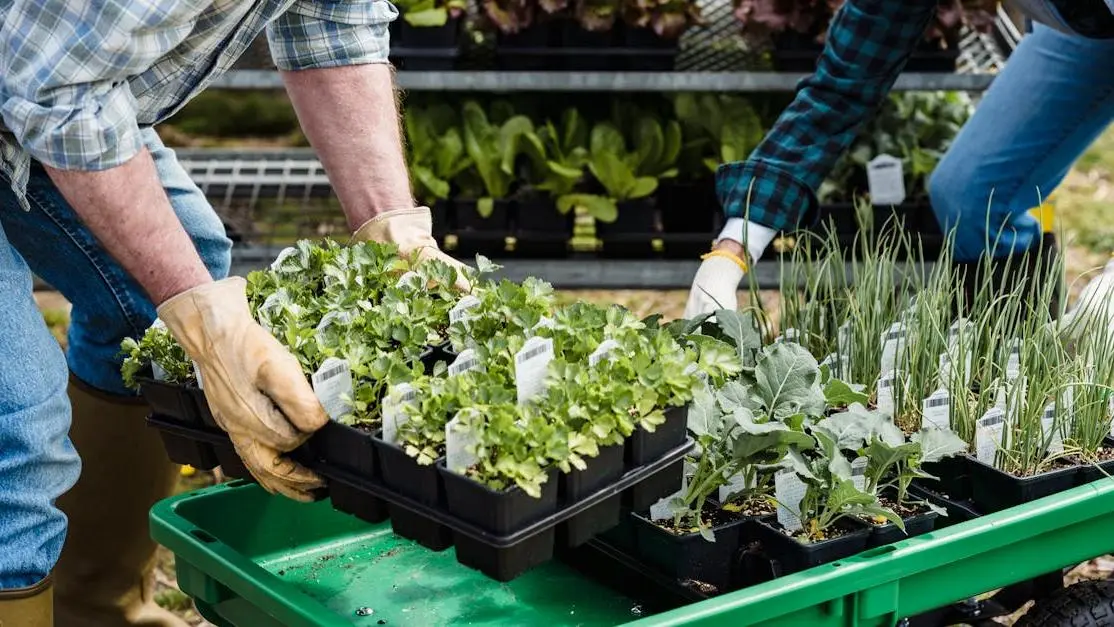
5. Community Garden Volunteer at Paradise Parking Plots or Community Roots Garden
Gardens feed families and pollinators alike. Weekly volunteer shifts teach you watering, weeding, composting, even bee care. You’ll meet gardeners of all ages and backgrounds.
Start with Paradise Parking Plots or Community Roots Garden. Volunteers learn real skills: irrigation, tool care, pollinator basics. Most gardens offer open shifts so you can join consistently.
Bring a water bottle, sun hat, and sturdy shoes. Many gardens have multilingual teams, so be ready to help everyone. If you want climate action with your hands in the earth, gardening is a fit.
Community gardens connect you to local food, climate action, and a network that cares.
6. Youth Sports Assistant with AYSO and Community Recreation
Love soccer or community sports? You can help set up fields, assist coaches, and support events, even as a beginner.
Trainings are short. Tasks include field setup, concessions, checking in teams, or assisting referees. Most leagues accept younger teens for basic roles with brief training.
Sports volunteering develops leadership and builds event skills. You’ll fit right in if you enjoy teamwork, a fast pace, and working with your hands.
7. Library Helper and Reading Buddy through Local Programs
Reading buddies and library helpers play a big part in building literacy. Roles can include shelving, supporting events, or working with children in reading programs.
How to get involved:
- Sign up for summer reading volunteer programs or event support shifts.
- Mentoring roles may need you to be 16, but libraries often run “Teen Advisory Boards” or volunteer crews for ages 12+.
- Track hours and progress. Many libraries offer training and service certificates.
This is a good fit if you love books, want a consistent schedule, and enjoy helping younger students.
8. Assemble Care Kits for Unhoused Neighbors
Packing care kits lets you meet a real need. Hygiene items, socks, snacks, and a resource card give someone dignity and small comforts.
Partner with a local shelter to confirm needed items and safe, respectful ways to distribute. Keep your kits organized and labeled—avoid glass or anything unsafe.
Drop off in person or with a community group. Document your kit numbers and keep resource cards up to date. Best for those who want a hands-on, social action project that fits any schedule.
Care kits prove that one small action can directly support someone’s daily needs.
9. Pack CWS Hygiene Kits for Crisis Response
Standardized hygiene kits mean disaster survivors and refugees receive immediate, high-quality support. CWS has set lists to follow, so every kit meets critical needs.
What’s most effective:
- Use only new items to pack into a 1-gallon bag: washcloth, comb, toothpaste, more.
- Follow the checklist. Include $2 per kit for shipping if possible.
Host a kit assembly event. Assign clear roles—packer, inspector, tally. CWS ships in bulk, so organize a focused collection with a planned drop-off.
When you use Gathr, you can set up a local kit-packing event, recruit friends, and track your collective impact easily. Hygiene kit packing suits those who love clear directions and measurable results.
Each kit changes someone’s day in crisis. Your team can make a difference in a single afternoon.
10. Peer Tutoring and Homework Help using High-Impact Tutoring Basics
You can make a measurable difference in a younger student’s math, reading, or homework skills by running small-group or one-on-one sessions. Fast results come from high-impact best practices: short, frequent sessions, consistent pairing, and activities aligned with what kids learn in class.
Whether you support a neighbor or formalize tutoring with school partners, you should:
- Keep groups to four or fewer for real progress
- Run two to three sessions per week if possible
- Use simple tracking for what you cover and students’ wins
Why it works: consistent tutoring, even two 30-minute sessions a week, can boost math and reading by several months. Training helps—but commitment matters more. If you want to bring structure and recruit help, managing sessions through Gathr makes scheduling and parent communication seamless.
Peer tutoring is perfect for teens who want direct impact, plan to tutor the same kids over several weeks, and like sharing school skills in a supportive, low-barrier way.
You can move a student forward faster than they ever could alone with this model.
11. Errands and Yard Help for Older Neighbors
Not all change is sweeping. Sometimes it’s just trimming a lawn, collecting groceries, or helping an older adult with pet care. Village programs or informal networks make it safer.
What makes this essential:
- Keeps elders independent and safe at home
- Gives you real, trackable service hours and references
- Offers flexible timing and tangible impact
You’ll need a parent or guardian for a first meeting. Focus on simple, non-medical tasks. Keep a clear task list and have your neighbor sign off for school credit. This fits teens who want personal, relationship-focused service close to home.
12. Habitat for Humanity Youth Programs and Youth Build Support
You don’t need to run heavy equipment to help fight housing insecurity. Many Habitat chapters let 14-year-olds support their cause through hospitality, painting, donation sorting at Habitat ReStore, and team logistics in youth build programs.
Highlights:
- Age-appropriate roles off the worksite for safety
- Team support and learning basic tools or fundraising
- Hours and proof often documented for school use
Contact your local Habitat chapter to confirm opportunities and training dates. Habitat is right if you thrive in structured teamwork and want to build hands-on skills.
13. Trail Maintenance with Park and Trail Groups
If you love working outdoors, local trail crews need you. Maintenance crews remove litter, cut back growth, and clear trail hazards.
Practical jobs:
- Clean up litter, prune, repaint markers, fix drainage
- Work under experienced crew leaders who teach tool safety
Most programs provide tools, safety talks, and track hours. Join during high-need seasons like spring or fall. This is a fit for physically active teens who want visible progress and regular outings.
Trail crews show how much even three hours can matter for everyone who uses the path.
14. Start a School Recycling or Composting Initiative
Recycling and composting aren’t just eco actions—they show leadership. Form a core team, map out bin locations, and launch a targeted push to change habits on campus.
What works best:
- Pick key items to collect, educate your peers, track what you divert
- Start with one high-traffic spot and expand
- Collect data monthly and celebrate milestones
Involve custodians and admin to get buy-in. Create signs and run a contamination-reduction campaign. If sustainability is your passion, this lets you drive real change while building a portfolio of leadership.
15. Virtual Micro-Volunteering and Citizen Research from Home
Geography shouldn’t limit your impact. With virtual micro-volunteering, you assist citizen science or nonprofit research from your bedroom.
You can:
- Transcribe data or old records
- Tag images, run short research tasks, or proofread
- Sign up for tasks with a parent and track your hours
Platforms accept younger volunteers for select tasks. Schedule consistent slots to build the habit. Ideal for those who want to volunteer from home in short, manageable bursts.
16. Host a School Supply or Clothing Drive with Kids In Need Foundation and Cradles to Crayons
Every student deserves the basics. Organize a drive for supplies or clothing and deliver boxed donations to a vetted charity.
How to lead a successful collection:
- Set a start/end date, share a clear item list, and recruit a drop-off crew
- Log every donated item and get a donation letter
- Choose a focus: back-to-school in summer, warm clothes for winter
Drives work well for teens who like logistics and celebrating visible results with peer teams. Organize your signups and carpooling for delivery through Gathr to keep everything on track.
Drives prove community resourcefulness and have a big effect with even modest collections.
How to Start Volunteering at 14 Safely and Confidently
You want a clear path, not confusion. Here’s how to launch and own your service journey:
- Decide if you want weekly shifts or short projects
- Confirm age requirements for any project and plan for a supervising adult where needed
- Start small; try one project first, then scale up or invite friends
- Track your hours and get supervisor signatures every month
- Use Gathr to organize help, manage team tasks, and share your impact
Stay practical: bring proper gear, get a parent for first meetings, and skip risky roles. Document what you do for school, scouts, or honor society credit.
Small, steady actions add up. Give your time where you can see the difference—then repeat.
FAQs for Volunteering at 14
We get questions all the time about where to start and what’s allowed.
- Can I help at animal shelters? Most require 16+ for animal contact. You can craft toys, sort donations, or join group events now.
- Do I need a parent? Many places require adult supervision for those under 16. Always confirm, and bring a signed waiver.
- How do I track hours? Log dates, duties, and contact info. Ask for signatures from every supervisor.
- Are there online options? Yes. Virtual tasks and micro-projects suit all schedules.
Stay proactive. Choose projects that suit your goals, work with trusted partners, and build a portfolio of hours and roles.
Looking for a way to get involved in your community?
Check out Gathr — a new app that makes it easy to find volunteer opportunities anywhere.
Find Opportunities →Conclusion
Start now. Pick a project that matters to you. Whether it’s tutoring a neighbor, launching a cleanup, or organizing a kit drive, your work is needed. If you want to scale up or coordinate help, Gathr gives you the right tools at your fingertips to make direct impact easy, real, and rewarding. Act today. Your difference begins one action at a time.