
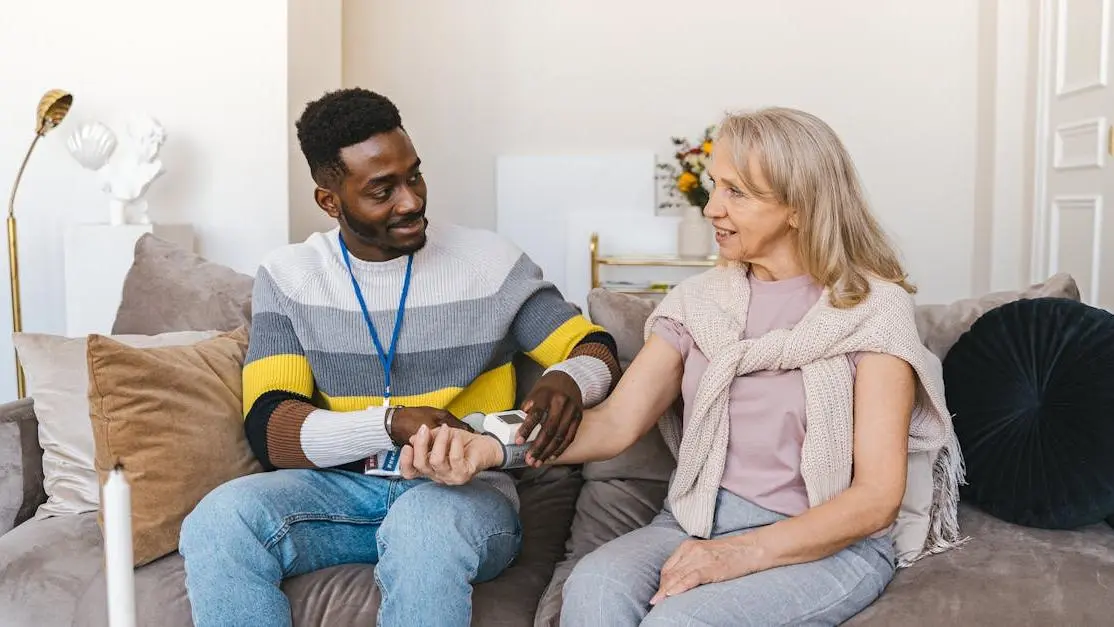
Medical volunteer opportunities can connect your skills with people who need them most—one-on-one and in real communities.
In this article, we break down seven ways you can provide real help, learn from peers, and work directly with local teams.
If you want medical volunteering that’s hands-on, ethical, and community-centered, you’ll find practical options and transparent guidance right here.
1. Medical Volunteer in Cambodia (IFRE Volunteers)
Stepping into the clinics of Cambodia, you’ll see just how vital your medical skills and energy can be. Opportunities range from hands-on clinical work to boosting health awareness in areas where resources are stretched thin.
What sets Cambodia apart for passionate volunteers:
- You get hands-on experience with local practitioners, treating real-world infectious diseases found across Southeast Asia. Your work has ripple effects.
- All clinics and accommodations are vetted. IFRE Volunteers has placed over 22,000 volunteers since 2006, so you’re stepping into a program with maturity and proven impact.
- High-need roles for pre-med, nursing, and public health students. Tasks match your skill level, protecting both you and the community.
- Safety and preparation matter—projects screen clinics, clarify expectations, and offer support on logistics like housing and emergency plans.
- Placement options include clinics, HIV/AIDS projects, and animal health initiatives, along with community education.
This path is for you if you’re eager to learn about tropical medicine, need hands-on hours, or want an authentic look at community-based healthcare in Asia.
Volunteer programs that integrate direct clinical work with host-led design make your impact sustainable and ethical.
Planning ahead? Ask for written role descriptions and supervision protocols, especially if you’re a pre-med. The most effective placements set clear boundaries and offer honest feedback, so your time benefits everyone.
2. Medical Volunteer Program in Tanzania – Arusha (IVHQ)
If you’re motivated to address global health disparities and want practical clinical experience, Tanzania offers real depth. You’ll get an up-close view of tropical medicine and learn from seasoned healthcare staff tackling challenges from maternal health to HIV.
Key advantages working in Tanzania:
- Volunteers partner with Tanzanian clinicians day-to-day, supporting real patient care and tackling true gaps—not just observing.
- Every month, fresh peer groups launch in Arusha. Choose from durations as short as one week, up to several months.
- Projects span public health campaigns, HIV/AIDS clinics, maternal and pediatric wards. You see both clinical and community health fronts.
- On-site supervision is built in. This isn’t a loosely-managed stint; you’ll know who to ask and get regular feedback on your contribution.
Placements are perfect for those wanting immersive cultural and clinical exposure, especially undergraduates, gap-year students, or early-career health professionals.
Safety and orientation happen before you land. Vaccines, insurance, in-country support—details matter.
- Accommodation: volunteer houses and homestays both available.
- Program fee transparency: always ask what’s included, and how your money supports local partners.
Curiosity drives results. Investigate whether local staff help design your role. Programs that empower Tanzanian partners with funding and evaluation ensure long-term success.
3. Healthcare Outreach and Education in Ghana – Accra Region (IVHQ)
Take on health education and grassroots outreach while learning from local leaders in Ghana. Instead of just behind-the-scenes work, you’ll join public health workshops, clinics, and direct community engagement—seeing change as it unfolds.
Why Ghana stands out for volunteers:
- You’ll create and deliver public health campaigns addressing urgent topics: sanitation, nutrition, mental health, maternal safety.
- Orientation and a network of peers support you every step, from pre-departure calls to on-site check-ins.
- Flexible timing (as short as one week), with accelerated exposure to health education—an uncommon blend for those wanting both one-on-one care and group teaching experience.
- Volunteers can stay in group housing, making it easy to connect and debrief after big days.
Look for programs providing interpreters or local co-facilitators, so your message lands with impact. The best experiences align with community priorities and provide measurable outcomes.
Safety is built in. Yellow fever vaccination is required for entry, and you’ll be briefed on everything from personal security to local emergency contacts.
Host-led content and cultural orientation make community health education more effective.
Powerful public health outcomes happen when volunteers respect and reinforce local expertise.
4. Medical Volunteer Program in Peru – Cusco and Lima (IVHQ)
If you want to combine hands-on healthcare learning with an immersion in Andean culture, Peru is your next stop. You’ll serve urban or mountain communities, supporting campaigns and public health drives, while also learning from Peruvian professionals.
Top reasons Peru is fit for motivated medical volunteers:
- Placement variety lets you choose between clinical shadowing, health education, vaccination drives, and direct patient care—each designed to match your qualifications.
- Projects address clear needs: malnutrition, hypertension, dental and eye health, and preventive medicine.
- Spanish-language skills help but aren’t required for every project; some include interpreters or bilingual coordinators.
- Safety protocols for altitude and rural health risks are established, with homestay or volunteer house options.
Fit for undergrads seeking observation hours, students wanting real community connection, or skilled practitioners ready to take on more.
For each campaign, clarify your scope and supervisor credentials. You want detailed role assignments and strong host involvement to make your efforts worthwhile—and sustainable.
Expect orientation covering not just healthcare, but respect for local culture and coordination with in-country partners.
Results matter more than quick fixes. The power of these programs is in the hybrid of hard work, practical learning, and cross-cultural teamwork.
5. Medical Volunteer Programs in Kenya (Gracepatt Eco Tours Kenya, Go Volunteer Africa)
Kenya stands as a training ground for health-conscious changemakers. You’ll support vital care on the frontlines of public, private, and mobile clinics, learning directly from Kenyan health experts.
Clear strengths of volunteering in Kenya:
- You engage with malaria, HIV, maternal emergencies, and trauma—emerging prepared for real-world challenges anywhere.
- Roles adapt to your experience, from clinic observation for students to direct outreach in mobile campaigns.
- Local host families offer full immersion. You’ll see and support the community’s daily life, creating stronger bonds and deeper awareness.
- Locations span Nairobi, Mombasa, Eldoret, Kakamega, and more. You choose your best fit—urban hospital hustle or rural clinic reality.
Expect every day to test both your adaptability and your drive. Resources can be limited, but community spirit is strong.
Prepare with the essentials: yellow fever certificate, up-to-date immunizations, and the humility to work under local supervision. Clear scope and transparent costs are non-negotiable. Effective programs direct fees to local staff and supplies, never to displace paid work.
The best results come when volunteers prioritize listening and skill sharing over doing it alone.
Growth happens when you adapt to new realities and center local needs, not your own agenda.
6. Medical Internships in the Philippines for Teenagers (Projects Abroad)
Ready to try your hand at healthcare before college? The Philippines offers teen-specific programs focused on exploration and growth in a safe, structured environment.
What makes these internships stand out:
- Full mentorship from local clinicians, with activities like blood pressure checks, community screenings, and public health education.
- Group stays with local host families. Peer support and cultural immersion make your learning personal and memorable.
- Strict safeguarding policies back every experience—think background-checked families, 24/7 support, and supervised activities suitable for teens.
- Perfect if you’re 15–18 and want firsthand clarity on whether health work suits you.
You’ll leave with a clearer sense of your future and practical tools you can build on. Each internship is managed with your safety and growth as top priorities.
Application is simple, with school-holiday-friendly options and sample itineraries you can review in advance.
A single week can spark lifelong curiosity.
7. Medical Outreach Volunteer Program in South Africa – Cape Town (VACorps, Medi Trip)
Cape Town pulls you in with a healthcare landscape that’s complex and demanding. Opportunities here give you exposure to infectious disease, trauma, and public health—under direct guidance of resilient local professionals.
Standout features to expect in South Africa:
- Rotate through hospitals, clinics, or NGOs. This isn’t shadowing from the sidelines—you’ll assist with patient exams and join in outreach.
- Orientation, peer support, and regular debriefs. You won’t be left guessing what’s next, and you’re never isolated.
- Real insight into HIV, TB, maternal care, and the infrastructure gaps shaping South African health today.
- Cultural humility is essential. The most effective volunteers ask, learn, and adapt their approach with local staff.
Accommodations cover safety and comfort, and placements are matched to your skills. Guidance is close and supervision is strict, so you always know you’re working within ethical boundaries.
Pick programs with active monitoring and post-placement feedback—those who measure their impact make bigger strides.
In high-need areas, staying teachable makes every hour more meaningful.
How to Choose the Right Medical Volunteer Opportunity
Momentum starts with self-awareness. Know what you want, then move quickly.
Align With Your Purpose
First, clarify your “why.” Is your goal to build clinical skills, serve a region close to your heart, or test a new field before diving deeper? The more specific, the better.
Match Skills to Setting
- Pre-med students: Start with observation or low-stakes public health roles.
- Nursing/Allied health: Opt for community clinics or education campaigns.
- Licensed professionals: Seek hands-on, teaching, or supervisor roles with built-in oversight.
Volunteer work is not “one size fits all.” Ask for written scopes and clear tasks.
Safety and Support
Check every box:
- Vetted accommodations
- Licensed supervisors
- Medical/travel insurance
- Pre-departure orientation and on-the-ground contact
Understand Costs
Transparent fees matter. Know what’s provided—housing, food, transit, insurance. Fees should directly support local partners and resources. Ask questions.
Take Action: Your Fast-Start Checklist
- Choose your core mission
- Set realistic travel dates
- Complete vaccines, gather documents, reference checks
- Review program scope, confirm supervisor credentials
- Plan questions for your host
Remember, you don’t need to wait for “perfect.” Start where you are.
The fastest way to real impact? Commit to one project and give it your full energy.
Looking for a way to get involved in your community?
Check out Gathr — a new app that makes it easy to find volunteer opportunities anywhere.
Find Opportunities →Conclusion
Your skills are needed everywhere—right now. Align your drive with local needs, step up for hands-on learning, and own your difference. The results will be felt long after you leave. Every hour you give, every question you ask, and every new connection you build moves the world forward. Take action with Gathr to channel your energy and start your journey to real-world impact, one person and one community at a time.