
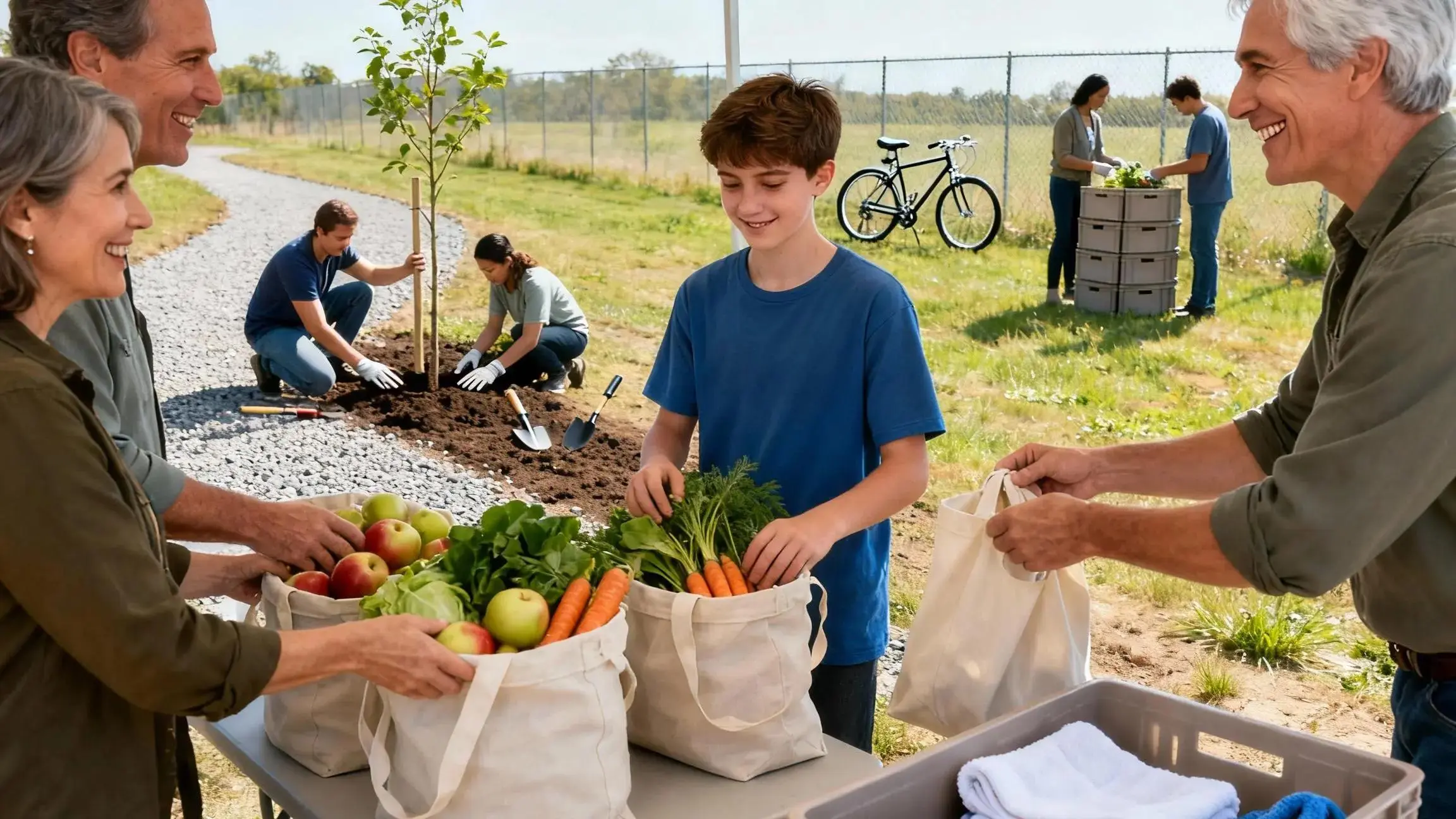
When you want to find volunteer opportunities that make a real difference, the options can feel endless but getting started may be overwhelming.
We know it’s not always clear how or where your skills fit, and it’s easy to wonder if one person’s help really matters.
This guide will help you:
- Identify ways to find volunteer opportunities that match your goals and lifestyle
- Understand the value of peer-to-peer volunteering for personal and community impact
- Learn how to evaluate and choose rewarding opportunities, from local acts to larger projects
Understand Your Motivation and the Impact of Volunteering
Why do you want to volunteer? Every journey to community involvement starts with a specific drive—and it matters. We see people searching for ways to contribute, grow, or find meaning every day. Yet hesitation creeps in. Do small actions stack up? Can new volunteers actually move the dial?
Top Real Reasons People Volunteer:
- Make a visible difference right away—not in years, but in days or weeks. Think: Furloughed Foodies, a volunteer group, delivered over 10,000 meals to hospitals.
- Build new connections—many joined local efforts for camaraderie, then stayed for the friendships.
- Learn or showcase real, practical skills. Mutual aid groups run everything from meal delivery to PPE production, all with volunteers’ unique skills.
- Fill a need fast. During the early COVID-19 response, over 750,000 people signed up in days. People want to help when urgency meets opportunity.
Community volunteering gives back, too. You build confidence, find purpose, and often spark your own social circle. Researchers found volunteers reporting less isolation and more belonging.
Peer-to-peer volunteering is direct: support flows right to neighbors or local causes, building real trust and fast impact.
Peer-to-peer platforms, like Gathr, remove barriers so you can help or get help quickly. Our community makes it easy to join a project or start one, without layers of approval or red tape.
Identify the Right Volunteering Opportunity for Your Skills and Interests
Finding the best role starts by knowing what excites you and fits into your actual week. Not every opportunity is a match. That’s good—you want something aligned with your energy, not draining it.
Reflect On These Key Questions
Consider your life, your time, and your talents honestly. Use your own strengths for the biggest impact.
Volunteer Fit Checklist:
- What causes motivate you? Maybe it’s food insecurity, climate action, tutoring, or disaster response.
- When are you free? List exact windows—Saturday mornings, online after 8pm, Monday afternoons.
- What can you offer right now? Jot down three key skills—driving, organizing, listening—or even non-technical traits like reliability.
- Where do you want to help—in person or virtual?
- Any practical limits? Look for roles that fit your accessibility needs.
Not sure yet? Many people combine hands-on help with skill-based volunteering. For example, you can do one-off meal deliveries while building toward a long-term community garden or tutoring project.
Opportunities fall into a few types—each has a best fit:
- Direct support: Shift at a pantry, remote tech help, or friendly calls. Great if you want to see results up close.
- Indirect support: Admin roles, social media posts, planning drives. Good for those with organizational skills.
- Advocacy and education: Raise awareness, translate materials, or run local outreach. Best for persuasive communicators.
People stick around, and big impacts follow, when they join roles that match their skills and schedules.
Explore Ways to Find Volunteer Opportunities Near You and Online
The right opportunity exists. Sometimes, it’s in your own backyard—a neighbor’s request, a call for help at a food bank, or projects posted online. Visibility is key.
You can find local or remote volunteer opportunities fast if you take these steps.
Rapid Pathways to Volunteer Opportunities:
- Check libraries, community centers, and local schools for flyers or bulletins.
- Connect through word of mouth—neighbors, friends, and social groups often know of urgent or hidden needs.
- Scour online directories, but remember, many positions aren’t even listed. Newsletters, Facebook community groups, and noticeboards get you closer.
- Use Gathr to browse live help requests, join grassroots efforts, and post your own skills. Gathr cuts out long wait times, connecting you to real people asking for real help, in real time.
- Save time by setting alerts for the causes or skills you care about most.
Most urgent community needs only reach visible helpers. That could be you. Stay active by combining searches online and locally, and prepare a quick summary of what you can do. It’ll streamline every step.
Learn How to Evaluate and Choose a Volunteering Role That Fits
Every role is not created equal. The best volunteering fit gives you a clear purpose, the right level of commitment, and support—or you burn out fast.
Take time to assess by using key steps.
Smart Strategies to Pick the Right Volunteer Role
- Attend a trial session or shadow a regular volunteer. You’ll know if it feels right immediately.
- Meet with the organizer. Ask about training, feedback, and who to contact for help.
- Review the commitment. Start and end dates, average hours, and holiday flexibility keep it stress-free.
- Find out how success gets measured. Solid groups share impact stats with volunteers.
- Confirm support for logistics: travel, insurance, and even practical needs like meals or childcare when relevant.
If you’re stepping into a mutual aid or peer-to-peer role, check for clear guidelines on escalation or support for vulnerable clients.
The best volunteer roles empower you with a clear path, backup when needed, and permission to pause or adapt your commitment.
Ask about how you’ll exit or change your involvement if life shifts. Long-term engagement only works when it works for you, too. Responsive programs, including those using easy management platforms, can help volunteers stay motivated and avoid burnout.
Make an Impact with Peer-to-Peer and Community-Driven Volunteering
Some volunteering experiences feel distant, but peer-to-peer action is immediate, personal, and energizing. When you volunteer this way, you build trust, fill gaps lightning-fast, and activate change right in your neighborhood.
Peer-to-peer volunteering is how a handful of local neighbors created support networks during the pandemic. It’s how Caring for Carers delivered over 6,200 meals and 1,000 snack boxes directly to NHS staff. These efforts weren’t corporate. They started quickly, grew with real community input, and scaled to serve thousands.
Personal, Practical Volunteering Wins:
- Deliver groceries or medicine right where it’s needed. This is often one of the first steps and helps the most vulnerable.
- Use your tech skills to support someone learning online tools. Teens and retirees both joined these digital efforts.
- Launch or join a community garden. This often begins with a few friends and becomes a neighborhood staple.
- Collect and sort donations with a small, reliable team. Many mutual aid efforts that started this way received micro-grants, doubling their impact.
Your specific skills, no matter how simple they seem, can fuel something bigger. Keep records, connect with coordinators, and don’t hesitate to invite others—intergenerational teams get more done.
When everyday people keep it neighborly and efficient, peer-led projects change lives fast.
Overcome Barriers and Start Volunteering Today
Everyone worries about doing enough, knowing enough, or having enough time. We get it. Here’s the approach: everyone starts small, often with doubts, but small actions add up.
Start with a one-off project, pair up with a friend, or respond to a neighbor’s request. Use our Gathr app to see what’s needed nearby or post help you can offer. A lot of volunteers wanted to do more after a single delivery—confidence and satisfaction compound quickly.
Simple Solutions for Volunteer Roadblocks:
- Don’t see the right fit? Post what you can do or check back—short-term needs change daily.
- Concerned about background checks? Many roles offer provisional approval or self-certification for basic help.
- Short on time? Focus on micro-volunteering. Even an hour counts—measured hours and tracked outcomes motivate further involvement.
- Nervous about starting alone? Research shows that inviting just one friend or joining an existing group boosts follow-through and comfort.
Look for roles that offer clear recognition, reimbursements if needed, and flexible scheduling. Everyone, from busy parents to students, finds their entry point—and usually stays longer than planned.
Success Stories: Real People, Real Impact
Real volunteers shape communities. We’ve seen families organize weekly food drop-offs—40 bags at a time—and students start tutoring groups after school. In one local project, a small team formalized their ad hoc meal deliveries, secured a grant, and created a weekly community kitchen.
Across different cities, volunteers of all ages built group chats, managed central hotlines, and handled everything from admin to PPE production. In one example, a mutual aid online shopping team supported 150 regular users—neighbors helping neighbors, using nothing more than basic tech and trust.
This is peer-to-peer impact in action. Volunteers report more meaning, a deep sense of belonging, and plenty of new skills—from project management to creative problem-solving.
Small, steady actions multiply into massive wins for wellbeing and connection.
Frequently Asked Questions About Finding Volunteer Opportunities
When you want to get involved, plenty of questions pop up. You’re not alone. Here’s what most people ask before they jump in.
Top Questions Answered:
- How much time do I need? Many roles are flexible—pick micro-tasks or commit weekly.
- Can I help from home? Yes. Virtual tutoring, admin, and tech help are everywhere.
- Is training provided? Most groups, especially those using platforms like Gathr, offer onboarding and safety basics.
- What if I feel unqualified? Start with supervised or one-off tasks. You’ll build up with support.
- How do I bring a friend? Invite them to join a shift or create a mini rota—peer encouragement keeps you engaged.
- What about background checks? Ask about provisional roles or help that doesn’t require them.
- Not hearing back? Follow up, offer a tighter time window, or use Gathr to discover urgent, live requests.
Look for transparent leadership. Ask if insurance or local guidelines are covered—safety matters, even for small acts.
Looking for a way to get involved in your community?
Check out Gathr — a new app that makes it easy to find volunteer opportunities anywhere.
Find Opportunities →Conclusion: Start Small, Connect Deeply, Make a Difference
Finding your place as a volunteer starts with a single action that feels right and matches your life. You don’t need to overhaul your routine. Join a project that excites you or fills a real need through Gathr or your local network. Every hour and every helping hand matters.
When you connect with a cause, a person, or a project—even in a small way—you build lasting community strength. Start now. Every act you take helps shape the future. Your community is waiting. Let’s make a difference together.