
Good volunteer opportunities shouldn’t be hard to find or complicated to start. Many of us want to make a real difference for our neighbors, not just support big organizations from a distance. This article lists 13 practical, people-centered ways you can help directly—whether you want to support families, clean up your neighborhood, tutor a student, or drive someone to an appointment. Each option is built for local action and lasting impact.
1. Respond with the American Red Cross Disaster Action Team
Stepping up when disaster strikes is one of the most immediate ways you can help. American Red Cross Disaster Action Teams (DAT) support families facing sudden emergencies like home fires, providing tangible relief and human connection in crisis. This is the front line of local disaster service. DAT volunteers work in highly coordinated teams and get extensive training, making this role rewarding for those who want to see direct, measurable results.
Top Facts That Set This Role Apart:
- Volunteers fill about 90 percent of DAT positions, handling over 65,000 disasters per year, most frequently home or apartment fires.
- You get clear shift expectations, robust training, and flexible on-call options, so you stay ready—even if your schedule is unpredictable.
- Roles include Disaster Action Team response, shelter support, supply logistics, client intake, and longer-term casework. As you gain confidence, leadership and preparedness educator tracks open up.
- Ideal if you’re calm under pressure, a great team player, and want a path to greater responsibility.
- Being the person who meets a family on their hardest day changes everything for them—and will change you, too.
Volunteering with a structured team multiplies your impact and brings out your leadership.
2. Support Your Local Food Bank through Feeding America
Food banks are a community’s backbone, especially during uncertain times. When you volunteer with a local pantry or food bank, you deliver immediate, practical help—no special expertise required. You work in direct contact with your neighbors, building trust through action, not just words.
Ways You Make a Measurable Impact:
- Sorting, packing, client intake, delivery routes, language support. Many shifts are family-friendly and offered year-round.
- Your time seals the gap in resources, increasing meals distributed and freeing up funds for even more outreach.
- Volunteering isn’t just for holidays; after the rush, food banks count on steady, recurring helpers to keep shelves stocked and doors open.
- Perfect for busy folks, families, or anyone looking for effortless entry into service without lots of training.
- Even a modest shift directly increases your neighborhood’s food security.
Working with Feeding America, you become the human link in a nationwide chain fighting hunger—one box at a time.
3. Join a Community Cleanup in Your City
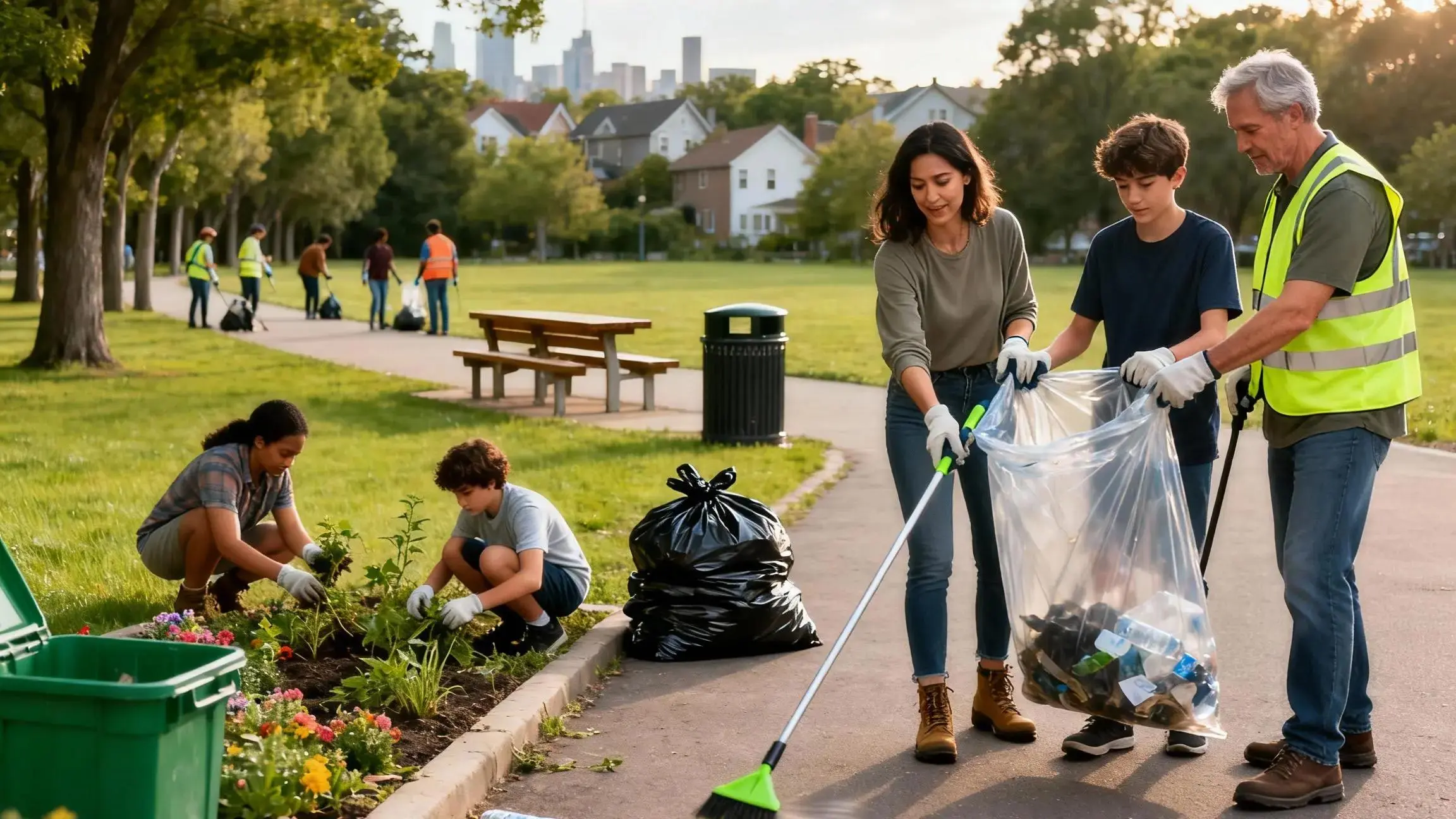
Small, local cleanups transform neighborhoods fast. Community-minded people like you keep public spaces healthy, welcoming, and beautiful. All ages can jump in, and even a single cleanup shifts the energy on your block.
Top Actions for Clean Sweep:
- Adopt a block, rally neighbors for a micro-cleanup, join city-supported events, or log your own recurring project.
- Supplies often come free from city partners, so it’s easy to organize without spending much or waiting on approval.
- Results are tangible—bags collected, before-and-after photos, cleaner streets to enjoy.
- This is ideal if you want quick wins, schedule flexibility, and chances to inspire kids or new neighbors.
- Use Gathr to post cleanup requests, gather helpers, and track progress together. Real neighborhood change happens in small, regular actions.
Every micro-cleanup is proof that consistency, not size, solves community problems.
4. Grow Food Security with Urban Agriculture and Community Gardens
Growing food where you live puts control and care into community hands. Urban agriculture and local gardens nurture green skills, improve climate resilience, and make fresh produce more accessible for all.
Why Urban Gardening Works
- You plant, water, compost, harvest, and distribute—learning shoulder to shoulder with your neighbors.
- Efforts translate into pounds of produce for food banks or sliding-scale farm stands.
- Seasonal rhythm keeps involvement fun and not overwhelming. Weekly workdays or harvest routes build healthy patterns.
- These spaces double as climate resilience hubs, absorbing stormwater and supporting pollinators.
- Parents, students, and elders all contribute, sharing skills and strengthening social bonds.
Find garden workdays, join harvest teams, or build your own neighborhood patch with urban agriculture tools and support. Building food security starts right outside your door.
5. Tutor or Mentor a Student One to One
Academic support changes the trajectory for one person at a time. One-to-one tutoring delivers measurable gains in confidence, reading skills, and school success—especially when you commit consistently week after week.
Why This Role Delivers Results:
- Roles include reading buddy, homework helper, math coach, or academic mentor with typical commitments of 1 to 2 hours per week per semester.
- Direct, repeated support builds trust and closes opportunity gaps quickly.
- The biggest gains appear with steady, trained tutors who work to school standards.
- Especially effective for those who are patient, reliable, and energized by seeing growth over time.
- Consistency is everything. When you commit, kids thrive—and so will you.
6. Drive Neighbors to Appointments through Volunteer Transportation
Lack of transportation is one of the biggest hidden barriers to health and stability. Volunteer drivers solve this, making rides to medical appointments, food banks, and essential errands possible for older adults and people with disabilities.
Key Benefits of Giving Rides
- Trips are flexible and one-to-one; you can wait to ensure your rider returns safely.
- Programs screen and support you, so you feel prepared and confident.
- These rides reduce missed appointments, improve health outcomes, and break down isolation for those with mobility challenges.
- Perfect if you’re a safe driver, enjoy one-to-one connection, and want start-and-finish clarity in your service hours.
By giving someone a lift, you often give them a lifeline.
7. Be a Friendly Visitor or Companion for Older Adults
Sometimes, the greatest gift you can give is your presence. Friendly visiting and companionship programs reduce loneliness, promote independence, and help older adults age in place safely.
What to Expect and Why It Rocks:
- Weekly visits or calls, light chores, simple tech help, or just sharing conversation.
- Programs match by interest so every visit brings value and comfort.
- A great fit if you like structure, steady routines, and getting to know someone deeper.
- Qualitative benefits are huge—social connection, emotional wellness, and early detection of bigger needs.
- Volunteers receive guidance on safety, boundaries, and dementia-friendly interaction.
Consistent social connection is one of the strongest determinants of well-being for older adults—your participation matters.
8. Volunteer at a Hospital to Support Patients and Families
Hospitals are intense places. Volunteers bring relief, kindness, and practical support right where it counts. When you volunteer at a hospital, you improve patient experiences, streamline patient flow, and make family visits less stressful. Expect clear expectations and defined roles.
Hospital Volunteer Roles That Matter:
- Patient greeting, family liaison, unit support, running errands, or administrative help.
- Most hospitals require a background check, immunizations, orientation, and a uniform.
- Consistent shifts lead to more responsibility and specialized roles; it’s structured, safe, and direct.
- Great for people who like organization and supporting patients without clinical training.
- Your presence lets nurses and doctors focus on care—patients and families remember that.
Volunteering in healthcare settings develops new skills while supporting people at their most vulnerable.
9. Help at a Local Animal Shelter
Animal shelters need real, hands-on help every day. You can walk dogs, comfort cats, clean, help with laundry, or assist at adoption events. Fostering animals for a few weeks frees up space and gets pets adoption-ready.
How You Move the Needle at a Shelter
- Shelter volunteers make anxious animals more adoptable and help lower length of stay.
- Programs give thorough orientation for handling and safety, so anyone can be successful.
- Both families and teens can participate (with some age requirements).
- Specialized skills like photography or event staffing are gold for increasing adoption rates.
- Showing up reliably means animals have better socialization and a smoother path to a new home.
You see immediate results—animals happier and more adoptable thanks to you.
10. Serve on a Local Nonprofit Board or Advisory Council
Want a bigger impact and have leadership skills? Nonprofit boards need proactive members ready to lend strategic know-how, financial savvy, or community insight. Your input guides mission, growth, and community trust.
What Board and Advisor Volunteers Deliver:
- Governance, fundraising strategies, financial oversight, and ambassador roles.
- Expect multi-year commitments with regular meetings and prep work.
- Small organizations especially rely on board members to unlock networks and solve compliance or program-design challenges.
- Being an active board member multiplies an organization’s impact—perfect for those who like responsibility and legacy.
- Strong boards ensure smoother operations and better use of resources.
Your perspective may be what a local nonprofit is missing to reach the next level.
11. Organize or Staff Community Fundraisers and Events
Fundraisers and local events drive support and build momentum. When you help set up, marshal routes, manage registration, or handle hospitality, you not only raise funds but also strengthen community connections.
How You Drive Local Success:
- Clear event role descriptions and flexible shifts make volunteering easy for first-timers.
- Digital promotion and in-kind donation coordination amplify turnout and effectiveness.
- After-event debriefs help improve future events and track funds raised or new volunteers recruited.
- This is perfect for organizers, outgoing types, or anyone wanting visible results in less time.
- Gathr makes it easy to post real-time needs, recruit for specific shifts, and log impact together—bringing order and fun to community projects.
Well-run events start small, but the energy and new connections last.
12. Join Education and Reading Initiatives in Afterschool Programs
Afterschool programs make a difference beyond the classroom. You can help with homework, lead reading circles, or run enrichment clubs. Consistent support improves attendance and builds literacy skills.
Why Afterschool Help Is High-Impact
- Programs with high structure and feedback show the biggest growth for students.
- Volunteering in small groups builds rapport and lets kids develop social—and academic—confidence.
- Family engagement and consistent sessions help sustain gains.
- Great for those who thrive on group energy and want to combine tutoring with creative activities.
Afterschool programs need steady hands and positive role models. Become both, just by showing up.
13. Connect People to Resources through 211 and Homeless Services
Resource navigation is a power move for local change. When you join information sessions, staff resource tables, or help with benefits enrollment, you take frustration out of getting help.
How Navigators Make a Direct Impact:
- Volunteers help people connect with food, legal help, and housing, smoothing the path to stability.
- Bilingual volunteers expand impact—many neighbors need translation and guidance to access services.
- These roles require good follow-up and a focus on privacy.
- You see outcomes, track applications, and help identify service gaps, fueling better programs for everyone.
Direct navigation means someone gets help faster and more confidently because of your guidance.
Looking for a way to get involved in your community?
Check out Gathr — a new app that makes it easy to find volunteer opportunities anywhere.
Find Opportunities →How to Choose Good Volunteer Opportunities That Fit Your Life
Choosing your path starts with a clear look at your time, energy, and style. Every person brings unique value when they volunteer. The best fit feels sustainable and uses your strengths—without draining your resources.
Tips for Finding Your Volunteer Match
- Start small: One hour per week or a single shift keeps things realistic.
- Use Gathr to connect with neighbors, offer rides, start a micro-cleanup, or create a recurring tutoring session. Our app lets you activate help at your pace.
- Consider what energizes you: Prefer outdoors? Join a cleanup or garden. Like structure? Choose hospital or board service. Thrive on support? Tutor, drive, or visit someone.
Small, steady actions transform communities. Consistency counts more than grand gestures.
Find what fits. Grow it over time. When you’re ready for direct, peer-to-peer impact, Gathr is ready to help you make it happen. Start changing your corner of the world today.