
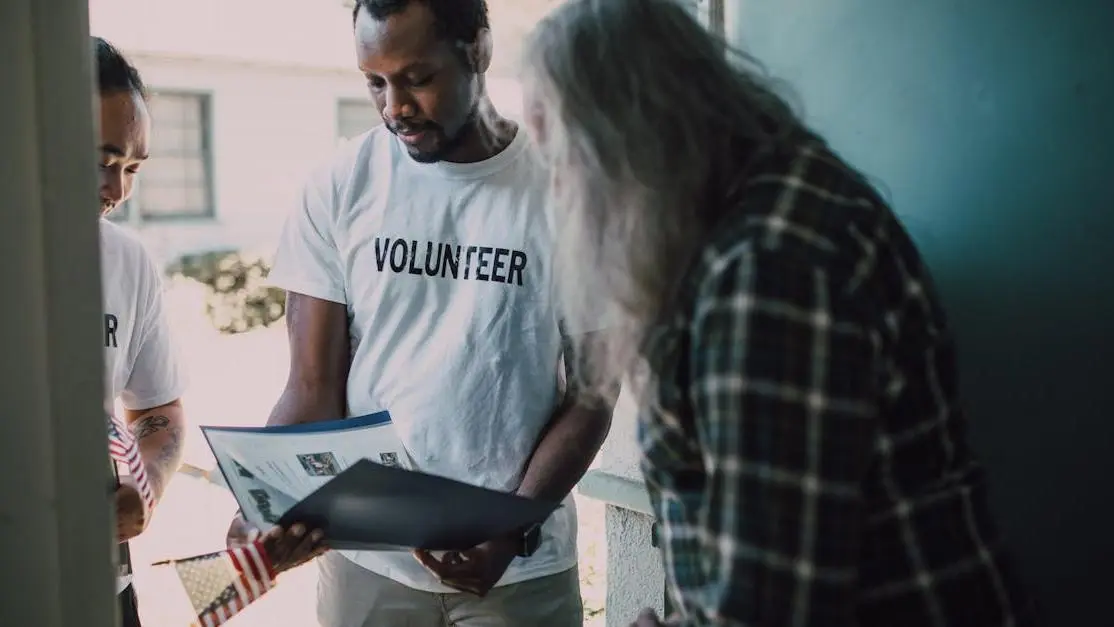
We see how becoming a samaritan volunteer can feel both urgent and overwhelming—so many people need support, and yet getting started often seems like a big step.
You want to be present for others and know your time truly matters.
That’s why we’ve created this guide to help you navigate:
- What being a samaritan volunteer really means and how you can get involved today
- The real-world impact peer-to-peer listening brings—no experience required
- The application, training, and first-shift experience you can expect
Understand the Role and Impact of a Samaritan Volunteer
Ready to make your time count? Becoming a samaritan volunteer is a commitment to showing up for people in crisis and distress—one conversation, one message, one shift at a time. You don’t need special credentials. You need empathy and boundaries.
Key ways samaritan volunteers create real impact:
- Direct, peer-to-peer support in real moments of crisis. Volunteers provide active listening to people dealing with depression, loneliness, abuse, debt, or suicidal thoughts. Every answered call or message can change the trajectory of someone’s life.
- Massive collective reach. A single UK branch, like Eastbourne, saw its volunteers handle 19,218 phone calls in a year, with over 5,845 phone-hours. Nationwide, volunteers answer over 900,000 hours annually—each one a chance to intervene before things spiral.
- Anyone can do it—and every person counts. Age, career background, or even your own history with distress does not disqualify you. The only barrier? Willingness to listen and respect confidentiality.
- Flexible support channels. Volunteers help by phone, email, and chat, adapting as digital channels outpace walk-ins. Even when face-to-face services stopped, engagement rose.
You join the backbone of support services, meeting people where they are. As volunteer numbers go up, more calls get answered, more people reach hope.
Volunteering delivers a ripple effect—every hour you give catches someone who might otherwise slip through.
Why Choose to Volunteer as a Samaritan?
People like you step forward for different reasons. Maybe you want to give back after facing your own struggles. Maybe you need meaningful connection, or you’re ready to push past surface-level giving. At Gathr, we see these motivations every day—real people want to fuel real change and gain skills that last a lifetime.
Volunteer Benefits That Go Both Ways
You are not only giving, but also gaining. Here’s what stands out:
- Sense of purpose. Volunteers describe feeling more motivated, resilient, and valued after their first months. Being recognized for making a difference is its own reward.
- Tangible new skills. You pick up active listening, emotional regulation, and critical thinking. These skills carry you forward—on the job, with friends, or in your own tough moments.
- Deeper connections. Long-term volunteers report friendships that last years and a true sense of shared mission.
- Confidence from support. Structured training and mentorship create real psychological safety. You get feedback and backup so you aren’t left in the deep end.
Feeling nervous about the “emotional weight” or not knowing what to say? That’s normal. Training gets you ready before you ever take a call.
Volunteering is a risk worth taking—it transforms lives, not just for those calling, but also for those answering.
Who Can Become a Samaritan Volunteer?
You might think volunteers need a perfect background or mental health training. That’s a myth. Organizations want people from all walks of life—uniqueness is a strength.
What’s actually needed:
- Empathy and reliability. If you care about people and show up when you say you will, you’re a great fit.
- Respect for boundaries and confidentiality. Volunteers never share what happens on shift. Crisp boundaries protect everyone.
- Openness to learn and adapt. Training covers active listening, risk assessment, and digital protocols for remote volunteering.
What about your history? Prior use of support services (even recent) often helps your empathy—branches assess every situation individually. Some roles start as early as age 15 for teens, no night shifts required. If you have a criminal record, policies are case-by-case.
Requirements for remote roles: Reliable computer, headset, solid internet, and a quiet, confidential space.
The Application and Training Process: What to Expect
Taking action begins with a clear process. You’re not tossed in solo. Each step builds confidence and readiness.
Typical steps to join:
- Enquiry/form submission. Start online through your national hub or local branch.
- Information session. You learn about expectations, ask questions, and see if the vibe fits.
- Interview and background checks. Assess for empathy, boundaries, and commitment.
- Comprehensive training. Sessions often span several weeks and cover:
- Active listening and empathic response
- Risk assessment and safeguarding
- Handling digital contacts
- Healthy boundaries and confidentiality
- Mentoring. You shadow experienced volunteers, handle calls together, and get feedback.
- Probationary shift. Test your skills with backup ready for tough moments.
Regular refreshers and reflective practice ensure you stay sharp and never feel alone during difficult shifts.
Structured, evidence-based training is your shield—backed by proven outcomes that show a reduction in caller distress and risk.
What Is It Like on Your First Shift?
Most new volunteers feel excited and a bit nervous. That’s natural. You’re not alone—mentors are there, and support is constant.
On your first call, you might simply listen as someone works through loneliness or heartbreak. Sometimes, callers leave calmer or more hopeful, even if nothing is “fixed.” Every shift is unique. Some conversations stay with you for days, while others wrap up with a laugh.
What to expect on shift:
- Active listening in practice. Calls, emails, or texts. One at a time. Each gets your full attention.
- Team support. Shift leaders and peer volunteers provide backup and practical advice.
- Wide range of emotions. You’ll hear gratitude, relief, and sometimes sadness. After a tough call, expect a debrief—reflect and reset before the next shift.
- Real growth. Over time, you’ll see your confidence, resilience, and empathy level up.
You won’t always know if you’ve “saved” a caller, but every volunteer hears these words eventually: You helped me get through tonight. That’s all the proof you need.
Time Commitment and Flexibility: What’s Required?
Being a samaritan volunteer fits around real life. We know flexibility matters. It should never feel impossible to contribute.
A typical ask is one weekly 3–4 hour shift plus an overnight shift each month for adults. Teens may volunteer from age 15 with fewer shifts and no overnights. Commitment varies by branch and role, so always check upfront.
Remote shifts are more common now. If you’re set up at home with a reliable computer, headset, internet, and private space, you can serve from anywhere. That means less commute, more impact.
Volunteer time, real results:
- Consistent effort beats intensity. Volunteers averaging weekly shifts at Eastbourne handled 5,845 phone-hours in a year—that’s capacity you can help grow.
- Night shifts matter. They fill the toughest gaps, often supporting people at their lowest. If you can do overnights, you multiply your impact.
- Life happens; you can pause. Good organizations encourage you to step back if needed, take breaks, or adjust your schedule. Shift planning supports your health as much as those you’re serving.
Being reliable is what matters most—every shift covered is one more call answered.
Measuring Your Impact: How Samaritan Volunteers Save Lives
Impact in this work means action. It’s not theoretical. Every missed call when shifts are short means a lost chance. Every volunteer added is more real-time support for someone reaching out.
Here’s what measurable, peer-to-peer impact looks like:
- Volunteers in one branch logged 19,218 calls annually—the difference between a lifeline and silence for thousands.
- Nationally, Samaritans volunteers clocked nearly 900,000 support hours. Every extra team member raised the proportion of calls actually answered.
- Trained volunteers, especially those completing ASIST-like programs, directly reduce distress, hopelessness, and suicidal feelings during calls. This is proven in systematic reviews.
You might never hear “You saved my life.” Still, you’ll often recognize it in gratitude, or in a sudden moment when a caller shifts from despair to relief. The data backs the difference.
Every action you take—every shift, every call—is a step toward saving a life.
Addressing Common Myths and Concerns
There are lots of myths out there. Let’s apply real talk.
- Only mental health professionals qualify: Not true. Training and lived experience matter more. Volunteers get the same outcomes as paid staff, as long as support systems are in place.
- It’s emotionally draining: Training, supervisors, and team practice keep you safe. Reflective sessions and peer debriefs are routine, not rare.
- You need endless free time: Most roles ask for just one shift a week and flex for your needs. Parents, students, workers—all have a place.
- My background isn’t perfect: Prior mental health experiences or even criminal records are reviewed case-by-case. You’re not stuck. Policies let you in if you show commitment and good judgment.
Most fears fade with the support systems built in. Once you gain confidence and see your own growth, doubts become motivation.
The courage to care for strangers turns doubts into your next achievement.
How to Get Started and Take the First Step
Ready to step up? It’s easier than it looks. You don’t need to overhaul your calendar or transform your personality. Start with curiosity and commitment.
Check your readiness:
- Do you have 3–4 hours a week for others?
- Are you willing to learn something new?
- Is confidentiality second nature to you?
- Can you set up a quiet space if volunteering remotely?
Visit the Samaritans UK Volunteer Page, U.S. Volunteer Form, or check out flexible, peer-powered options on Gathr. Jump into an online info session and complete a form. If there’s a waitlist, get on it now—shifts open fast as new calls come in.
Our platform, Gathr, exists for this moment. If you want freedom to help where and how you choose, you’ll find instant-impact projects and real connection. Support local people, rally others, or create change on your terms. Saying yes today means someone else gets help tomorrow.
The only wrong move is not starting.
Looking for a way to get involved in your community?
Check out Gathr — a new app that makes it easy to find volunteer opportunities anywhere.
Find Opportunities →Conclusion: Step Up and Make Change Happen
Stepping into the role of a samaritan volunteer changes more than one life. It amplifies courage and community on both sides of every conversation.
You don’t need special words or special experience. You need care, consistency, and the decision to show up. Choose your first step now—commit to the process, sign up, check out Gathr, or spread the word.
Let’s do more than wish for change. Let’s deliver it together.