
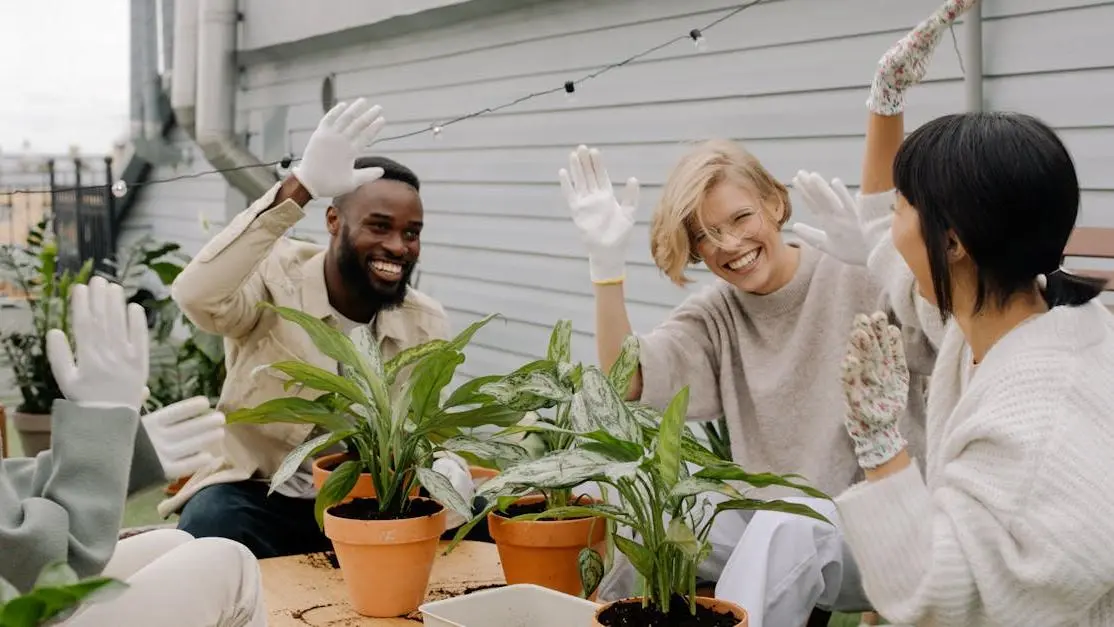
Volunteer appreciation often feels like an afterthought, yet it’s the small, personal gestures that sustain real community momentum.
If you care about honoring peers, building trust, and making a direct difference—without relying on corporate programs or big budgets—this list is for you.
We share creative, practical volunteer appreciation ideas so you can strengthen connections and make kindness a lasting part of your neighborhood’s DNA.
1. Personal Thank You Phone Calls that Catch People Doing Good
A fast, heartfelt phone call packs a punch. When you’ve got neighbors putting in extra hours or stepping up when it counts, real-time, personal thanks can supercharge morale and drive repeat action. If you want to boost retention and create a ripple of motivation, direct recognition works wonders.
What makes this effective?
- Timeliness: Calls within 24–72 hours of the good deed stick better. A recent impact lingers and feels more genuine.
- Specificity: Name the exact action, link it to its ripple effect, and let them know it mattered. Don’t generalize or use generic praise.
- Retention proof: Volunteers who report “a lot” of felt respect are dramatically more likely to stick around long-term. This isn’t theory—it’s grounded in 10–20-year longitudinal data.
- Great fit for: Quiet doers who value relational trust, not fanfare.
- Actionable tip: If a call isn’t feasible, a voice note with real details (not a template) delivers similar energy.
When you make thank-you calls part of your weekly rhythm, it’s not just about being nice. You reinforce desired behavior, strengthen community ties, and set up powerful peer-to-peer standards.
Real-time, targeted calls turn fleeting effort into lasting engagement.
2. Handwritten Notes and Postcards with Specific Impact
When’s the last time you received a handwritten note? For most people, a physical card or note personalized to a real moment in their volunteering journey creates a lasting sense of being “seen.” It cuts through the digital noise.
Ideas for maximum impact:
- Include their name, a specific moment, and the real-world effect their action had.
- Match the format to the moment: Postcards after a park renewal or mini-thank-you cards for microshifts at a pantry.
- Leverage recycled, seed, or local paper stock for those who care about environmental impact.
- Best for volunteers who value mementos and find public praise uncomfortable.
Key research here: A single line about a unique detail, especially one only the volunteer would recognize, has outsized power to motivate. People keep these notes for a reason—they trigger pride and real connection.
3. Micro Impact Reports Tailored to Each Volunteer
If you want your gratitude to fuel retention, show volunteers the outcome of their effort. Don’t send generic updates. Micro impact reports do more than track hours—they convert data into personal proof of value.
What should you include?
- Before/after snapshots, one concrete metric, and a human story.
- Choose the right channel: Text, email, or a mobile app update—wherever your people are.
- Ideal for data-motivated, remote, or first-time volunteers who crave encouragement.
People respond to impact over input. This isn’t guesswork. Personalized data shows volunteers exactly how their actions drive mission impact, which spikes engagement for repeat actions.
Keep it shareable and short: bullet-point the facts, use a photo, and let your volunteers see their part in the bigger picture.
4. Volunteer Spotlight Stories in Your Newsletter and Feed
Stories move people. Shining a light on individual volunteers in your newsletter or feed does two things at once: it celebrates members and helps others see themselves in the work.
A great spotlight includes these essentials:
- First name, relatable photo (with consent), one-sentence summary of what they did.
- Include a “why” statement and a fun fact or quote.
- Publish in your community newsletter, local Facebook group, or pin to your Gathr feed for extra reach.
Peer-driven, authentic storytelling is recruitment rocket fuel. When neighbors read about people like themselves, unfamiliar or intimidating roles suddenly feel approachable. Keep the format consistent and quick to produce.
5. Short Thank You Videos from Neighbors and Beneficiaries
A 45-second selfie video or even a simple audio thank you can land where words or emails fall flat. People want to hear directly how they made a difference.
Best practices for great thank-you clips:
- Say the volunteer’s name.
- Mention the activity and describe its impact on the community or individual.
- Send it privately, post in small group chats, or upload to your Gathr community feed.
If privacy is a concern, a voice-only thank you or anonymized, captioned text works well. Short videos pack authenticity, are easy to make on a phone, and get more shares than text.
A short, direct thank you on video creates human connection, not just task completion.
6. On the Spot Recognition Moments that Stick
Your neighbor scrubs a graffiti wall, or someone pulls double shift at a food drop. Say thanks right there, in the moment. Nothing beats spontaneous appreciation.
Here’s how to do it well:
- Give a five-second shoutout during team huddles or shift wrap-ups.
- Post instant micro-updates to your Gathr feed.
- Use sticky-note boards at events or quick digital badges for same-day wins.
Keep it fair. Rotate who leads and who gets called out. Track acknowledgments so no one gets left behind.
Peer recognition in real time creates healthy feedback loops. It sets a shared standard and builds sustainable energy.
7. Shareable Digital Badges for Skills and Milestones
Badges are about more than attendance. They show growth, skill development, and help people own their progress—especially students or job seekers.
To make digital badges hit:
- Make badge names direct and meaningful.
- Include data like issue date, skill, and proof of achievement.
- Use platforms where badges can move easily onto LinkedIn or in chats.
Go beyond “hours served.” Recognize safety skills, logistics mastery, or steady attendance. Badges work because they’re portable, verifiable, and tie personal development to volunteer impact.
8. Skill Swap Workshops Led by Volunteers
There’s nothing more energizing than learning from peers. Whether it’s bike repair, native plant care, or logistics for first-time project stewards, peer-led skill swaps boost community knowledge and signal high trust.
How to make swaps work:
- Run quick, hands-on sessions (about an hour).
- Offer micro-grants for supplies or a mini honorarium to value instructors’ time.
- Collect a takeaway from each participant and a reflection from the lead volunteer.
Skill swaps build two-way appreciation. Volunteers feel seen not just for labor, but for expertise. These events also create pipelines for new leaders and bring fresh talent to the community.
9. Playful Awards Night with Quirky Categories
Recognition can be fun and build camaraderie. Don’t just reward the “most hours.” Throw a playful, memorable awards night:
- Feature custom categories like Best Snack Logistics, Muddiest Boots, or Data Whisperer.
- Use DIY certificates, donated goods, or even edible prizes from local bakeries.
- Mix humor with a serious impact takeaway—a specific result, not just applause.
Max out inclusion by allowing nominations from anyone and offering both in-person and virtual attendance. Playful awards make everyone feel like a unique part of the group.
Recognition rituals matter most when they balance meaning and fun.
10. Eco Mindful Appreciation Gifts that Give Back
Physical gifts should reflect your community’s values. Thoughtful, eco-friendly gifts say thank you while supporting causes your volunteers believe in.
You make an impression when you give:
- Native seed packets for environmental projects.
- Locally roasted coffee with a handwritten tag after long shifts.
- Practical field kits (gloves, reusable bottles) packed with minimal waste.
- A donation in the volunteer’s name to a hard-hit neighbor or hyperlocal fund.
Best for: Teams that care about sustainability and mission alignment. Let people opt out or pick a donation if they prefer. Track sourcing, use recycled materials, and keep packaging light. Show you are serious about reducing waste and keeping impact meaningful.
11. Social Media Filters and Share Packs Volunteers Love
Don’t just recognize volunteers—help them tell their story. Social filters and digital share packs make it fun, easy, and safe to spread the word about community wins.
What to include for maximum sharing:
- Photo frames, simple story templates, and captions featuring real impact stats.
- Alt text guidance for accessibility.
- Reminders about consent and privacy.
These packs boost volunteer advocacy and drive new sign-ups. Skip geotags for sensitive projects, and keep everything opt-in.
A strong share pack means more neighbors see themselves joining your next supply run, cleanup, or workshop. Help good work go viral for the right reasons.
12. Gratitude Walls and Digital Recognition Boards
Recognition works better when it’s visible. Create walls where volunteers, neighbors, and even beneficiaries can post short thank you notes, pictures, and micro-stories.
Choose what fits your space:
- Cork boards in local centers.
- Pop-up chalkboards at event sites.
- Rotating digital walls for remote or hybrid programs.
Swap out stories weekly. Use prompts to spark deeper thanks (“Describe a moment a neighbor made your work easier.”). Add QR codes for deeper dives into impact reports or spotlights. Host both public and anonymous submissions to protect privacy when needed.
A living wall of gratitude keeps appreciation top of mind year-round.
13. Insider Access to Mission Moments and Behind the Scenes
Give volunteers a peek at the big picture. Offer tours, briefings, or early looks at upcoming projects—like a walk-through of the next community garden or first dibs on disaster response prep.
What works well here:
- Keep events short (no more than 45 minutes).
- Bring in an expert, share one live success story, and allow space for questions.
- Follow up after with a thank you note and a micro-impact report.
Best for people who want to understand the “why” behind every action. This kind of transparent access fosters trust and turns helpers into ambassadors.
14. Peer to Peer Shoutouts and Gratitude Circles
Top-down recognition can get stale. Build rituals where volunteers thank each other. At the end of each shift, gather for a circle where everyone names a peer’s specific contribution.
You can:
- Use in-person shoutouts.
- Start a group chat thread for rapid-fire digital thanks.
- Rotate who leads so quieter people get spotlighted too.
When you weave peer appreciation into your Gathr community feed, you lift up the full fabric of mutual aid. Strong teams come from acknowledgment at every level, especially by peers.
15. Learning Credits and Career Boosts as Appreciation
Sometimes the best thanks is investing in a volunteer’s growth. Offer access to online courses, a learning resource pool, or public skill endorsements.
Practical moves:
- Subsidize a short skills course (first aid, mediation, data skills).
- Share specific learning credits or coaching sessions.
- Co-sign transferable skills on LinkedIn or reference letters.
This is perfect for students, job-seekers, or those re-entering the workforce. You help them professionally while honoring their time and effort.
16. Impact Focused Milestone Recognition over Hours
Move beyond tallying hours. Celebrate what matters, like families stabilized, trees thriving, or students mentored to real milestones.
Create rituals:
- Share the evidence—a before-and-after photo or impact stat at each milestone.
- Tell a story about the journey, not just the finish line.
- Celebrate year-of-service only if it’s tied to actual community impact, not just showing up.
This approach keeps the focus on outcomes people care about, not bureaucracy. Progress becomes visible and motivating.
Make Appreciation Authentic, Equitable, and Sustainable
Recognition is about action. Not performance. Lead with substance:
- Address the core reason people help: purpose, growth, connection, community.
- Keep language concrete. Use names, actions, and local impact—people don’t want empty compliments.
- Honor privacy and practice equity: rotate recognition, track who gets spotlighted, welcome anonymous appreciation.
- Tie to rhythms that fit your group, not a random date from a national calendar.
- Prevent waste—choose meaningful digital thanks, recycled materials, or group gratitude moments that are easy to sustain.
At Gathr, we see peer-to-peer appreciation at its best every day. Our feed lets you share impact and thanks instantly, coordinate gratitude circles fast, and celebrate wins across all your social-good projects. Consistent, specific, and tailored to your group.
The most meaningful appreciation is specific, genuine, and consistent—done right, it keeps people coming back.
Volunteer Appreciation FAQ and Quick-Start Checklist
- Recognize volunteers weekly with one authentic act each. Specific beats showy.
- Use zero-budget appreciation: real notes, voice texts, and in-app shoutouts.
- Measure what matters: look for re-engagement, fast RSVPs, and constructive feedback.
- Avoid bias: rotate rituals, track recognition, and invite nominations from all.
- Prioritize consent and privacy at every step.
- Try this: next week, call out three volunteers for a specific win, send one micro impact report, publish a volunteer spotlight, and close with a live gratitude circle.
Every act of appreciation builds a habit of kindness.
Looking for a way to get involved in your community?
Check out Gathr — a new app that makes it easy to find volunteer opportunities anywhere.
Find Opportunities →Conclusion
Real volunteer appreciation is discipline, not decoration. You don’t need fancy events. You need to mean it, say it, and make it a habit. Consistency creates trust. Trust keeps your community coming back.
Start now: thank a neighbor, post an impact win to your Gathr feed, or invite someone new to your next act of kindness. This is how real change sticks.