
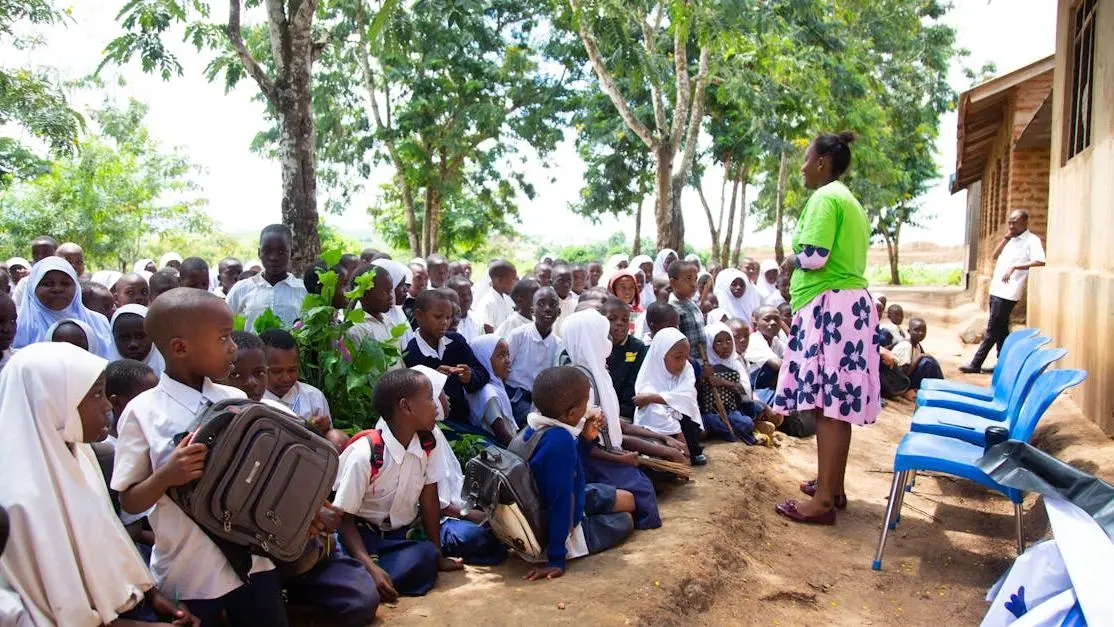
Many people who volunteer in teaching want to create genuine impact but wonder if their time and skills really make a difference.
If you’re eager to support others, learn alongside your neighbors, and see growth firsthand, you’re not alone.
To help you start or strengthen your journey, we’ve made a guide that covers:
- What it means to volunteer in teaching—and how it transforms real lives
- Ways peer-to-peer teaching builds confidence and closes learning gaps
- Step-by-step actions to find, join, and measure your community impact
Discover What Volunteer in Teaching Really Means
If you’re looking to connect with others and share what you know, volunteer teaching could be the fast track to real, visible community change. We’re talking about more than just classroom instruction. You can deliver tutoring, lead workshops, mentor adults, teach digital basics, or coach study and life skills.
When you get involved, you create real results for other people—and for yourself. You’ll see skills grow, confidence bloom, and maybe even create a ripple effect in your community.
Here’s what sets volunteer teaching apart:
- Direct impact on local needs. Whether it’s English literacy or coding basics, you’ll fill gaps in a way that fits your skills and your neighbor’s goals. Community partners help point you in the right direction, so efforts count.
- Flexible delivery models. You choose: support students in after-school spaces, coach adults in essential life skills, or help organize a short digital skills workshop. Focus on what works for you and for the people you serve.
- Reciprocal benefit. Volunteers don’t just give; you’ll gain empathy, leadership skills, and a wider sense of purpose. Service-learning research backs up these results.
- Real momentum with peer-to-peer. Traditional models move slow, but peer-to-peer platforms like Gathr let you offer or request help directly. No middleman, no waiting. You and your neighbors organize and act fast.
- Lasting value beyond the session. Teaching someone to read or use a smartphone isn’t a one-and-done favor. Small wins build over time, multiplying benefits for families, neighborhoods, and you.
When you volunteer to teach, you unlock double wins: your knowledge becomes community progress, and your effort turns into fresh motivation, new relationships, and clear, visible results.
Understand Why Volunteer in Teaching Changes Lives and Communities
Volunteer teaching makes a visible difference, fast. You help real people gain essential skills and build bridges to opportunity. What you do can raise school attendance, lift confidence, and even change future income—and it changes you, too.
Proof That Volunteer Teaching Goes Beyond “Feel-Good”
Service-learning and peer-to-peer volunteer experts agree: the gains aren’t just emotional. They’re practical.
- School attendance jumps. Targeted volunteer tutoring in low-attendance areas shows students stick around and participate more.
- Literacy and skill rates climb. Programs targeting adult learners help them get jobs, pass exams, or navigate their town’s websites and services.
- Empathy and leadership deepen. Research links volunteer teaching to sharper problem-solving and greater resilience for both sides.
- Civic muscles get stronger. Both volunteers and learners tend to join more local projects, vote more often, and network with their community.
- Health and happiness go up. Other-oriented volunteering, especially with a teaching focus, brings double-digit increases in self-reported well-being.
When you teach something important, you build a two-way bridge. The learner gains visible skills, and you get meaningful new connections and personal growth.
Volunteer teaching tackles real problems—closing gaps in schools, fighting social isolation, and unlocking bigger dreams for both sides.
Overcome Common Doubts: Can You Really Make a Difference?
You might worry you’re not qualified, too busy, or unsure what difference one person can make. Good news. Most volunteers start out just like you: motivated, caring, honest about their time and strengths.
What actually matters: clarity, effort, and consistency.
- No teaching degree needed. Community tutoring and after-school programs are full of people leading sessions on reading, math, art, or digital basics with zero classroom background. Lived experience counts.
- Short commitments, big gains. Research shows that even one hour a week, when chosen well, helps learners raise reading fluency and finish important assignments.
- Training and support are routine. Many programs offer guides, sample scripts, or practical sheets. Gathr provides a frictionless way to connect with others, join a project, or access templates, so anyone can jump in, prep, and contribute.
- Results are visible and real. Volunteers report “quick wins”—like a student cracking a tough math topic, or an adult using email for the first time. These build trust and momentum.
- Built-in support for first-timers. Find organizations with clear roles, training sessions, and step-by-step onboarding. Safeguarding protocols exist to keep everyone safe and comfortable.
The first step is what counts. Start with a bite-sized project and watch your effort pay off for your learner and for you.
Identify the Skills and Strengths You Can Offer as a Volunteer Teacher
You hold valuable knowledge—even if you don’t think of yourself as a traditional teacher. Our communities need what you know, now more than ever. Volunteer teaching isn’t about fitting a mold. It’s about connecting your strengths to important local needs.
Popular High-Impact Volunteer Teaching Skills
- Literacy and reading support. Perfect if you love books or have helped your own kids—raise local reading confidence and set the stage for lifelong learning.
- Digital skills and basic IT help. The ideal match for those who use smartphones, tablets, or work in tech—open doors for seniors, job seekers, or neighbors who want to access government services and job boards.
- Math and study skills coaching. Just finished school, or enjoy problem-solving? Tutors for math basics, homework clubs, or financial literacy workshops are in demand everywhere.
- Life and professional skills workshops. Share project management, interview prep, resume writing, or budgeting strategies. Adult learners and teens see real value.
- Language and ESL support. Know a second language? Help recent arrivals or shy speakers unlock doors in work, school, and daily life.
Bulletproof what you offer by reviewing your experience, hobbies, and the everyday skills others ask you about. Want to go deeper? Try a short self-assessment or talk to us at Gathr. We help volunteers match strengths to real local needs—fast.
Engage. Teach. Grow.
No matter your background, your knowledge can build someone else’s tomorrow—and start to shift your own story, too.
Follow a Step-By-Step Guide to Start Volunteering in Teaching
You’re ready to move from “I want to help” to “I’m making change.” We’ve built a simple, no-fuss game plan so you can jump in and stay confident from start to finish. Volunteering in teaching shouldn’t feel overwhelming. Breaking it into pieces helps you act right away.
Fast-Track Steps to Get Started
- Map your motivation and strengths. Ask yourself what topics fire you up. Do you want to tutor kids after school, coach basic tech, or help adults with job skills? Your interests make you more effective.
- Choose your format and time. Be honest. Weekly commitment, occasional workshop, or single-session—every option creates value. Block time on your calendar and treat it as a real appointment.
- Explore training and requirements. Many roles include a quick training video or a guide to safe volunteering. Stay ahead by seeking these early. You may need a background check if working with kids.
- Plug into community needs. Use Gathr to see what neighbors are asking for or to post your skills. We cut the red tape—you connect with the people who want what you offer most.
- Prep your sessions. Create a set of objectives (like “student can write an email” or “adult can solve a simple math problem”). Clear goals keep lessons focused and results obvious.
- Ask for feedback early. Encourage your learner to rate their confidence. Use a post-session survey or one-minute self-check. Small adjustments help you improve fast.
If you trip up or miss a session, don’t sweat it. Consistency beats perfection. Community partners or fellow volunteers can offer scripts, openers, and tips to level up.
Real progress happens when you focus on clear goals, short action steps, and honest feedback—small moves, real growth.
Learn from Real Stories: Volunteer Teachers Making an Impact
The most powerful proof of volunteer teaching is in the stories people share. A single session can rebuild someone’s confidence, teach a parent to use a phone, or help a neighbor land a job. These aren’t distant examples. They are happening in our communities right now.
Think of the volunteer who ran a weekend coding club. Students left with tangible projects and real tech skills to show employers. Or the reading buddies program where older kids went from skipping class to leading peer study groups.
Every time someone leaves your session knowing something new, you create a result that lasts and grows.
Experiences we see again and again:
- A retiree teaching basic computer skills, empowering learners to manage bills and talk with distant family online.
- Young adults running art workshops, sparking hidden talents and opening doors to creative arts programs.
- Peer tutors helping classmates who struggle, building confidence that drives up grades and attendance across the whole school.
The ripple effect can be huge. People who benefit often return to teach others—turning short-term impact into ongoing community strength.
Each story starts with one step: deciding to share your knowledge and seeing what’s possible when others believe in you.
Track Your Impact and Build Feedback Loops
You need to know your effort matters. We recommend simple, focused tracking every session. This is about proof—for yourself, and the people who support your mission. Impact isn’t fuzzy when you measure results.
Here’s how to keep your feedback loop tight and simple:
- Set a clear, practical learning goal for each lesson.
- Track small but powerful data: did the learner complete a key task, answer a question, or use a new skill in daily life?
- Ask for honest feedback with a two-question survey—one on confidence, one on usefulness.
- Share quick highlights—attendance, skills learned, personal victories—with your network to inspire others.
Small improvements each week become huge gains over a season.
When you listen to feedback and celebrate progress, you supercharge your effect—and inspire more people to join you.
Address Your Next Steps: Make Your Volunteer in Teaching Commitment
Now is when you move from reading to doing. Our action checklist keeps you true to your goal and removes any excuse to stall:
- Sign up for your first opportunity on Gathr or post an offer that matches your skills and time.
- Choose a clear topic and prep a quick intro lesson.
- Invite a friend or neighbor to join; accountability doubles your impact.
- Mark your calendar, prep materials, and check your tech or venue.
- After your first session, collect feedback and celebrate your start. Adjust fast and stay open to learning.
Staying consistent, even just a little, works better than long-term promises you never start.
Take the first action, no matter how small. Change moves with you.
Looking for a way to get involved in your community?
Check out Gathr — a new app that makes it easy to find volunteer opportunities anywhere.
Find Opportunities →Conclusion: Step Into a Bigger Role as a Community Educator
Your actions matter. Volunteering in teaching isn’t extra credit—it changes real lives, boosts communities, and builds your own sense of purpose. We see it every day. You have skills people need. Now is your time.
Sign up, show up, deliver. Empower your neighbors and yourself. Change starts with your commitment. Gathr is ready to support you at every step—because you deserve to see the difference your time makes.