
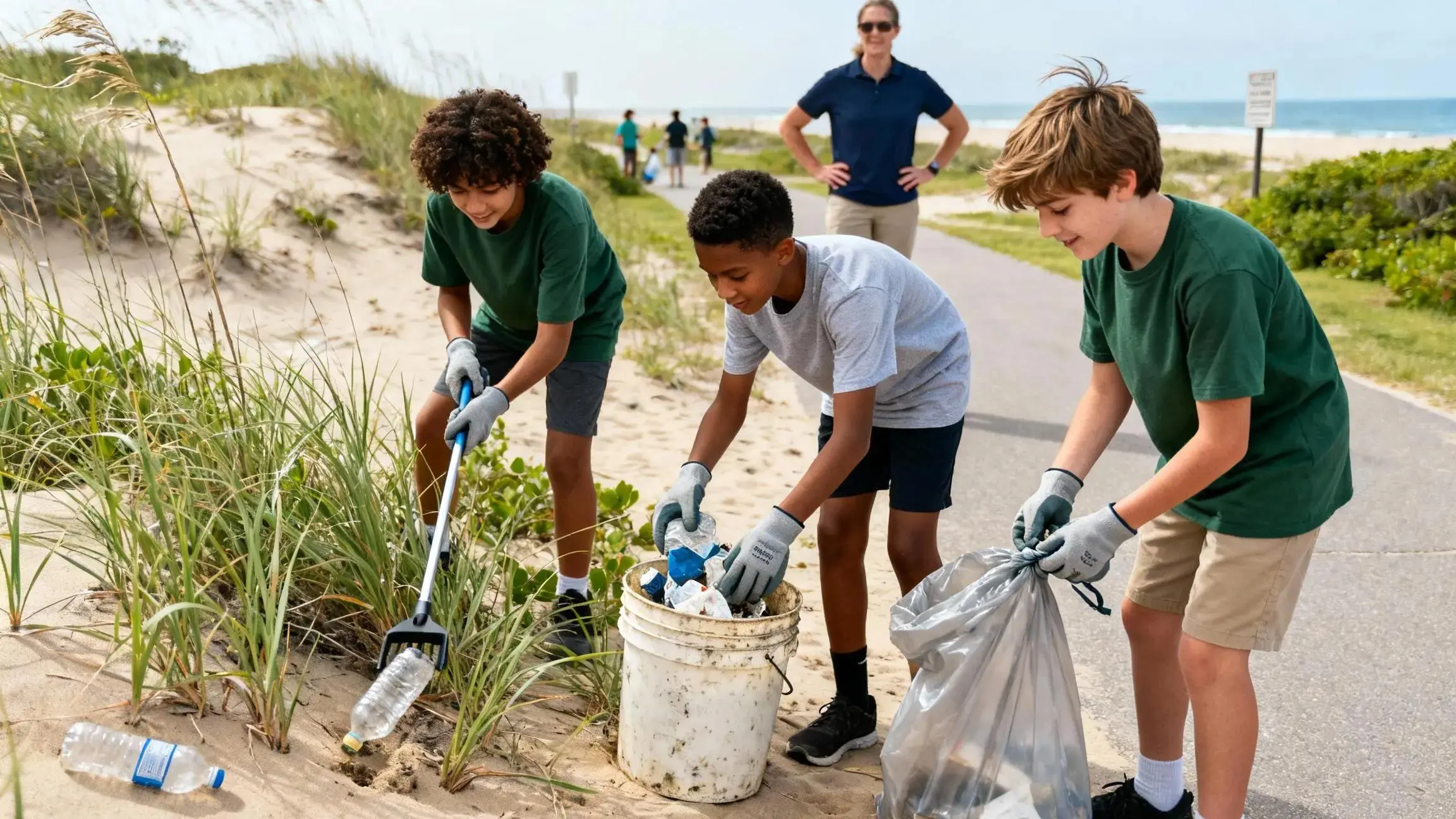
Looking for volunteer opportunities for 13 year olds that make a real difference in your neighborhood or school?
We’ve cut through the noise to highlight peer-to-peer options with clear impact and hands-on experience, not just sign-up lists.
This guide gives you specific ways to get involved, whether you want to help a neighbor, care for the environment, or support classmates—without waiting to get older.
1. Neighborhood Park Cleanups with Golden Gate National Parks Conservancy
You want your first volunteer experience to feel real. Neighborhood park cleanups deliver. You get outside, dive into hands-on work, and watch the landscape transform right in front of you.
Real reasons this opportunity stands out:
- Direct, visible impact. Every trash bag filled or trail section restored is proof you made a difference.
- No special training or experience needed. Youth jump into simple, clear roles guided by trained staff.
- Safety and supervision built in. Parents and teens have a reliable, structured starting point.
If you care about the environment or just want to meet others who do, these cleanups are a great entry point. Park conservancy teams guide projects like trail repair, habitat restoration, and debris removal. They provide equipment, orientation, and even built-in group scheduling if you want to volunteer as a family.
Kids who like to see quick progress and enjoy teamwork thrive here. Families appreciate the open, flexible scheduling and the way each shift ends with a visible achievement.
Park cleanups give 13 year olds an immediate way to move from wanting to help to seeing results, which builds confidence for bigger commitments.
2. Ocean Beach Clean-ups Monthly Beach Stewardship
Ready for bigger impact? Beach cleanups are high-energy and crucial. Each event shrinks the threat of marine debris, protects coastal wildlife, and leaves a visible difference you can feel proud of.
Teams organize monthly sessions where youth and families fan out along the shoreline, tracking the types and amounts of trash. You’ll get a safety talk, gear, and the sense that your actions directly protect ocean habitats.
Who fits here? Anyone who loves the outdoors or feels motivated by urgent issues like plastic pollution. If you want your efforts tracked and logged, most cleanups include debris data collection—an instant add to your service portfolio.
How beach cleanups create value:
- Capture and remove hazardous debris before it re-enters waterways.
- Engage in citizen science by documenting your finds.
- Learn safe tide awareness, habitat rules, and marine wildlife basics.
Many teens use these events for service hours, science projects, and to gain deeper environmental knowledge. Want a role with real-world meaning? This one delivers every session.
3. Community Garden Helpers at Norristown Sprouts
Want to give back over weeks, not just hours? Community gardening gives youth a reason to keep showing up. You help neighbors grow food, keep green spaces alive, and support local food pantries.
Here’s what sets community garden support apart:
- Roles change with the seasons. Spring is for planting, summer for weeding and watering, autumn for harvesting, always with visible outcomes.
- Your effort supports not just a garden but community health and access to fresh produce.
- Members encourage youth to step into garden care and leadership roles.
If you’re hands-on and steady, or want to take pride in a growing project, this is a fit. Little expertise is needed—just energy and willingness to get dirty.
Gardening fosters responsibility. Teens become the go-to for watering duties or lead a composting station. Some programs tie in healthy eating, making the experience go beyond the garden plot.
Why this matters:
- You see your impact with every seed that grows.
- Producing food for others changes the way you see community.
- Reliable attendance can unlock leadership roles and even garden committee seats for committed teens.
4. Citywide Garden Networks like Brighton and Hove Food Partnership
Expanding your reach? Citywide garden networks offer more locations, varied projects, and more ways to learn. These partnerships connect dozens of sites, each with its style and needs, so you always have a fresh task or skill to try.
Most sites welcome youth with a parent or guardian. Volunteer as often as you like, learn composting, seed care, or pollinator support, and watch your knowledge expand.
These networks are perfect for teens who want to build a regular routine and get to know a wider circle of neighbors and mentors. You’ll find structured sessions, seasonal events, and even youth ambassador paths.
Wider garden networks mean more entry points, more friends, and more chances to build habits that stick.
5. Youth-led Food Drives and Backpack Builds for Local Food Banks
Some food banks can’t allow 13 year olds onsite, but don’t let that stop you. Bring the solution to your street or school instead. Organize a food drive or backpack build modeled after warehouse programs.
You plan, collect, and sort nonperishables. Team up with friends or classmates. Pack kits for younger kids or seniors; deliver to a food bank with your family.
What makes this format effective:
- You learn project planning and communication, not just task completion.
- Impact can be counted in pounds collected and people helped.
- Builds your organizing skills and leaves a measurable mark in your own neighborhood.
Planning is part of the process. Use school flyers, inventory lists, or even a little fundraising to boost results. Quality control (check expiration dates, sort food) teaches real-world skills.
6. Family Warehouse Support at Greater Vancouver Food Bank
Want to get inside the supply chain? Warehouse support puts you at the heart of the action. Box food, inspect donations, prep pallets. It’s more active than you think, with every role moving meals to families fast.
Family or group shifts are the norm for youth. Confirm age with the food bank first. Your work teaches safety, efficiency, and teamwork in a busy space. Stand for a few hours, work together, and leave knowing exactly how many pounds of food you sorted.
Best for practical teens who take pride in reliable, behind-the-scenes work. Parents can rely on strict safety, easy-to-track hours, and good training for every shift.
Key takeaways:
- Learn logistics and food safety in real-world conditions.
- Track hours for school and get signed confirmation.
- Build toward leadership or client-facing roles as you grow.
7. Peer-to-Peer Tutoring and Homework Help for Younger Students
Tutoring is high-impact, flexible, serious skill-building. When you tutor a younger peer, you build leadership, organization, and empathy. Pick your best subjects, work in person or virtually, and commit to a weekly time slot.
Set goals: improvement in grades, more completed homework, or even increased reading confidence. Get supervision from a parent or teacher. Track progress, keep simple logs, and document before-and-after results.
Tutoring builds real-world skills every teen needs: clear communication, patience, and the momentum that comes from watching someone else succeed.
Work with school, library, or YMCA programs if you want structure. Or pair up with a neighbor and design your own reading progress tracker. Either way, you’re not just helping—you’re growing as a leader.
8. Library Friends Book Sales and Sorting Teams
Libraries are always looking for teens with good focus and energy. Friends of the Library groups put you right in the action. You handle book donations, sort, price, and prep for sales or events. You can also greet customers or track inventory.
Here’s why book sales and sorting deliver real value:
- Every box of sorted books supports literacy programs or new library events.
- You work behind the scenes or face-to-face with the community, learning important organizational skills.
- Shifts are clear, scheduled, and supervised. You’re never left guessing.
Book lovers fit right in, but so do kids who want to see how public events and nonprofits run. Many libraries use these roles as a launch pad for advisory boards and youth leadership.
Big wins you get:
- Experience running real events like book sales or story hours.
- New connections with librarians and program leaders.
- Tangible results, from shelves sorted to funds raised.
9. Animal Welfare From Home and Youth Shelter Pathways
Animal shelters often set high age limits for on-site help. Don’t see this as a dead end. Many allow or even request off-site or at-home help from younger volunteers.
Here’s what you can do, starting now:
- Craft fleece blankets or enrichment toys for cats and dogs.
- Organize a pet food or supply drive with neighbors.
- Join junior ambassador or family volunteering programs if the shelter offers them.
Every at-home project gets used right away. You’re giving comfort to animals, supporting staff, and practicing planning. Some shelters invite youth in to read to shy cats or join fundraising teams with a parent.
Proof this matters:
- Every blanket or toy gets used immediately.
- You create measurable, sharable results—perfect for a volunteer portfolio.
- Consistent effort opens doors to on-site roles as you get older.
Animal welfare volunteering lets you show real heart right away—no barriers, just impact.
10. Youth Sports Volunteers with AYSO and Parks Programs
Sports leagues and parks programs can always use more hands. You don’t have to be a star athlete. Help with setup, run the scoreboard, check gear, or become a junior referee or coach.
Each role creates a better game day for everyone. Teens gain leadership, build trust with coaches, and learn the art of working with younger kids. Parents like clear rules, scheduled seasons, and hands-on learning.
Why sports volunteering pays off:
- You pick up real communication skills, team spirit, and time management.
- Many programs offer training and first-aid basics—practical skills you’ll reuse.
- Assistant coach or official roles are stepping stones toward bigger summer jobs or leadership titles.
For community-minded teens who like action and teamwork, sports volunteering delivers lasting influence.
11. Habitat for Humanity ReStore and Youth Days with a Parent
Habitat for Humanity ignites purpose in teens who care about housing and sustainability. Most build sites need older helpers, but ReStore locations offer safe, supervised spots for 13 year olds.
You sort donations, handle displays, help shoppers, and learn retail basics. Some affiliates run youth or family volunteer days. The mission is huge, but every box or shelf you organize moves it forward.
Concrete results you deliver:
- Every donated item sold funds new homes locally and abroad.
- Teens develop skills in communication and inventory that stick for life.
- Supervised roles mean parents can participate too, making it a win for families.
If you want to grow into construction, affordable housing, or nonprofit work, this is your on-ramp.
12. Micro-volunteering and Neighbor-to-Neighbor Help with Gathr
Want instant, flexible impact? Micro-volunteering makes service a habit, not a hurdle. With Gathr, you post what you can offer or request help, then match up locally for peer-to-peer service—fast.
You can help clean up a local park, check on neighbors after a storm, or deliver food to someone nearby. Every small action is tracked, verified, and visible in your impact log. There’s no waiting for age approvals or rota schedules.
Here is why this works for busy, motivated teens:
- Direct, easy, and always in your control.
- Fits even packed schedules; moments of giving stack up into big change.
- Gathr keeps everything verified, so your service counts for school or youth programs.
Gathr turns your kindness and energy into proof of impact you can see and share. Small acts, fast connections, a habit of helping.
Micro-volunteering with Gathr lets you stop waiting and start acting—your service matters every time.
How 13 Year Olds Can Volunteer Safely and Confidently
You care about helping. You want it to count. Here’s how to set up to win:
- Treat each opportunity like a real job: show up, learn, keep commitments.
- Bring a parent where needed and always check supervision and safety rules first.
- For off-site projects, keep photo logs and get signed confirmations when possible.
- Choose clear, concrete tasks: packing, cleaning, tutoring, or helping neighbors.
- Track your own hours and outcomes. Every shift fuels your future opportunities.
The safest, most rewarding roles are those with visible progress and built-in supervision or family options.
Looking for a way to get involved in your community?
Check out Gathr — a new app that makes it easy to find volunteer opportunities anywhere.
Find Opportunities →Conclusion
Small steps stack up to real change. Want to get moving this week? Pick one new role to try—whether a park cleanup, library shift, food drive, or micro-volunteering with Gathr.
You care about making a difference. With the right opportunity and a little grit, you’ll look back and see just how much you moved the needle in your community. Start today—your next act of service is closer than you think.