
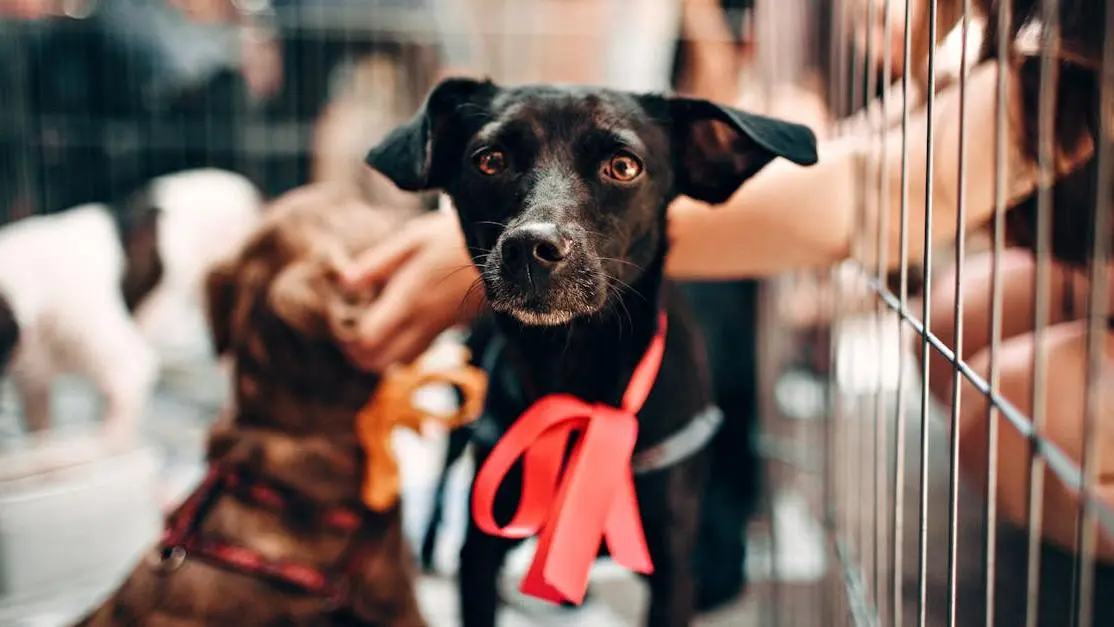
If you’re considering volunteer work animal shelter roles, you know the impact goes beyond cleaning kennels or walking dogs—it’s about building real connections and making local change.
The need for direct, community-powered help has never been greater, but starting can feel overwhelming.
We’ve built this guide to help you:
- Understand the variety and value of volunteer work animal shelter opportunities
- Learn how digital and peer-to-peer tools connect you to the right roles
- Discover skills, stories, and strategies for thriving while making a difference
Understand What Volunteer Work at an Animal Shelter Involves
Animal shelter volunteer work is hands-on and impact-centered. Every person who steps in will find a role that fits their strengths. You might walk energetic dogs, comfort shy cats, deep clean kennels, or handle admin emails. Others use digital skills for social media, organize fundraisers, or reunite lost pets with their families. Your effort goes straight to work for animals.
What shelter volunteer roles offer:
- Direct animal care: Walk, feed, and play with pets. Animals with more human interaction show less stress and get adopted faster.
- Admin, fundraising, and education: Raise awareness and support. Volunteer-led fundraising shows higher event turnout, while peer education increases adoption interest in the community.
- Technology and digital outreach: Manage shelter databases, boost digital marketing, or update pet photos online. Volunteering tech skills increases shelter efficiency.
- Emotional skills: Shelters rely on people with patience and comfort for animals facing uncertain futures. You’ll develop resilience, empathy, and a sense of accomplishment.
- Peer impact: More volunteers means more individualized animal care, which has boosted adoption rates and reduced stress behaviors according to multiple studies.
Animals count on us. The daily work supports basic care, helps more pets get adopted, and even enables urgent lost pet reunification. Even when it’s messy or tiring, the payback is clear: happier animals, happier communities.
One interaction, one rescued animal, or one shared skill can change adoption outcomes and lives.
Explore Your Motivations and Address Common Hesitations
Most volunteers step up for two reasons: love for animals and a desire to make a direct difference in a world that often feels disconnected. These motivations might be unique to you—maybe you want community, personal growth, or to experiment with new skills outside your job.
Hesitations are normal. Doubts about experience, emotional stress, or time limits come up frequently. Many worry they can’t manage the sadness, might not have enough skills, or won’t find a spot that fits their schedule.
A gut check: shelters actively need a mix of backgrounds, not just animal experts. You can start from scratch—training fills gaps, and your unique strengths matter.
Motivations and hesitations that shape the experience:
- Empathy leads to real connection and a sense of belonging—volunteers often report more satisfaction and confidence.
- Experience grows by doing, not before starting—shelters provide step-by-step training.
- Emotional challenge is real, but it builds resilience—volunteers often cite improved confidence and coping skills.
- Every skill finds a place, from languages to organization; the impact is wider than you expect.
You don’t have to be the “animal person” right away. Passion counts as much as skill. The win? Volunteers consistently report new friendships, unlocked talents, and even unexpected career shifts.
Learn Why Now Is the Time to Volunteer at an Animal Shelter
Animal shelters today face rising challenges. Intake rates in some regions are up 20–30%. Staff shortages are routine. The bottom line is simple: more pets need your help right now.
Community-driven solutions are replacing old, centralized models. People want direct connections and flexible ways to serve, not a faceless process. This is where Gathr stands out. We make it easy for you to connect directly to grassroots, high-impact volunteer needs in your area. Our app cuts through red tape and links you to the people and animals who need you the most, fast.
Why act now?
- Urgent need: Shelters face crowded kennels and limited hands, putting animals at risk.
- Stronger local impact: Peer-to-peer models help volunteers stick around longer, boosting satisfaction and real results.
- Gathr’s advantage: Direct matching speeds up onboarding and fosters teamwork, so you don’t waste time waiting for an assignment.
- Community engagement: Study after study shows volunteering builds neighborhood support and fights isolation.
Dogs and cats are waiting. Your kindness, skills, and presence are needed more than ever.
Identify the Volunteer Role That Matches Your Passions and Skills
You don’t have to fit a mold to make a big impact. The best shelters look for people who want to use what they’re best at. There is a place for everyone.
Core roles and who thrives in them:
- Animal care: Feed, clean, play, or go for walks. Best if you want hands-on pet time. These animals need your attention to reduce stress and boost adoptability.
- Admin and logistics: Process adoptions, keep records, or coordinate foster programs. Perfect if you’re detail-oriented or like a challenge behind the scenes.
- Outreach and education: Share stories at events or online, host workshops, or help teach. Great for those with strong communication or people skills.
- Digital and tech: Photograph adoptable pets, update websites, manage databases, or design graphics. Ideal for creatives or tech-savvy helpers.
- Social media: Run Instagram, promote fundraisers, respond to messages. Best suited for digital communicators who want to move the needle on community engagement.
- Fostering: Care for animals at home as they recover, grow, or await adoption. Good for flexible, nurturing problem-solvers.
- Special projects: Write grants, translate content, or design pet enrichment toys. Perfect for anyone wanting to share specialized skills.
You might only have a few hours a month, or digital skills for remote help—that’s still essential. Shelters now welcome short-term or specialized help as much as daily, in-person commitment.
Matching your strengths to the right shelter role doesn’t just help animals, it boosts your own satisfaction and confidence.
Find Volunteer Work Animal Shelter Opportunities Near You
Ready to put your skills to work? The next step is finding the right shelter—and role—for you. There are more ways to get connected than ever.
You can walk into your local animal shelter, explore their open volunteer spots, or check community boards at schools and libraries. Friends often know hidden-gem rescues looking for a hand. But the fastest approach is using platforms designed specifically for quick, direct connections.
Gathr delivers this. We help peer-to-peer volunteers cut past gatekeeping. You can see open roles at smaller, community-run or grassroots shelters who may not even post on national sites. Our app puts the right opportunity in your hands.
Top ways to find your volunteer match:
- Visit, call, or email animal shelters in your area. Meeting the team can set the tone for a positive start.
- Use Gathr’s localized app to filter and connect with community rescues and indie shelters needing your talents.
- Check neighborhood groups, school bulletin boards, or social media for new postings and pop-up events.
- Ask questions before committing: Does the shelter support its volunteers? Do their values align with yours?
- Transparent programs and support = better experience.
Choosing a shelter is about fit and fairness. Look at each group’s mission and how they’ll support you. When you ask questions up front, you set yourself—and the animals—up for a better outcome.
Learn the Requirements and Expectations Before You Start
Every shelter comes with its own set of rules, training, and expectations. What matters most is knowing what you’re signing up for—then showing up fully. You build trust with animals, other volunteers, and the staff by following through.
Most animal shelters start you with an application, a quick interview, and a group orientation. Some need background checks or proof you meet their age minimum, which often sits around 16 to 18 for independent roles. Short on time? Many places offer guest shifts or family volunteer days.
What to expect in animal shelter volunteer roles:
- Time commitment: Some roles need a regular weekly shift, others are flexible. Know your limits up front—this builds a sustainable routine.
- Physical and emotional labor: Animal care can mean lifting, scrubbing, or wrestling big dogs. You may also face tough days, like seeing frightened or sick animals.
- Training: Most shelters provide hands-on animal handling training and clear safety protocols before you start.
- Communication: You’ll need to check in, report problems, and stay responsive as part of a team.
- Boundaries and support: Many programs now cover compassion fatigue, offer mental health resources, and set clear limits to protect your well-being.
Clear expectations create a safer, more supportive environment for everyone.
Prepare for Your First Day: Practical Steps to Get Started
Stepping into a shelter for your first shift? Preparation matters. You want to be confident, calm, and open to learning from the people around you.
Bring the right attitude and gear. Closed-toe shoes, comfy clothes, and maybe a water bottle are standard. Every shelter will walk you through key safety rules for working with animals and cleaning. If you’re shadowing, ask questions and watch closely—quick learners make the biggest early impact.
Essential tips for a great start:
- Arrive early and introduce yourself to staff and volunteers. Network for a smoother day.
- Take notes or set reminders about new routines. You’ll pick up skills faster by tracking tips as you go.
- Be ready to help with anything, not just your primary role. Small acts show your commitment and flexibility.
- Seek out a mentor or buddy volunteer whenever possible. Peer mentorship fosters faster adjustment and richer insight.
You might feel nervous, but everyone remembers their own Day 1. Most teams love welcoming new faces.
Embrace the Benefits: Skills, Community, and Personal Growth
Yes, volunteer work at an animal shelter gives back to animals in need. But the real secret? It also transforms you. You’ll walk away with stronger skills, deeper empathy, and new community roots.
Shelter volunteers see their confidence skyrocket after just a few weeks. Everyday wins—like calming a shy cat or helping a nervous family adopt—simulate real-world challenges and solutions.
Top benefits you’ll gain as an animal shelter volunteer:
- Skill building: Hands-on experience in teamwork, leadership, and organization. Employers value these as much as technical skills.
- Community: New friends, wider social circles, and a genuine sense of belonging.
- Mental health: Levels of stress and isolation drop; contributors report greater purpose and satisfaction.
- Professional growth: Stronger resumes and powerful recommendations if you’re headed for school, animal care, or nonprofit work.
- Sense of purpose: Every shift, you see your impact and the hope you bring to people and animals.
The rewards aren’t delayed. Volunteers tell us they start feeling results—at work, at home, in their communities—almost instantly.
When you serve, you build skills, friendships, and the world you want.
Make Your Impact Go Further: Beyond Day-to-Day Volunteering
You can level up your experience and impact by moving beyond basic shifts. Deep involvement lets you share unique skills, join big-picture projects, and help your shelter grow.
Organize community events, host adoption days, or lead fundraising efforts. These actions double or even triple the number of pets adopted and the dollars raised—results matter. If you have digital, creative, or outreach talents, use them to upgrade your shelter’s presence and streamline their work.
How to multiply your effect:
- Start or support digital campaigns (pet profiles, virtual fundraisers)
- Mentor new volunteers and build a strong team culture
- Lend creative skills for photos, videos, and design
- Help build lost pet networks or adoption resources in your city
- Advocate locally, championing animal welfare at events or on social media
Collaboration increases the reach. You’re not just supporting animals—you’re empowering your entire community.
Stay Motivated and Avoid Burnout in Volunteer Work Animal Shelter Roles
Animal shelter work rewards you, but it can also test your limits. The key to lasting impact is setting boundaries and using support. We don’t want anyone burning out, so self-care is non-negotiable.
Stay resilient with these quick strategies:
- Protect your schedule: Limit shifts if you’re feeling tired or stretched.
- Lean on your community: Peer-to-peer support, volunteer hangouts, and mentoring relationships help everyone push through tough days.
- Celebrate small wins: Track your progress. Take time to reflect on moments of impact.
- Stay curious: Training and skill workshops keep you learning and growing.
- Use available resources: Mental health support and open communication help manage compassion fatigue.
Burnout happens when you ignore your feelings and needs. Give yourself permission to take breaks. The animals and your team need you at your best.
Sustainable effort beats spreading yourself thin—choose longevity over hustle.
Conclusion: Take the First Step Toward Meaningful Volunteer Work
Every moment you spend helping at an animal shelter makes real change, for animals and people. Volunteering can be your launchpad for deeper purpose, stronger skills, and a more connected community.
Start local, act direct, and don’t wait for permission. Whether you connect through Gathr or walk into a shelter near you, your effort is exactly what animals—and our world—needs.
We’re here to help you turn good intentions into true impact. Take that first step and see how much difference you can make.