
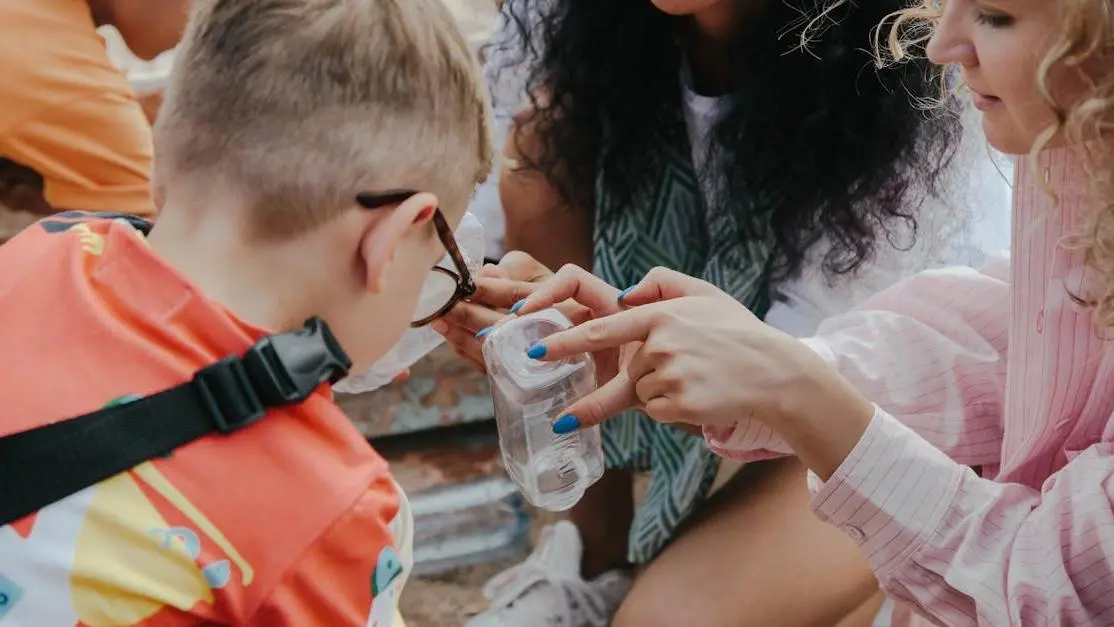
Volunteering education is learning and personal growth that happens through hands-on community involvement.
When you volunteer—whether tutoring a neighbor, joining a local cleanup, or supporting a cause—you gain real-world skills, build confidence, and expand your connections.
Unlike traditional classes, volunteering education is active and collaborative, focused on helping others while developing qualities like empathy, teamwork, and leadership. Peer-to-peer volunteering platforms like Gathr make it easy for individuals to find meaningful opportunities and make a direct impact.
What Is Volunteering Education and Why Does It Matter?
Volunteering education is learning that happens in the real world. It kicks in when you step up for your community, not just in a classroom or training room. You pick up tools for life and work, find your strengths, and see immediate impact from your actions.
Key reasons volunteering education stands out:
- Develops skills through direct experience, not just theory. Every volunteer shift is a chance to get hands-on and build a toolkit that fits the real world.
- Blends personal growth with community impact. You don’t just help others, you transform your mindset, self-esteem, and drive. Studies show pride, meaning, and empowerment increase when you volunteer with reflection and support built in.
- Fosters relationships by bringing people together for a shared cause. Our most successful volunteers say connection keeps them coming back—not simply the task.
- Adds purpose that formal education can’t always deliver. Volunteering lets you act on your values immediately. You see problems, solve them, and grow each time.
- Platforms like Gathr break barriers to entry. We connect people fast for peer-to-peer action—no closed networks or complicated sign-ups. This democratizes access, making it simple for anyone to step up, contribute, and learn.
- Moves beyond curriculum checkboxes. You tackle local issues, practice leadership, and learn by doing, rather than memorizing facts for a test.
Volunteering education drives growth by turning service into a two-way street: you help, you learn, your world expands.
How Volunteering Fosters Lifelong Learning and Growth
True learning doesn’t stop at graduation. Volunteering lets you stretch, try new roles, and challenge yourself—fast. Each act, big or small, adds to your ability to work with others, handle setbacks, and adapt. Even one hour can shift your skills and confidence.
Skill Building Outside the Classroom
Getting involved means jumping into teamwork, communication, and real leadership situations. You can’t just sit on the sidelines, and you’ll see quick feedback—good and bad—that helps you get better.
Real-World Proof Points:
- Teamwork that sticks. From neighborhood cleanups to remote tutoring, volunteers experience firsthand what it takes to solve problems as a group and build trust you can count on later.
- Adaptability wins. When you face changing needs or a tricky challenge, you grow more resilient and able to pivot, a trait hiring managers flag as critical.
- Confidence for the future. In the largest surveys, nearly 3 out of 4 people say volunteering made them more self-assured. For those just starting out, rates jump even higher. That means real momentum as you shift from unsure to unstoppable.
Lifelong Learning in Action
Volunteering links each moment to a new lesson. Fail, get feedback, try again. That cycle boosts your confidence, primes you to work through setbacks, and sharpens decision-making. Over time, this process solidifies into mastery and lifelong growth.
Volunteering is the fastest, most flexible crash course for workplace readiness, self-mastery, and staying adaptable.
What Are the Personal Benefits of Volunteering Education?
Volunteering pays back in real ways. Your mental health, relationships, and sense of purpose all get a boost.
Direct benefits you gain:
- Improved mental health. More than three out of four volunteers report less stress and a brighter outlook.
- New and deeper social networks. 89% of volunteers say they make meaningful connections, often outside their usual circles.
- Higher self-esteem and self-worth. Regular volunteering ties to greater pride and personal fulfillment, especially when appreciation and recognition are part of the process.
- A sense of accomplishment. Even first-time, one-off volunteers feel real achievement, shifting from thinking “I hope I’m enough” to “I made a real difference today.”
- Expanded perspectives from connecting with new backgrounds and challenges, sparking empathy that drives lifelong personal and professional growth.
But, the right support matters. You get the best results when you’re appreciated, when your role fits your motivation, and when there’s time to reflect. Burnout happens if you’re overstretched or under-supported, but structured reflection and flexible opportunities maximize well-being.
The more you connect, reflect, and feel valued, the deeper and longer-lasting the benefits for your mind and future.
How Volunteering Education Supports Academic and Career Success
Volunteering isn’t just feel-good. It’s a shortcut to building a résumé, landing jobs, and strengthening school applications. You back up your claims with evidence from real situations, not just grades or buzzwords.
Academic and Career Advantages
The proof is there. Students who volunteer show stronger applications and interview skills. Employers prefer people who can give concrete examples of leadership, teamwork, and perseverance—and these experiences are exactly what volunteering delivers.
Core Ways Volunteering Propels You Ahead:
- Builds “employability capital” you can prove. That includes people networks, job-ready skills, and real cultural awareness.
- Increases self-confidence, especially among young adults. 84% of volunteers aged 18–24 report confidence gains, which translates into better performance at interviews or group tasks.
- Creates real references and stories for admissions or the workplace. When asked about obstacles you’ve overcome, you have specifics: leading cleanup teams, mentoring kids, running logistics for a local event.
You get the biggest leap when volunteer roles fit your goals and come with reflection, mentorship, and tangible outputs—like feedback or digital badges. Even a single, well-documented experience can set you apart.
When you volunteer with intent and show proof of learning, you unlock doors that grades alone can’t open.
What Makes Peer-to-Peer Volunteering Unique?
Peer-to-peer volunteering is different. Instead of going through layers of organizations, you connect directly—helping or requesting help without the middleman. This gets results quickly and lets you target impact where it matters most.
Why Peer-to-Peer Stands Out
You get speed, flexibility, and transparency.
- Direct access means fast action. Local tutoring, last-minute food drives, and urgent cleanup jobs get filled in hours, not weeks. Gathr is designed for this—one quick message connects you to someone who needs help now.
- Flexible involvement. Peer-to-peer lets you jump in for single-action roles or ongoing support. You’re not locked into schedules that don’t fit. This works for busy people or those new to volunteering.
- Needs-drive the work, not appearances. Roles focus on what communities require now. There’s less chance for “performative volunteering.” Impact comes first, with authentic, actionable service.
- Greater inclusion. Platforms like Gathr break language and location barriers, letting more people join in. Roles come with clear descriptions, easy sign-ups, and recognition that makes everyone feel they belong.
Choose peer-to-peer volunteering for fast results, personal agency, and a direct line to real needs.
How to Start Your Volunteering Education Journey
Starting as a volunteer is simple. The biggest step is getting moving, even if you want to start small.
Get Momentum in Minutes
- Pick one cause that excites you. Don’t overthink it. Whether it’s tutoring, neighborhood safety, or food relief, your energy makes a difference.
- Use an app like Gathr to find current needs in your area. Filter by time, skills, or interests, and sign up for your first task.
- Set a short-term goal. Try a two-hour commitment this week. Mark your calendar and keep it non-negotiable.
- Track skills as you go. Write down what you did and how you felt. Even a short personal journal solidifies learning.
- Reflect, then level up. After your first experience, pause and ask yourself what went well, what challenged you, and what you’d like to improve.
- Invite a friend or join a group through the platform if you’re nervous or want extra motivation.
If you hit barriers—like concerns about your skills, language, or time—start with micro-volunteering. One-off tasks let you dip in and gain confidence. Look for clear onboarding and quick feedback to keep it positive.
Progress comes from action. The best way to learn is by doing, reflecting, and repeating.
Volunteering Stories: Real Experiences, Real Impact
Real volunteers see big change—in themselves, and in others.
- A student logged on to Gathr for a weekend cleanup. By the end, they had led a team, solved surprise problems, and met five new friends.
- Someone nervous about their language skills tried one hour of online peer tutoring. Later, they built enough confidence to host regular sessions, boosting both their own skills and the students’.
- In a disaster response, local neighbors connected instantly through a peer-to-peer call for help. They distributed supplies faster than agencies could reach the site.
- A first-time helper thought they had “nothing to offer.” After their shift, they felt respected and included, and signed up for more.
Stories like these reveal lasting lessons: growth, inclusion, resilience, and belonging. Each act amplifies capability and connection.
Small actions ripple out. Over time, the impact—personal and community—multiplies.
How to Make Volunteering Education Part of Everyday Life
The best results come when volunteering fits your real life. It shouldn’t feel forced or limited to special occasions.
Build it into your routine by choosing flexible, ongoing roles. Micro-volunteering or monthly commitments boost sustainability. Using Gathr’s features—like reminders, local searches, or training—you can keep up momentum without burning out.
How to keep volunteering sustainable:
- Set recurring goals. A short role once a month is better than a big, rare event.
- Rotate roles to avoid burnout and grow a broader skill set.
- Celebrate and track your progress. Badges, logs, or peer feedback keep motivation high.
- Join with friends, family, or coworkers to make it social.
Regular involvement, small or large, brings positive change. The more you give, the easier it gets.
Consistency over intensity leads to mastery and deeper fulfillment.
Looking for a way to get involved in your community?
Check out Gathr — a new app that makes it easy to find volunteer opportunities anywhere.
Find Opportunities →Conclusion: Take the First Step Toward Growth and Connection
Volunteering education is your chance to unlock skills, confidence, and purpose—while impacting your world. The first step doesn’t require perfection. It requires action.
Peer-to-peer platforms like Gathr make it easy to find powerful opportunities. Every act of giving back helps you grow and brings communities closer together.
Ready to grow? Visit https://gathr.gives and discover how your next move can make a meaningful difference.