
[
To work as volunteer is to connect your time and talents directly with neighbors, local causes, and grassroots needs—no organization required.
If you want to see the real impact of your energy and build genuine community, you are not alone.
We’ve created a guide to help you start, with insights on:
- How to work as volunteer, no matter your experience or schedule
- Personal stories of growth and meaningful change through direct, peer-to-peer volunteering
- Simple steps for finding, joining, and thriving in opportunities that match your unique strengths
Why Work as Volunteer? Understanding the Impact and Motivation
Volunteering does more than fill free time. It shapes how you see the world, creates purpose, and changes futures—yours included. That’s not just talk. The data proves it.
Here’s what working as a volunteer can do for you:
- Reduce stress and boost your mood: People who volunteer consistently report lower depression, reduced loneliness, and an overall improvement in life satisfaction. Your brain likes it when you help.
- Build new skills and confidence: Each volunteer experience is a training ground. You don’t need fancy credentials or decades of experience. What matters is showing up.
- Grow your network and expand your world: Volunteering plugs you into people of all ages and backgrounds. It’s a shortcut to new friends, influential mentors, and powerful social networks.
- Anchor yourself with purpose: Over 60% of volunteers say they gain a strong sense of purpose and belonging. If you want more meaning in your days, start here.
You don’t need a lot of extra time. You don’t need to be some perfect version of yourself. The only thing you need is a willingness to take action and offer help where it matters.
The more you give your skills and time, the more meaningful your community experience becomes.
Choosing Your Volunteer Path: Causes, Skills, and Impact Areas
You have options—lots of options. The key is finding work as a volunteer that fits your interests, skills, and schedule. You don’t have to overhaul your life to get started.
Popular Areas for Volunteering
Every cause needs hands and heart. Pick what speaks to you, then adjust as you grow.
- Environmental conservation: Great for outdoor lovers who want to act on climate change or beautify their neighborhood in a weekend.
- Education and tutoring: If you’re patient and enjoy helping others learn, there are places, online and offline, where you can change a student’s path.
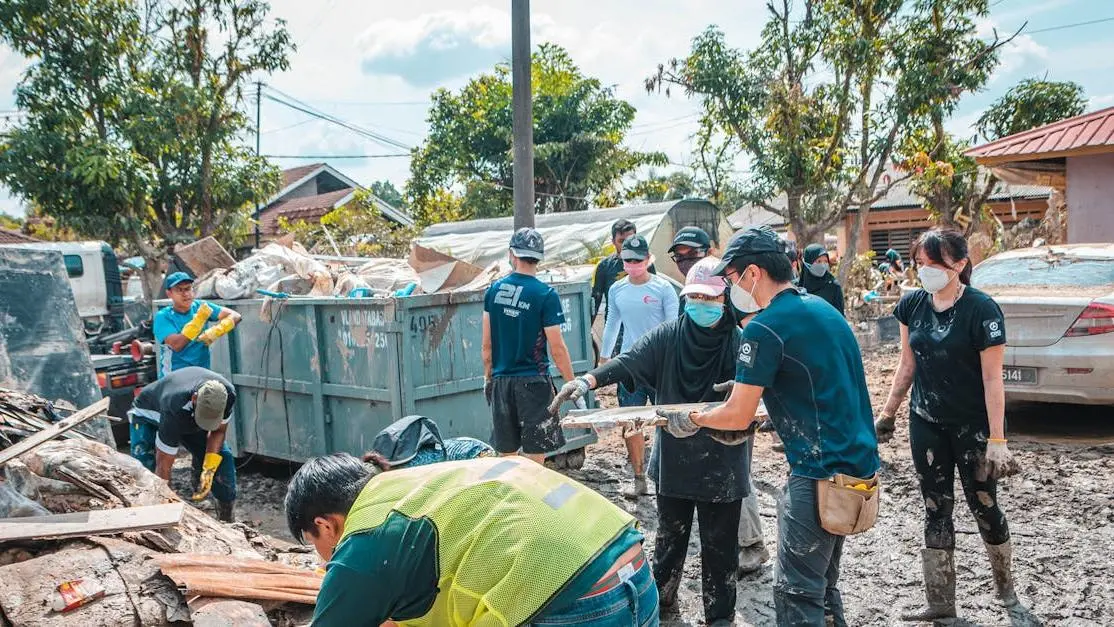
- Disaster response and crisis aid: For action-driven people, this suits those ready for urgent, impactful shifts. Fast-paced, rewarding.
- Animal rescue and welfare: Needed by anyone who loves caring for animals; perfect for both hands-on help and remote support positions.
Even micro-volunteering—brief, focused activities—lets you make a real difference. One hour helping a neighbor with errands or joining a local clean-up counts.
Local, Global, and Virtual Volunteering
Modern volunteering is accessible. Whether you want to show up in-person, support global causes online, or find micro-actions close to home, you have options.
Remote and virtual roles became more common during the pandemic and haven’t slowed. Short on transportation? Limited mobility? There’s a spot for you. Skills-based volunteering (graphic design, tech help, social media) goes wherever you do.
Your values, your time, your rules. The world needs you on your terms.
How to Work as Volunteer: Simple Steps to Get Started
Ready to start? The steps are simple and direct. Volunteering shouldn’t be a mystery. Here’s our straight path.
Looking for a way to get involved in your community?
Check out Gathr — a new app that makes it easy to find volunteer opportunities anywhere.
Find Opportunities →
Steps to Launch Your Volunteer Journey
- Decide why you want to volunteer. Think about what you hope to give, build, or learn. Ground yourself in a clear “why.”
- Explore opportunities. Search online volunteer platforms or community boards, check in with schools, libraries, and local centers, or use peer-to-peer networks like Gathr to find immediate needs for help.
- Match with your priorities. Focus on skills you want to use, the causes you care about, and how much time you have.
- Reach out directly. Introduce yourself, ask questions, and clarify expectations about the responsibilities and time commitment.
- Complete onboarding. Many groups offer in-depth orientation, quick online training, or background checks. Some events allow you to just show up and join.
First-timers notice the difference when there are digital platforms that match opportunities to skills, streamline onboarding, and use instant messaging for coordination.
Clear goals, small commitments, and the right fit triple your odds of making volunteering a lasting, positive experience.
If you’re unsure, try a one-time event or shadow a current volunteer. The point is to get moving. The momentum builds from there.
What to Expect When You Volunteer for the First Time
Your first day volunteering isn’t about perfection. It’s about presence, participation, and learning. Preparation helps, but support and structure make it easier.
You’ll likely get a quick orientation, resource packets, or even a training session. Experienced volunteers often welcome newcomers and explain what matters most in your first shift. Don’t know what to do? Ask. Feeling nervous? You’re not the only one.
You’ll probably meet a supportive crew, get a rundown of your tasks, and quickly see how your work will help real people or causes. Many people feel immediate pride and a sense of belonging after their first volunteer action—even if it’s something small. Every question you ask, every step you take, brings you closer to impact.
Small wins on your first day unlock confidence and build the foundation for bigger acts of service down the line.
Reflection matters. Take a few minutes after to notice what went well, what surprised you, and how you can use those lessons the next time you work as a volunteer. That’s where growth begins.
gathr_volunteer_widget]
Facing Common Challenges: Fears, Misconceptions, and How to Overcome Them
Doubts and hesitations are normal. When you start to work as volunteer, you’ll probably wonder if you have enough time, if you’ll be helpful, or if you even belong. Those barriers fade when you see real stories of people who pushed through.
Common obstacles people face—and practical ways to address them:
- Worried about time? Micro-volunteering and remote roles fit busy lives. If you only have a spare hour, that’s enough to make a genuine impact while still keeping your commitments elsewhere.
- Not sure you’ll be useful? Peer-to-peer platforms let you match your real-world abilities (from grocery runs to online support) to urgent needs. Every skill matters, even ones you didn’t think were special.
- Accessibility concerns? Many organizations and apps now build in options for people with disabilities, families who want to serve together, or those who need support with transportation or technology.
- Fear of newness? New volunteers aren’t alone. Most groups encourage questions, give extra guidance for new joiners, and have feedback loops to help you adjust quickly.
You may feel out of place initially, but most people look back after their first day and realize their doubts kept them from something meaningful.
Everyone has a first day. Doubts fade when you see the direct results of your effort and start building lasting connections.
Taking the first step—no matter how small—is what counts. The more you show up, the easier it gets.
Finding and Leveraging Tools: Peer-to-Peer Platforms and Technology
Technology has changed how you work as volunteer. You don’t need to wait for a call from an organization or a formal recruitment push. With Gathr, you access a toolkit designed for real-time, people-focused action.
We connect you to local and global needs within seconds. You scroll, match, and commit without endless forms. Gathr’s platform lets you:
- Get instant matches to people or causes based on skills, location, schedule, or mission focus.
- Track your hours, contributions, and impact, so you see your growth and progress over time.
- Communicate directly with fellow volunteers and those who need help, keeping the process clear and flexible.
- Join community boards and feedback groups for advice, accountability, and celebration.
Community-driven platforms like Gathr cut out the middle steps, letting you step into impact faster.
Digital tools remove barriers. That means less time on administration and more time actually serving.
Building Connections: Stories, Support, and the Power of Community
Volunteering is about more than just tasks. At its core, to work as volunteer means to join a living, breathing community.
When you share your story—a challenge you overcame, a heartwarming moment, a new friend made—you inspire others and cement your own commitment. Peer support is powerful: It helps you stick with new habits, gives you insights from those a few steps ahead, and turns volunteering from a solo act into a real movement.
A strong volunteer network offers:
- Storytelling forums where small wins and milestones get the spotlight
- Mentor pairing for advice, confidence, and ongoing learning
- Community events (online or in person) to celebrate, learn, and recharge
- Recognition programs to highlight every act of service, big or small
Reflect on what you get from connection: inspiration, friendship, better mental health, and the knowledge that your efforts ripple outwards.
Small stories shared across a platform or at a local meet-up inspire action far beyond your circle.
Every connection you make grows your confidence and amplifies your impact.
Setting Yourself Up for Long-Term Success and Fulfillment
Sustaining your volunteer journey requires as much intention as starting it. The goal isn’t just to show up once. It’s to build consistency and joy into your service.
Follow these tips to turn your good intentions into lasting action:
- Keep a journal or digital log of your activities, feelings, and wins. Look for patterns of what fuels you and where you want to grow.
- Set clear boundaries around your time and commitments. Over-extending leads to burnout—small, regular service beats sporadic overcommitment.
- Reflect on recognition. Whether it’s a badge, a thank you, or a public nod, notice the moments when your work is valued.
- Check in with yourself and your mentors now and then. If something feels like a chore, modify your approach. Swap roles, try a new impact area, or take a short break as needed.
- Watch for leadership and growth opportunities: many platforms—including Gathr—offer upskilling, networking, and project-lead chances.
Reflection and boundaries are just as important as your initial step in. Protect your energy. Celebrate your commitment.
Conclusion: Take Your First Step and Work as Volunteer Today
You already have everything it takes to start making a real difference. Volunteering is for people like you—people who want meaning, connection, and genuine impact in their communities.
Check your motivations, pick an action, and reach out. Your unique skills, your real-world schedule, and your hopes for the future matter, and they’re what drive actual change.
Download Gathr or visit our platform to find your first opportunity. Every act counts, every volunteer is needed, and your journey starts with a simple step.
Don’t wait. See what you’re capable of right now.