
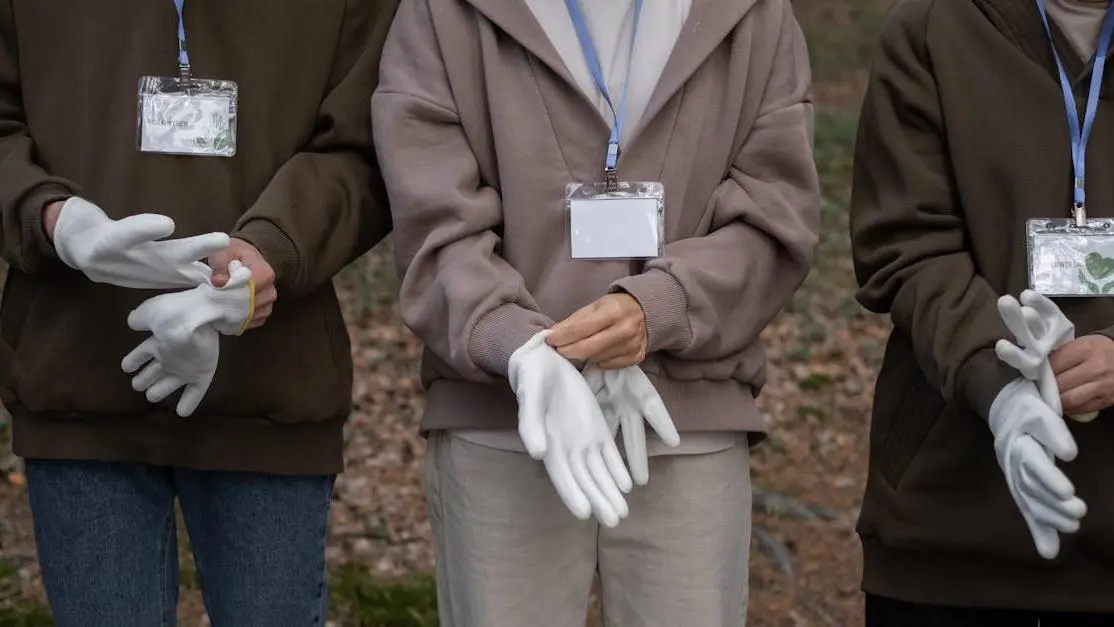
Thanksgiving volunteer opportunities are everywhere, but not every option lets you see the impact up close.
We’ve sorted through the clutter and found eight ways you can give or receive help directly—serving neighbors, supporting seniors, or joining peer-to-peer efforts.
These are hands-on opportunities designed for people who want to build real connections and feel the difference they make in their own community.
1. Community Dinner Service at Local Shelters and Pantries
Jump into Thanksgiving by serving meals in your neighborhood with highly coordinated teams that create direct impact. You get face-to-face connection with people seeking comfort and company this season—and you help build a real sense of belonging in your community.
If you want rapid, visible results on Thanksgiving, community dinner service checks every box:
- Meals served onsite mean you see the outcome—hundreds of plates shared, joyful conversations at each table.
- Roles fit all skills: greet guests, set tables, prep food, or coach kids’ activities. There’s a seat for every volunteer.
- Events that plan 3–4 weeks out run smoother and boost volunteer satisfaction, with less confusion about who does what.
- Each dinner adapts to its site: churches host buffet lines, pantries use no-cook foods like rotisserie chicken, and schools offer full-kitchen feasts.
- Best fit: If you crave teamwork, want hands-on service, and prefer events where your help directly affects holiday cheer.
Advanced sign-up tips and set role descriptions protect your energy—more time helping, less time stressing.
You gain more than a checklist moment. You become part of a tradition that brings hope to people right where you live. The impact lasts long after the dishes are cleared.
2. Meal Delivery for Isolated Seniors or People With Disabilities
Not everyone can get to a celebration. That’s where volunteer meal delivery comes in. This role brings Thanksgiving to those who might otherwise spend the holiday alone—and connects you to a forgotten group of neighbors.
Meal delivery does more than drop off food. You are sometimes the only person your recipient sees that week. You offer safety, regular contact, and dignity.
What sets meal delivery apart:
- Programs target adults over 60 with mobility or medical challenges. Volunteers guarantee the meal, but also the return trip—no one gets stranded or left waiting.
- Some routes bundle extra support, like nutrition counseling or pet food, so every visit counts.
- Health system partners deliver bigger Thanksgiving packages, often including both hot food and groceries for the week.
- Expect organized, mapped routes and training so even first-timers succeed and feel supported.
- Best for people who need flexibility or want to volunteer as a family.
Delivering a meal is more than food. It’s a wellness check, a lifeline, and proof that someone cares. You are offering certainty in a time that can feel unpredictable.
3. Hosting or Supporting a Community Dinner Event
Lead the charge or lend a hand. Community dinners turn a basic Thanksgiving meal into a festival of connection. Our target reader shines in these settings, using their creativity to unite neighbors and build bridges.
You don’t need a commercial kitchen or a fancy venue. We’ve seen teams pull off amazing events in parks, faith centers, and even shared apartment spaces.
How to Elevate Your Dinner Event
- Use The Family Dinner Project’s guide to map your plan: facilitators, helpers, clean-up, kid wranglers—everyone knows their role.
- Include fun: run a gratitude activity, organize a table game, or offer story-sharing.
- Choose ADA-accessible spaces and confirm guest needs (like allergies or parking) before sending invites.
You help more than you know. The right dinner can bring together multiple generations and create new bonds that outlast the holiday.
A good dinner event gives thanks while building belonging.
Community dinners are the ultimate team sport for volunteers who want to host, connect, and really notice the ripple effect of even small gestures.
4. Organizing or Contributing to a Thanksgiving Food Drive
Food drives put you in command of a bigger effort. You solve local hunger, one can at a time, and rally neighbors to join forces for major change.
Both physical and virtual food drives work—sometimes the best approach combines both.
Food drive essentials every changemaker should know:
- Food banks need shelf-stable, high-need items. Check their published lists to avoid waste.
- Set up collection bins at work, your school, or a faith center. Promote the most-wanted foods and share impact stats.
- Younger helpers can create posters, help sort donations, and spread the word to their networks.
- Funds beat cans for some pantries. Money lets them buy more food at better prices. Be clear with donors about this option.
- This fits anyone who wants impact at scale, prefers to mobilize a group, or seeks a short-term project.
Not all heroes serve food. Some organize the supply chain that feeds whole neighborhoods. That can be your legacy this year.
5. Peer-to-Peer Volunteering for Personalized Impact
You want something flexible, hyper-local, and direct. That’s us. With Gathr, you can plug in instantly to hundreds of direct service opportunities this Thanksgiving—and you create new ones too.
Peer-to-peer volunteering is for community builders. You control how, when, and where you serve.
Why Gathr’s peer model hits differently:
- No waiting lists. See neighbors needing Thanksgiving groceries, meal prep, or a visit—jump in directly.
- Need customization? Respond to language, cultural, or dietary needs others miss. Use your special skills, like accessible cooking or event hosting.
- Track your own impact. Snap photos with consent, share notes on connections, and escalate recurring issues to larger support systems.
- Fit for those who lead small but mighty efforts or collaborate on short notice.
You turn compassion into action, not someday—but now. Peer-to-peer means your kindness doesn’t get stuck in approval loops or lost in shuffle. You see real faces, meet real needs, and build a stronger community from the ground up.
6. Facilitating Transportation to and From Thanksgiving Events
Everyone deserves a seat at the table, but not all your neighbors can get there on their own. Volunteering as a driver unlocks access for seniors, people with disabilities, and families facing transportation barriers. Your time and your car become a direct ticket to inclusion.
Transportation support is straightforward, yet overlooked. And the impact is massive. When you remove a single obstacle, you make a holiday possible.
Top reasons to drive or coordinate rides on Thanksgiving:
- Public transit often runs on reduced schedules or shuts down for the holiday, leaving many stuck at home.
- Seniors and people with mobility challenges trust drivers who show up, stay until the end, and guarantee a safe return trip.
- Volunteers get quick training, insurance info, and backup contacts—no guesswork if a challenge pops up mid-shift.
- Small touches (helping with walkers, confirming pick-up times) lower stress for guests and boost reliability.
- Best for readers with a flexible schedule and a reliable car—especially ideal if you want a crucial, one-on-one volunteer experience.
Remove the travel barrier, and you set off a chain reaction: fuller rooms, stronger communities, and more true belonging.
7. Supporting Disaster Response Thanksgiving Initiatives
Some holidays hit during chaotic times—floods, fires, or other crises. Quick volunteer action keeps Thanksgiving alive for families under stress. Disaster response means flexible, resilient help right where it’s needed most.
This work may be intense but drives instant, visible impact. You’re often a first responder for both food and emotional support.
Key ways to support Thanksgiving disaster response:
- Assemble emergency meal kits and comfort packs for families in short-term shelters.
- Staff pop-up dining areas or community halls, often working with community centers and health partners.
- Help with cleanup so neighborhoods can gather safely and rebuild their sense of normalcy.
- Expect hands-on training, structured roles, and basic safety checks. Disaster work rewards flexibility, patience, and a readiness for whatever comes.
If you want the biggest possible impact in a high-stakes setting, this is your lane. You’ll meet people at their toughest, and your help will mean everything in that moment.
8. Skill-Based Volunteering: Education, Coaching, and More
You don’t have to serve food to serve your community. Skill-based volunteering slots you in where your unique talents shine—holiday crafts, leading games, music, event photography, or coaching.
Thanksgiving events often lack creative energy and engagement. That’s where you come in.
Five in-demand skill-based roles:
- Host craft tables for kids or teens. You provide a fun, memorable break for families.
- Run trivia, music, or conversation sessions, building connection for shy or nervous guests.
- Photograph events (with consent), helping organizers capture impact and memories.
- Tutor or read with children—transform one day into a season of learning.
- Offer digital or event management skills. You lift up host organizations and make things run smoother.
Best for volunteers who love to lead, teach, or entertain. You’ll leave a unique mark, while the direct feedback and gratitude from guests add fuel to keep giving.
Skill-based service boosts morale, creates lasting memories, and draws new people into community traditions.
Looking for a way to get involved in your community?
Check out Gathr — a new app that makes it easy to find volunteer opportunities anywhere.
Find Opportunities →How to Choose the Best Thanksgiving Volunteer Opportunity for You
Sorting through dozens of Thanksgiving volunteer opportunities can leave you spinning. We simplify it so you land in the place with the biggest personal impact.
Take 60 seconds and cover these questions:
- Do you want to work hands-on (serving meals, delivering food), or prefer support roles like driving, organizing, or managing behind the scenes?
- Are you going solo, or bringing friends or family to multiply the impact?
- Is this a one-time shift, or are you seeking a new tradition?
- Do you need a role that’s accessible, flexible, or fits special skills?
- Are you okay working in fast-changing environments (like disaster response) or do you prefer well-defined, calm tasks?
Every answer helps narrow your options, focusing your energy where it matters most.
Be ready: slots usually fill fast at popular projects. If you strike out, don’t stop. Peer-to-peer volunteering, virtual food drives, and micro-actions (like support calls or doorstep meal drops) fit any schedule.
Bring a friend. Make a pledge. Set a calendar reminder—and turn good intentions into good impact.
No matter which path you take, one hour of your time can inspire a wave of positive change.
Thanksgiving volunteering is about acting on gratitude. When you step in, you help your whole community thrive. Decide where you’ll serve, commit, show up—and watch your efforts change lives, including your own.