
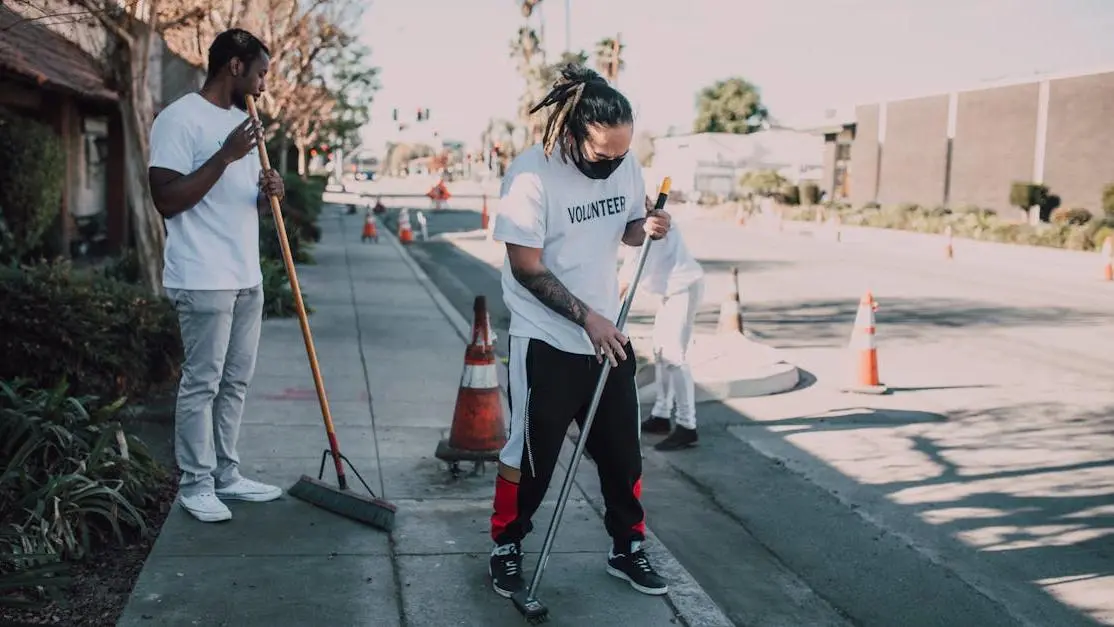
Volunteer and community service means giving your time, skills, or support—freely or as part of a program—to help others or improve a cause around you.
Anyone can take part, whether you’re helping a neighbor directly, joining a local cleanup, or pitching in online from home.
Both formal and informal opportunities count, from one-off tasks to regular team projects. Small acts, like offering to run errands, and group efforts, such as organizing community drives, all help build stronger, more connected neighborhoods. If you want simple, direct ways to make a real difference, volunteer and community service is a practical place to start.
Understand What Volunteer and Community Service Really Means
Want to help, but not sure what “volunteer and community service” actually means in the real world? Here’s what matters most: your choice to give your time, skills, or attention—no pay, just impact. There’s a world of ways to get involved, from five-minute favors to full-scale projects. Let’s break down what’s what, how it works, and what makes the experience different for you.
Core ways volunteer and community service play out:
- Purely voluntary: You set the rules. This service is powered by intrinsic motivation, not by force or requirement. You help because you care.
- Community-centered: Actions target bigger benefits—cleaner parks, safer blocks, people supported when they need it most. The impact goes beyond individual good deeds.
- Formal or informal: Some roles require checks, onboarding, scheduled training. Others are spontaneous, lightweight touchpoints: help a neighbor, join a peer-to-peer app, say yes to a quick job.
- Blurring lines digitally: Gathr, for example, puts “acts of service” in your hands through easy peer-to-peer matching. You can scroll, choose, and respond—no paperwork or bureaucracy. This removes barriers and creates direct, human impact.
- Options for everyone: Whether you’re after mandatory hours for school, building a resume, or doing good for its own sake, there’s space for you to give and grow.
Formal roles (like at a hospital) often need supervision or paperwork. Community service for court or school credit usually means tracking hours, having a supervisor, and getting documentation. If you’re looking for fast-impact, local, or informal ways to help, micro-volunteering or peer platforms cut through the administrative noise.
Not every “good deed” qualifies for official credit, but every act of kindness builds social capital.
Recognize the Life-Changing Impact of Volunteering and Community Service
Giving your time is more than a nice gesture. Volunteering can shift your mindset, your health, and your connections to your neighborhood. The evidence is powerful. When you put yourself out there—even for a short stint—you tap into benefits that ripple through your own life and those around you.
Personal Benefits: How Volunteers Level Up
You’ll notice quick wins:
- Happier moods and lower stress appear even after a few sessions helping others, especially among those who sign up with a sense of purpose.
- Stronger self-confidence grows as you tackle new tasks, meet different people, and see tangible results.
- Resume boosts: Soft skills like communication, leadership, and teamwork show up in interviews and job performance.
- A sense of purpose: People who volunteer regularly (especially older adults and those driven by cause-based motives) report higher life satisfaction and even lower mortality rates.
Community Benefits: Real Change on Your Block
When you give, you raise up your whole community:
- Local projects bring people together, increasing trust and resilience.
- Neighbors become friends, and surprise support networks form in crisis—tightly-knit streets weather storms better.
- You build visible, practical upgrades: cleaner parks, delivered groceries, support for kids or the elderly.
Programs that offer quick feedback, recognition, and even short moments of reflection help you—and everyone you serve—reap bigger rewards.
Helping others isn’t just good for the world; it’s proven to be good for your health, career, and mindset.
Identify the Different Types of Volunteer and Community Service Opportunities
Service can look like anything from a quick task online to running a recurring neighborhood clean-up. The “right” fit is the one that matches your values, schedule, and strengths. There’s no single way to serve.
Popular Volunteer and Community Service Categories
- Environmental: Litter patrol, planting, or recycling drives rapidly improve public spaces; great for hands-on helpers.
- Education: Tutoring after school, reading to kids, or mentoring teens directly raises achievement and confidence; ideal for those wanting high impact quickly.
- Community Action: Food drives, pop-up mutual aid, and peer-to-peer offers (like on Gathr) flex to fit a busy life; best for hyper-local impact.
- Healthcare Support: Caring calls, hospital volunteering, or mental health support shift loneliness and bring comfort; perfect for those who love meaningful one-to-ones.
- Disaster Response: When crises strike, tasks like distributing supplies or check-in calls make neighborhoods resilient; designed for those ready to jump in fast.
- Virtual Volunteering: From online tutoring to remote admin or support, digital tasks erase distance; fits around your digital day.
Want to start small? Gathr features options like “15-minute neighborhood jobs”—low friction, big impact. Community, not complexity.
Micro-volunteering opens the doors wide. Fifteen minutes of your time can start a chain reaction of good.
Discover Why People Choose Volunteer and Community Service Roles
What really motivates someone to act? It isn’t just about being generous or filling a requirement. The real drivers go deeper—and understanding them can change how you approach giving back.
Top Motivations for Volunteering
- Purpose and meaning: People look for chances to do something that matters. This leads to greater well-being gains, especially when compared to tasks done for credit alone.
- Giving back: Many want to share luck, gratitude, or skills in a direct way. Acts of service help them turn that wish into real action.
- Leading by example: Parents and mentors see service as a way to show what good citizenship looks like.
- Connection and belonging: Social ties get stronger. Community becomes less abstract and more personal.
Doubt creeps in for a lot of people. Am I needed? Will my effort matter? The answer is yes—and micro-volunteering models prove that you don’t have to commit for life to make a real difference.
Volunteers thrive when their work aligns with their values, skills, and sense of identity. Small steps, real growth, huge returns.
Solve Common Barriers to Getting Started
You want to help. But life moves fast, your to-do list is packed, and choosing the “right” way to serve can feel overwhelming. We get it. The barriers are real—but the solutions can be simple.
Shortcut Strategies for Getting Involved
Here’s how you can move from stuck to started:
- Micro-commitments win: Start with a quick, measurable task—15 to 30 minutes. This slashes the time hurdle and builds momentum.
- Use your strengths: Match a simple skill with a need. Maybe you’re great at organizing, listening, or carrying groceries.
- Local counts: Small acts for people nearby have immediate impact. Helping a neighbor on Gathr, joining a one-off event, or jumping on a local project—all fit your schedule.
- Go digital: Prefer remote? Wellbeing calls, online admin help, or app-based tasks let you jump in from anywhere.
- Lower the pressure: Pick “no experience needed” roles at the beginning. Choose short-term or once-only tasks to boost your confidence.
If you’re time-strapped, try this: Pick one thing, put it on your calendar, and invite a friend. Block out doubt and focus on action.
The best step is the next step. Small acts, done now, turn intention into impact.
Explore the Differences Between Volunteering and Community Service
Many people use these words interchangeably. But there are key differences that matter, especially when you’re choosing how to help—or need official credit.
Breaking Down the Basics
- Volunteering: 100% your choice. No outside requirement. Driven by who you are and what you value. You decide when and how much to give.
- Community Service: Sometimes mandatory (school, court, or work requirement). Structured, tracked, and supervised. May need specific documentation to count.
The activities often overlap—food bank shifts, park cleanups, peer help—what matters is the why and how. Volunteering usually delivers stronger personal growth, because you choose it for you. Community service still helps people, but it feels different if you’re there only to tick off hours.
If you need hours for credit, check requirements upfront. Make sure your service matches the documentation needed. But don’t overlook opportunities for real satisfaction and growth, no matter why you start.
Your motivation matters as much as your action. Intrinsic commitment always brings bigger rewards.
Maximize Your Impact With Peer-to-Peer and Collaborative Service
You’re not alone in wanting to help—and you shouldn’t have to jump over hurdles to do it. Peer-to-peer and small group projects let you offer, request, and join forces for a bigger boost. That’s the Gathr difference.
Peer-powered apps like ours break down barriers. You don’t need an invitation or a committee. You just need a willingness to act.
- Direct requests: See a posted need, fill it quickly—no middleman. Example: A neighbor requests a wellness check call; you respond in minutes.
- Team up: Join a CleanUP drive, help plant trees, or co-host a local event. Collaboration charges up impact fast.
- Ownership and pride: Small groups foster real investment. You see the difference, you know the people, you drive the momentum.
We’ve watched thousands mobilize through Gathr: neighbors organizing food runs, students running quick errands, and friends building creative local initiatives together. The result? Trust grows, and efforts scale.
When you connect directly to each other, you build community while creating change. Every small offer or request kick-starts a chain of good.
How to Start Right Now: Simple Steps for First-Time Volunteers
Don’t wait for perfect conditions. Start where you are, use what you have.
- Pick one cause: Pick something you care about—something that matters to you personally.
- Choose one skill: What’s an easy thing you can offer? No talent is too small. Maybe it’s time, muscle, or conversation.
- Act this week: Commit to one job, even if it’s just 15 minutes. Make it official—put it in your calendar or post it publicly on Gathr.
Pro tip: Tell a friend, pair up, or share your check-in for some built-in accountability.
After your first action, ask yourself: What worked? What would you change? Keep notes, celebrate wins, and let that feeling of purpose motivate your next contribution.
The leap from thinking to doing always feels big, but it shrinks with your first step.
Looking for a way to get involved in your community?
Check out Gathr — a new app that makes it easy to find volunteer opportunities anywhere.
Find Opportunities →Conclusion: Move From Intention to Action and Build Community Impact
Volunteering and community service aren’t for “other people”—they’re for you, right now, no matter your situation or schedule. Start small but start soon. Move past analysis and into real impact.
Pick a need. Take an action. Pass the habit on. You could join Gathr—find or create a local task, log your win, and feel the lift. Give help. Request help. Grow connections that last. Today is your chance to lead change, one meaningful action at a time.