
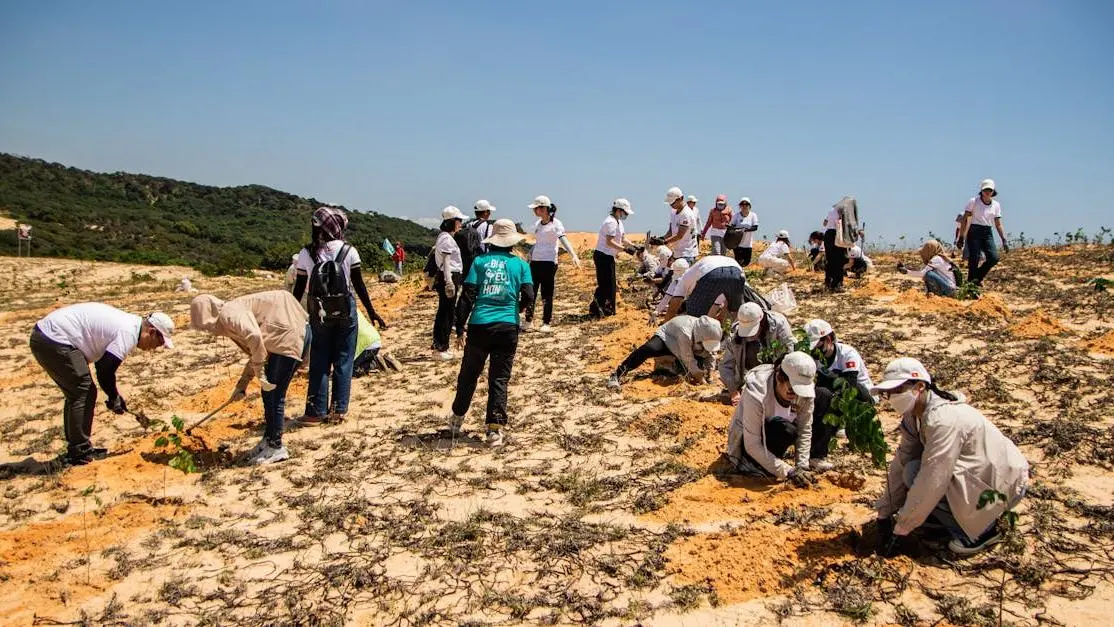
If you want to volunteer for the environment but feel unsure where to begin, you’re not alone—most of us care deeply about nature yet wonder if our efforts really count.
With climate concerns rising and our daily routines packed, it’s natural to seek flexible, meaningful ways to help.
We’ve designed this guide to help you:
- discover accessible, hyperlocal ways to volunteer for the environment
- see how everyday actions—like park cleanups or citizen science—lead to measurable change right in your neighborhood
- learn practical steps to track your impact and connect with a community of motivated peers
Why Volunteer for the Environment?
Urban life keeps most of us indoors, disconnected from the wild and even from neighborhood green spaces. Volunteering for the environment is how you fix that. It is tangible, trackable impact. It’s action, not just talk. Here’s what happens when you step up:
What environmental volunteering delivers:
- No more “eco-anxiety paralysis” — you shift from worry to solution by giving a few hours and see those changes in cleaner parks, reduced plastic, or restored habitats.
- Urban gardening, tree planting, local clean-ups, and citizen science boost mental health, fight loneliness, and rebuild your connection to where you live.
- Every small action counts: picking up trash, monitoring a river, pulling invasive plants. These wins add up — for example, volunteers removed over 33,000 lbs of litter from Houston’s waterways last year.
- Science proves it: environmental volunteering lifts mood, strengthens social ties, and gives a sense of purpose that lasts.
- Volunteers get things done that cities and agencies cannot alone. Over 80% of urban stewardship programs rely on people like you to run projects and maintain public land.
Everyone feels better when their city thrives. When you make these contributions, you see the difference and become a model for others.
Fact: More than half the world’s people are now city dwellers, so urban-focused action, like local clean-ups and planting projects, is where help is needed most.
Common Barriers and How to Overcome Them
You want to help, but obstacles pull you away. Not enough time. Confusion about where to start. Doubts about whether your solo effort even matters. You are not alone. Our users bring up these same issues, so we’ve built solutions that deliver real, fast results.
Why barriers hold you back
Many think volunteering needs hours every week, special skills, or belongs only to seasoned activists. That’s simply false. Environmental impact comes in all sizes. What counts is showing up consistently — even for a short, focused burst.
Barriers we see (and how to beat them):
- Lack of time? Micro-commitments work — short shifts, weekend mornings, even one-hour events. These reduce the time barrier, especially for busy families.
- Unsure where to start? We curate real projects by real people, with direct sign-ups. No more endless searching.
- Question your impact? Every bag of trash, every tree planted, every invasive pulled gets counted and logged. That’s instant feedback and proof your work means something.
- Want it personal, not anonymous? At Gathr, you connect directly with community organizers and neighbors, not just big organizations.
When people see clear instructions, rapid onboarding, and impact stats, they act. That’s why transparency around hours, pounds, and acres is always a feature on our platform.
Start small. Even a 60-minute cleanup can spark a new habit and change how you see your role in your city.
How Volunteering Positively Impacts the Planet and You
When you volunteer, you invest in the planet — and in yourself. The changes ripple out, touching your neighborhood, your well-being, your sense of agency. Results speak louder than talk. Here’s what gets done:
Trackable, visible changes
You don’t need to guess if your efforts matter.
- Volunteers in Houston-Galveston yanked 33,000 lbs of trash off shorelines in 2023, cleaning waterways for wildlife and families.
- Over 626 native trees went into the ground last year through Trees for Texans. These trees cool the air, fight pollution, and anchor the ecosystem.
- Citizen scientists have helped restore over 11 million acres, with nearly 1,000 species benefiting from improved habitats.
Personal transformation
Environmental action is a mental health boost. Clean-ups and plantings mean more outdoor time, more steps, and less stress. Volunteering strengthens community ties and grows your network. Learning something new, tracking impact, and seeing results feeds a sense of achievement.
Social proof and growing influence
When you share your clean-up before-and-after, invite friends, or mentor newcomers, you multiply the effect. Teams who volunteer together log higher engagement and better results — and new habits stick when people support one another.
The key: You see real results, both on the land and in your own confidence.
A Simple 3-Step Path to Get Started and Succeed
Getting involved with environmental volunteering does not need to be overwhelming. Here’s how you start without overthinking or stalling:
Your clear, proof-based system to making an impact:
- Pick your cause: Choose what moves you most. Maybe you care about river pollution, tree cover, or urban food deserts. Focus fuels follow-through.
- Match your schedule and strengths: Prefer hands-on? Join a park clean-up. Like data? Help with citizen science. Little free time? Find a one-off, one-hour event via Gathr.
- Commit to action this week: Sign up, RSVP, or send a message to a local lead. Set a reminder. Micro-commitments boost follow-through and reduce excuses.
Take a snapshot before and after your action. See the difference. Invite a friend. The key is to act, track, and stick with it.
The only way you will see results is by starting. One step. This week. That’s how bigger change begins.
Personalize Your Volunteering Experience: Self-Assessment and Starter Toolkit
Volunteering hits harder when it lines up with your strengths, interests, and availability. Some want hands-on field work. Others gravitate to digital help or event logistics. We built this next section to make finding your fit fast and frictionless.
Self-Check: Where do you shine?
Use these questions to target your best starting point:
- Do you like being outdoors, or do you prefer indoor or remote tasks?
- Want to work in groups, with family, or solo?
- Can you commit regularly, or do drop-in events suit you best?
- Love details and tracking data, or work best leading, organizing, supporting others?
Your answers point your path. If you enjoy fresh air, local clean-ups or restoration fit. Prefer digital? Try citizen science projects or community outreach online.
Starter Kits: Prep for Success
Don’t get caught off guard. Here’s what to bring and expect for some top roles:
- Field Clean-up: Gloves, sturdy shoes, trash bags, grabber tool, water, sunscreen. Go with a friend or group for bigger impact.
- Tree Planting: Shovel, water bottle, weather gear, basic instruction. Watch a quick demo if new.
- Citizen Science: Device with camera or app, quick how-to guide, notebook. Logging species data compounds impact.
- Event Support: Clipboard, contact sheet, snack, checklist. Help boost turnout and keep projects on track.
- Advocacy or Outreach: Ready-made script, flyer, email template. Spread the word and get more hands in.
Preparation means less stress and faster wins, whether you’re a first-timer or leveling up.
Quick Connect Scripts
Make your first contact easy. Try something like:
Hi, I’m [Your Name]. I’m interested in [activity]. Are there upcoming events or steps I should know before joining? What should I bring?
This puts you in the driver’s seat and shows you’re serious.
Track Progress, Celebrate Wins, and Grow Your Impact
Momentum builds with milestones, not massive moves in one go. The key is to set goals, track results, and celebrate each step. We make this part easy and rewarding across every Gathr project.
Simple Tracking
You don’t need fancy tools—just a basic tracker or notes app. Examples:
- Bags or pounds of trash removed
- Trees, shrubs, or native plants added
- Number of hours or days volunteered
- Species identified or monitored
Share photos or details with your group. Ask organizers to publish progress. When pounds or hours stack up, pride (and motivation) grow.
Small wins, celebrated often, turn giving back into a habit.
Recognition and Visibility
We recognize volunteers with digital badges, shout-outs, and highlights in the app and social feeds. Milestones unlock new levels of community status. Your story inspires others to join, especially when you post before-and-after shots.
Bring a friend next time. Lead an event when ready. Every action makes the next easier.
Success Stories: Real People Making a Real Impact
The best inspiration comes from everyday people, just like you. Their efforts add up and prove that change is possible.
- A student team restored a city park, removing hundreds of pounds of waste and attracting native birds back to the trees.
- A retiree led neighbors to start composting, slashing landfill use and producing rich soil for local gardens.
- Family groups host monthly river clean-ups, transforming muddy, littered banks into inviting green corridors that now boost local wildlife.
Data matters, too—last year Houston volunteers kept 33,000 lbs of litter out of waterways. The Trees for Texans project put 626 new trees in the ground, cooling playgrounds and cutting neighborhood air pollution.
See the change on the ground. See it in the data. See it in the faces and stories of those involved.
Your single act multiplied by others builds a movement—faster than you think.
Frequently Asked Questions About Environmental Volunteering
You likely have questions before starting. We’ve gathered answers to the top ones we hear most.
Quick answers for real concerns:
- What if I have no experience? Most projects give you hands-on training. Bring curiosity, and everything else can be learned on the spot.
- Will small commitments make a difference? Consistency matters more than hours. Projects like trash pick-ups or tree plantings scale impact quickly as more people join.
- Are there remote or at-home options? Yes! Citizen science data entry, digital outreach, and online organizing all count and help drive measurable change.
- How do I know if my effort really matters? Only join projects that report metrics—like bags of trash collected or trees planted. We build this transparency into Gathr.
- What about safety? Follow instructions, use the gear suggested, and ask about safety at sign-up. Most activities set easy protocols for safety and risk.
- Can I bring kids or a group? Absolutely. Many projects are family-friendly or offer group sign-ups. Volunteering together builds bonds and delivers big, fast results.
- Where do I start? Gathr (https://gathr.gives) curates peer-to-peer and local opportunities, always with impact front and center.
Looking for a way to get involved in your community?
Check out Gathr — a new app that makes it easy to find volunteer opportunities anywhere.
Find Opportunities →Conclusion: Transform Concern Into Action and Join a Movement
It’s easy to get trapped in worry, but action is what changes things—one person, one step at a time. Every street cleaned, tree planted, and neighbor rallied by volunteers creates lasting environmental wins.
Claim your role as an environmental steward today. Take that first, simple action. Connect to motivated peers. Track progress and celebrate your impact.
Start right now with Gathr. Choose your cause, find one achievable action this week, and discover just how powerful your contribution can be.