
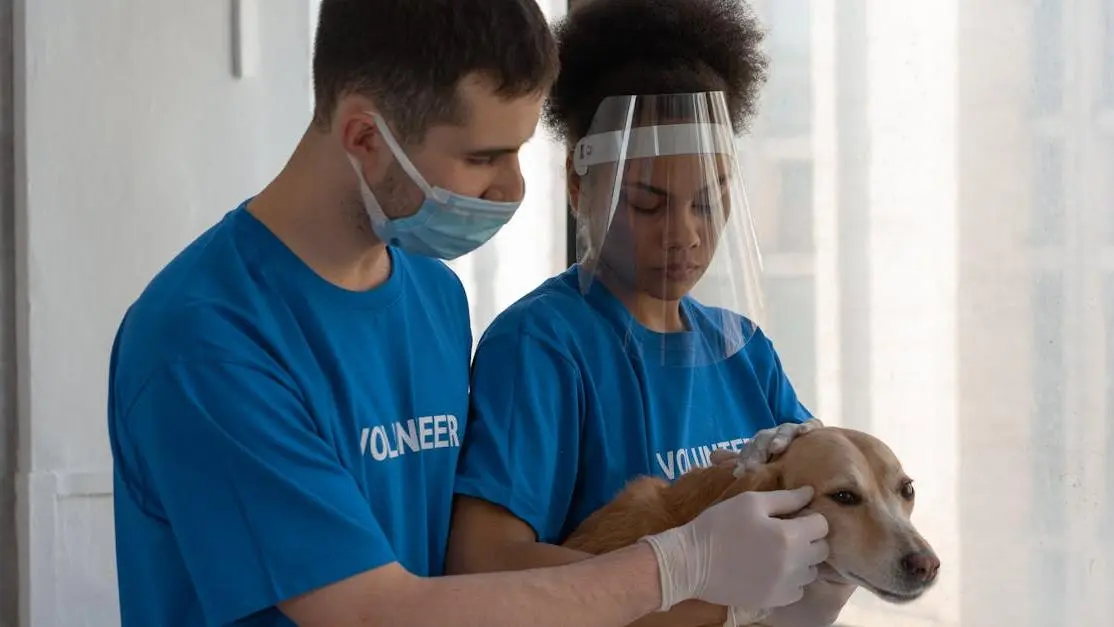
Animal rescue volunteering brings people together to create direct, positive change for both animals and neighborhoods.
If you care about building genuine connections while making a meaningful impact, you’re not alone—many feel unsure about where to start or whether small acts really make a difference.
We’ve put together a practical guide to help you:
- Find animal rescue volunteering options that fit your lifestyle
- Explore key roles, including peer-to-peer support beyond traditional organizations
- Learn how even small, flexible commitments strengthen your community
What Is Animal Rescue Volunteering and How Does It Make a Difference?
Animal rescue volunteering is hands-on, human-centered action that supports animals facing hardship and actively uplifts neighborhoods. When you step in to help—whether through fostering, transport, supply drives, or education—you impact not only animals but the health, safety, and spirit of your community.
Direct actions that spark change in animal rescue volunteering:
- Shelter volunteering: Taking on daily care tasks, you keep animals safe and help shelters avoid overcrowding. Best-fit for anyone who wants structure and clear protocols.
- Foster programs: Opening your home to animals between homes relieves crowding and transforms outcomes. Ideal if you want a flexible, short-term commitment that delivers proven shelter impact.
- Transport and outreach: Driving animals to fosters, clinics, or adoption events multiplies live-release rates. Suits action-oriented people who thrive on variety and quick results.
- Disaster or emergency support: Responding fast with temporary housing or supplies keeps animals and people safer in crises. Works best for those who want direct, high-stakes involvement.
Volunteers bridge the urgent gap between what animals need and what overworked shelters can provide. Research confirms: well-trained, task-focused volunteers boost safety, reduce stress illness in animals, and are critically important for population management programs.
When you lend your hands and heart to animal rescue, you move beyond charity—you unlock resilience, belonging, and real change for your community.
We created Gathr because the best solutions don’t always come from big institutions. Gathr’s peer-to-peer platform empowers you to connect with local needs quickly, without bureaucratic barriers, so your impact is immediate and personal.
Why Choose Animal Rescue Volunteering as a Path to Community Impact?
Every effort you make—no matter how small—directly improves animal lives and strengthens community bonds. You might be drawn to rescue because you care about animal suffering, or maybe you want your actions to matter on a bigger scale. Either way, science backs the payoff.
Volunteering Reduces Barriers and Brings Real Benefits
Structured outreach and emotional support increase volunteer retention, and micro-volunteering makes involvement fit busy schedules. Even one transport trip or overnight foster helps shelters move the needle on adoptions and live-release rates.
Personal and community wins that stem from animal rescue volunteering:
- Healthier, safer neighborhoods through managed stray populations and bite prevention.
- Lower stress, stronger purpose, and better mental health for volunteers.
- Practical skill-building in animal handling, transport, and community organizing that spills into every part of your life.
- Clear, visible contributions—more adoptions, fewer shelter days, and stronger support networks.
If overwhelm or guilt ever stops you from starting, remember: success in animal rescue lives in small but ongoing action. Every single shift, drive, or supportive message counts.
How Does Peer-to-Peer Volunteering Empower Community Members?
Peer-to-peer volunteering turns everyone into a changemaker. You no longer wait for organizations to set things up. You take initiative, solve challenges with neighbors, and create results faster.
Direct Involvement Increases Agility and Scale
With peer-to-peer models, like Gathr, you offer or request help in real-time. This structure is perfect during disaster response, urgent transports, or short-term fostering. Every direct connection speeds up solutions and lowers the risk of animal suffering.
Local people, flexible commitments, and shared care combine to generate momentum and maximize local impact.
Peer-to-peer volunteering opens doors for people who distrust centralized groups or want more say in how they help. Community-driven teams, as proven in city-level outreach programs, reduce risks from roaming dogs and boost compliance with spay/neuter and licensing. Even ad-hoc adoption events and volunteer drivers lift live-release rates and decrease euthanasia when time is tight.
What Are the Most Impactful Ways to Volunteer in Animal Rescue?
You can make a huge difference no matter how you choose to get involved. The myth that only full-time volunteers change lives is busted by the data.
The Roles with Maximum Impact for People Like You
- Fostering animals: Home-based care cuts shelter stress and raises adoption rates. Especially powerful for animals with special needs or long-term cases.
- Transporting animals: Connecting animals with fosters or medical care means more lives saved and happier endings. Fits any schedule, from single trips to regular routes.
- Supply drives: Collecting food, crates, or medicine keeps shelters operating during crunch times.
- Shelter support: Cleaning, enrichment, or daily care in shelters boosts animal health and adoption speed.
- Disaster action: Rapid-response volunteers enable temporary placement, urgent care, and supply distribution in emergencies.
You can also run education events or help create digital profiles for adoptable pets. These “non-handling” roles—often missed by new volunteers—create real results.
How to Find and Join Local Animal Rescue Volunteering Opportunities
Joining animal rescue efforts is easier than ever. You just need a clear overview and a reliable way to get started.
How to quickly find your path:
- Reach out to local shelters or grassroots groups to ask about onboarding and protocols.
- Use peer-to-peer platforms like Gathr to discover real-time needs, from supply runs to fosters, matched to your skills and location.
- Research safety practices—look for programs with clear training, sanitation, and support structures.
- Join community groups online or attend local fairs to learn from active volunteers.
Most opportunities start with a short orientation or trial shift. Ask questions about safety, emergency response, and support, then pick a role that lets you make the biggest difference with your time and energy.
Taking just one step—like signing up for a shift or responding to a local need—builds momentum and delivers immediate good.
What Are the Benefits of Animal Rescue Volunteering for Volunteers and Communities?
Getting involved in animal rescue volunteering changes more than animal lives. It shapes your health, your connections, and the heartbeat of your city. When you help rescue, you unlock networks of empathy, public safety, and deeper belonging—benefits that research consistently confirms.
Double the Impact: For You and Your Community
- Lower stress and sharper purpose—volunteers regularly report reduced depression and increased well-being.
- Better public safety—loose animal populations drop when communities mobilize, preventing bites and crowding.
- Real growth—learning animal handling, communication, and organizing skills builds your confidence and resume.
- Shared trust—communities trust and support each other more after seeing neighbors step up.
- Higher adoption and live-release rates—your efforts directly increase animals leaving shelters for new homes.
One evening supporting an adoption event or bringing in donations starts a wave. That’s forward momentum you feel and see in your block, your park, your daily life.
The “biophilia effect” means helping animals is hardwired as a rewarding, deeply human act.
Animal rescue volunteering attracts new friends. It lays the foundation for mutual aid. Even small, occasional contributions inspire others. Those collective acts become the bedrock of safer, kinder neighborhoods.
How to Make a Sustainable Difference With Limited Time or Experience
Not everyone has hours to spare. You might feel pressed for time or unsure about your abilities. That’s normal—sustainable action is about fit, not volume.
Smart Strategies for Everyday People
- Block your calendar for one regular micro-volunteering shift; one evening can make a difference.
- Partner with others. Sharing the load builds support, keeps things fun, and strengthens commitment.
- Start with small, easy tasks—transport, supply runs, or digital marketing—then level up as you grow.
- Track your impact. Use a notebook or app to follow how many animals you’ve supported, and celebrate progress.
- Practice self-care. Rotate your roles, talk to fellow volunteers, and take breaks. Avoid burnout by setting healthy boundaries.
Staying effective means acknowledging both the rewards and the risks of compassion fatigue. Taking breaks and sharing responsibility maintains your ability to keep contributing long-term.
Even one hour a month, repeated reliably, matters more than a single heroic act.
Training isn’t just for experts. Most programs focus onboarding on practical skills and quick wins, so new volunteers build confidence fast.
Frequently Asked Questions About Animal Rescue Volunteering
You’ve got questions. Great volunteers always do. Here’s what to know before you dive in:
- Do I need specialized training?
Most opportunities include quick, task-based training. Shelters often require you to show you’re ready before unsupervised work starts. - How much time do I need?
Many programs offer flexible commitments. Micro-volunteering means even short, focused shifts are valuable. - What if handling animals isn’t for me?
There’s space for you in organizing, supply gathering, digital promotion, or supporting adoption events. - Can I help from home?
Yes. Fostering, virtual marketing, and fundraising drive rescues forward without leaving your house. - Is it safe?
Look for groups following strict safety protocols—cleaning rules, PPE, and clear reporting lines signal a healthy, volunteer-friendly program. - How can I be sure my effort counts?
Track numbers—transports done, fosters placed, supplies delivered. Data-driven programs show your impact clearly.
All great animal rescue journeys start with asking questions. Don’t be afraid to watch, try a shift, or reach out to experienced volunteers.
Measuring the Impact: How Small Actions Build Resilient Communities
Every action you take, even the quick ones, adds up. Your supply run, transport drive, or night of fostering fits into a system that improves citywide outcomes.
When volunteers coordinate efforts—especially around big goals like spay/neuter, transfers, or education—the gap between need and resources closes fast. Count your progress: animals fostered, shifts completed, adoptions supported. These numbers don’t lie. They reveal how much you and your community have moved the needle.
Tracking your individual and collective wins builds momentum, trust, and a culture of sustained impact.
Data shows volunteer-powered teams can cut shelter crowding, raise adoption rates, and boost safety, creating long-term benefits for both you and your neighbors.
Joining the Movement: Getting Started With Animal Rescue Volunteering
Ready to take action? The steps are simple, but the effects ripple far.
- Identify what fits: Decide if you want to foster, transport, staff events, or help from home.
- Sign up: Connect with animal shelters or enter what you can offer into Gathr so your skills match urgent needs nearby.
- Take a trial shift or orientation. See the reality yourself—ask about support, training, and safety.
- Track your impact. Even a quick note each month shows how far you’ve come.
- Check in with yourself and your network. Adjust as life changes.
Volunteering isn’t about doing it all—it’s about consistency, care, and finding your best-fit role in the bigger cause.
Looking for a way to get involved in your community?
Check out Gathr — a new app that makes it easy to find volunteer opportunities anywhere.
Find Opportunities →Conclusion: Step Into Community Impact—One Animal at a Time
Your actions matter. When you help rescue animals—no matter how big or small your step—you protect, connect, and uplift. Gathr is made for people who want to see their actions add up to something bigger. If you’re ready to turn intention into change, dive into animal rescue volunteering today. Offer help, ask for what you need, and discover how every act of kindness counts. Explore local connections through Gathr or start with your nearest rescue group. You drive the difference.