
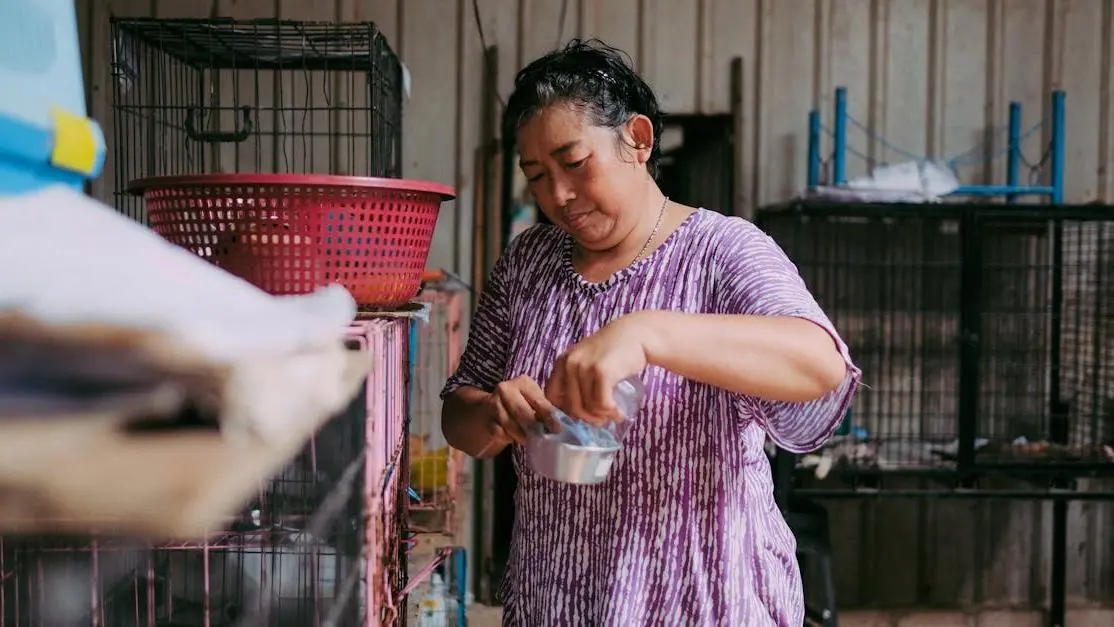
Volunteering with animals is more than just a good deed—it’s a powerful way to connect with your community and create change on your own terms.
If you’ve wondered how to start, or worried it might be intimidating, you aren’t alone; many people want to get involved but aren’t sure where to begin.
That’s why we’ve made an easy guide to support you, including:
- Real, hands-on steps for volunteering with animals in your area
- The emotional and community impact you’ll experience as a volunteer
- Ways to match your skills, schedule, and interests to opportunities that truly make a difference
Discover Why Volunteering With Animals Matters
Choosing to volunteer with animals is never just about playing with pets. It’s about you making a real difference in your neighborhood, your city, or even globally. Here’s what gives this form of service its punch.
Direct Impact of Volunteering With Animals: – You help animals move from scared and uncertain to adoptable and healthy. Shelters report higher adoption rates and lower euthanasia simply from consistent care and socialization. – Your energy fights community challenges. Animal volunteers are the backbone of rescue programs, disaster relief, wildlife rehab, and humane outreach. – You strengthen your own mental health. Studies show time spent with pets lowers stress, boosts moods, and can break cycles of loneliness or anxiety. – You support environmental progress. Wildlife volunteers restore habitats and educate on issues like invasive species—making your impact go farther than the shelter walls. – You connect with advocacy and community. When volunteers join together, like in successful peer-supported communities, they solve bigger challenges. Think real wins: rescue stories, changed lives, and neighborhoods transformed by small acts done consistently.
A single hour you give can directly change an animal’s outcome, while strengthening your own sense of purpose.
Identify Your Motivation and What You Hope to Gain
Volunteering is personal. We get it. You want meaning but also want to know your work leaves a mark. Clarifying your why supercharges your impact, for animals, your community, and yourself.
Why Do You Want to Volunteer?
Ask yourself: Is it compassion, skills-building, career inspiration, advocacy, or simply the desire to help? The best results happen when you match the “why” to the “how.”
Match Your Goals to the Type of Role
You don’t need to sign up for daily dog walks to play a part. Your fit could be: – Supporting from home: Virtual fundraising, adoption marketing, or data work for busy people. – Hands-on care: Bonding with animals, building skills, and feeling the impact instantly. – Fostering: Bringing animals into your space for critical healing, or helping them find confidence before they move on. – Advocacy: Use your voice for animals through education or social media—even one post can spark real change. – Community-based: Start projects, join events, or support small-run initiatives where your personal touch stands out.
Taking time to consider your strengths and emotional readiness helps you stick with it—and grow from it.
When you know what motivates you, you show up with more heart—and give help that matters most.
Explore the Different Types of Animal Volunteering Opportunities
You’ve unlocked your why. Let’s dive into the variety of roles out there. You want something local? Prefer impact from home? There’s a place for you.
Animal Rescue and Shelter Roles
Shelters and rescues run on volunteers like you. You could walk dogs, socialize shy cats, pitch in with cleaning, or use admin skills to keep things running. Some even need pet photographers or creative marketers to help boost adoption chances.
Fostering Pets
Fostering lets you help animals most in need—those recovering from illness, newborns, or pets that need to adjust before adoption. Families thrive too. Fosters build empathy (especially in kids) and get a direct look at transformation—one animal at a time.
Community and Peer-to-Peer Volunteering
Working with others directly in your area? Gathr makes it easy to find or create these opportunities: – Connect with neighbors to care for feral cat colonies, stray animals, or organize a pop-up adoption event. – Join or launch small, hyperlocal projects, like wildlife monitoring or “pet food pantry” drives. – Team up, get recognized for your hours, and see exactly how your help stacks up in the Gathr community.
Conservation, Wildlife, and Virtual Roles
Many roles don’t require direct animal handling: – Participate in habitat restoration, wildlife rescue, or data tracking from your computer. – Raise funds, spread the word, or educate with your social skills. – Specialized areas: therapy pet programs, transport, or response teams for emergencies are all out there, ready for eager hands.
Each type of role addresses a unique need—so tap into your skills, pick the causes closest to your heart, and go for it.
Learn About Common Requirements and What to Expect
Ready to step in? Most organizations want to make sure you’re safe, prepared, and comfortable. Knowing what’s usually expected takes away the guesswork.
Key Requirements to Prep For
- Age limits: Most hands-on jobs need volunteers over 16 or 18. Family and junior opportunities exist, especially in supportive or non-animal-facing roles.
- Physical requirements: Some roles mean lifting, walking, or handling high-energy animals. Shelter cleaning, laundry, and feeding all need stamina!
- Emotional readiness: Animal volunteering means joys, but also tough days. Training for emotional resilience is common—especially if you face loss or stress.
Training, Orientation, and Application
Expect a training session, orientation, or shadowing period before you jump in. You may need to complete paperwork, background checks, or reference checks. Most places offer written guides, emergency procedures, safety training, and ongoing mentorship.
Shelters and programs often reward reliability and a willingness to learn. Your flexibility—your willingness to take on less glamorous but vital tasks—sets you apart.
Being prepared from the start makes you a better volunteer, increases your impact, and helps you last longer in your chosen role.
Get Started: Finding and Securing the Right Opportunity
Stepping into animal volunteering starts with a single search or message. Your next step? Cut through the overwhelm and get set up with an opportunity that fits your time, your strengths, and your values.
Find and Check Out Local Matches
Don’t just sign up anywhere. Compare, dig deeper, then act.
Smart Moves to Secure the Right Fit:
- Search “animal shelter volunteer” or “pet rescue volunteering” plus your city to surface real, hands-on matches. Check each group’s website or digital presence for clarity.
- On Gathr, browse hyperlocal requests from people or groups who truly need you. You see opportunities, impact, and can directly reach out—no guessing if your work matters.
- Want proof? Request outcomes and annual reports. Strong shelters (and teams on Gathr) are transparent, showing adoption stats, stories, and real-life milestones.
- Reach out with questions: What tasks will you do? How long are shifts? Is training provided? How do they recognize success?
- Look for clarity around onboarding (training, orientation, and ongoing support). If an organization can’t answer these clearly, keep looking.
You get more out of volunteering when expectations are clear and outcomes are visible. Information is power.
Identify what matters most to you—hands-on time with animals, skill-building, or flexible shifts—then dive in with confidence.
Make the Most of Your Volunteering Experience
Now you’re in. This is your chance to shine and grow. Set yourself up for a great start by being realistic and proactive.
Get Comfortable, Then Challenge Yourself
Start with what you’re good at. When you’re ready, step into new roles. Every hour and every task has value.
- Build real friendships with staff, fellow volunteers, and even the people you serve. Tap into that community—use it as fuel for your motivation.
- Seek feedback and ask questions. Continuous learning keeps things interesting and shows commitment.
- If you run into emotional lows or tough cases, lean on others. Share stories and resources. Self-care isn’t selfish.
- Expand your impact. Try new shifts, skill up, or help organize events. Many of our most impactful volunteers started in one area and grew from there.
- Embrace thanks and progress updates. Celebrate every win—those happy adoption stories, those small breakthroughs, matter.
If you’re committed and willing to learn, your role will evolve—and so will your impact.
Join and Build a Community of Animal Advocates
Animal volunteering doesn’t end with you. There’s real power in bringing others along, working as a team, or starting new initiatives together.
Ways to Multiply Your Impact:
- Use platforms like Gathr to coordinate group volunteering, organize supply drives, or start projects that fill gaps in your local area.
- Connect, share, and collaborate in-app, joining forces with others who care as much as you do—your combined reach multiplies your influence.
- Celebrate stories. Whether your rescue cat gets a home or your wildlife team restores a habitat, spread these wins widely. It inspires more involvement and proves that small efforts add up.
- Mentor newbies. You can help guide the next wave of animal champions and strengthen your community’s foundation for years to come.
Every animal saved, every lesson shared, and every new volunteer welcomed makes this movement stronger.
Conclusion: Take the First Step Toward Making a Difference
Animal volunteering isn’t just for animal lovers. It’s for anyone who wants to do real good, make new connections, and build a legacy of kindness—one action at a time.
Forget worrying about making a big dent right away. Even a single shift, a small project, or a moment of care can spark change.
The easiest way to get started? Jump onto Gathr. Browse opportunities, ask a question, or offer your help right now—no matter your experience or schedule. If you’re ready to see your effort go further, connect with our growing community focused on real, people-powered impact.
Take the first step. The animals—and your community—are waiting.