
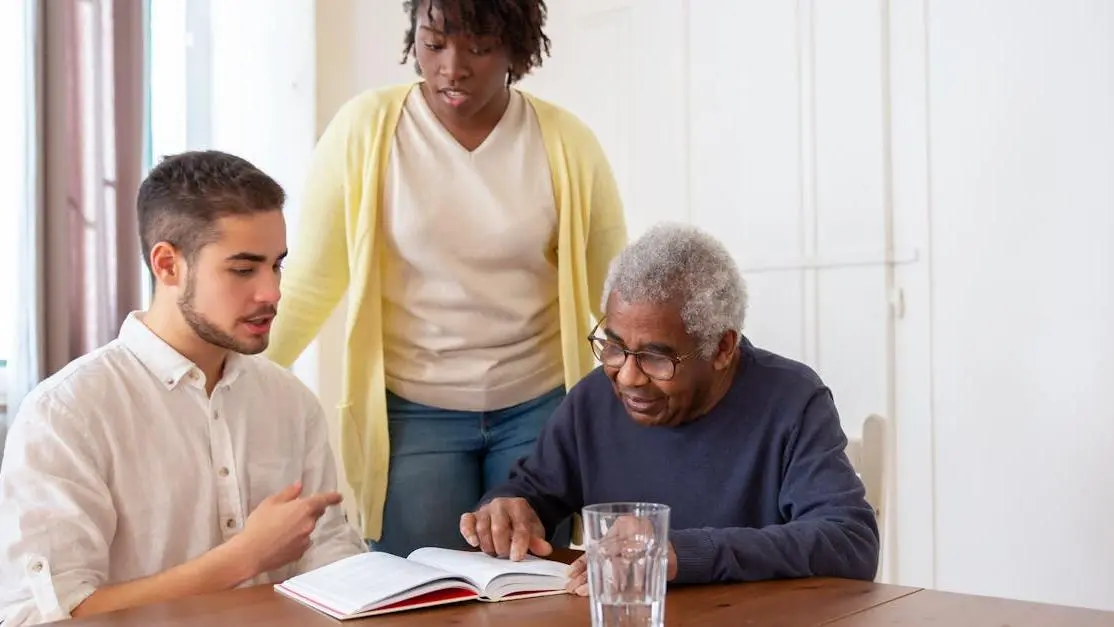
When you volunteer at nursing home communities, your time and kindness can immediately uplift people who need it most—yet getting started isn’t always clear or easy.
We know how rewarding, challenging, and sometimes overwhelming it can feel to step into this work.
That’s why we’ve created a practical guide for you that covers:
- How to volunteer at nursing home settings and find your fit
- What meaningful, hands-on impact looks like for both you and residents
- Ways modern platforms simplify connecting directly to people and opportunities
Why Volunteer at a Nursing Home?
You want to make a real difference. You want your time to matter. Volunteering at a nursing home does all that—fast. Every visit has visible, tangible results. You help seniors feel noticed, valued, and connected. Here’s why so many step up.
What You Actually Gain by Showing Up
- Personal fulfillment
You create joy where it’s needed most—direct, daily, and real. Expect residents to look forward to your visits. Their smiles and gratitude offer a satisfaction you can’t fake. - Powerful social impact
Your time helps reduce isolation and depression, two of the toughest challenges in senior care. Studies back this up: regular volunteer visits cut loneliness and boost mood among residents. - Boost your skills
Expect to get better at empathy, communication, and teamwork—skills that pay off at work and in your own relationships. Volunteering here isn’t just selfless; it’s a practical investment in yourself. - Community-level change
You become the bridge for intergenerational connection. Children, students, parents—everyone can play a part and learn from elders. Volunteers don’t just fill gaps. You make the entire environment more human. - Residents and volunteers both win
Research shows that everyone benefits from more frequent social contact—volunteers included. You get emotional stability, a strengthened sense of purpose, and even increased physical movement. Residents gain energy and engagement.
Even small efforts have a ripple effect on the entire community.
If you want an easier, more direct way to volunteer (or find help for your own loved ones), Gathr makes it simple. Our app pairs people with local needs—fast. No red tape, and you see your impact right away.
What Do Volunteers Do in a Nursing Home?
You want specifics. What do volunteers actually do? Your choices are wide—and always meaningful.
Key Ways Volunteers Spark Change
- Offer real companionship
Think regular chats, reading aloud, listening, or sharing meals. Residents open up, share memories, and get their story heard. - Lead recreation and enrichment
Run or join card games, art sessions, group music, or gardening. Your presence lifts mood and increases engagement. - Support events—big and small
Help staff decorate for holidays, organize birthday events, or host seasonal dances. You bring fun into ordinary days. - Assist daily routines
Pitch in by helping with transporting residents to activities, setting up dining rooms, or light tidying. No medical credentials needed—just a willingness to be present. - Share your special skills
Have a knack for music, crafts, hairstyling, or tech support? Nursing homes often need—and celebrate—unique talents. - Work one-to-one or with groups
Many volunteers form special bonds with memory care residents or lead younger volunteers in intergenerational projects.
Don’t underestimate little things. Staff repeatedly report that volunteer energy transforms “the feel” of a facility. Residents view volunteers as family, not just helpers.
The best impact comes from consistency, creativity, and a personal touch—bring yourself into the role.
Who Can Volunteer at a Nursing Home?
Everyone wonders if they really have what it takes. Good news: You don’t need special training or experience. Here’s what actually matters.
Who Thrives in These Roles
- Ages and abilities
Most homes welcome individual volunteers 15 or 16 and older. Younger kids sometimes join group visits with adults, adding more energy to the environment. - Personality trumps credentials
A caring attitude, reliability, and patience top the list. Facilities want people who listen, communicate, and show up when they say they will. - Ready for screening
Expect background checks and requests for references. Some facilities also need vaccination documentation or a negative TB test to protect residents. - Everyone fits somewhere
Whether you’re a student seeking hours, a retiree wanting to give back, or a group looking for a one-time project, you’ll find roles that fit your time and skills.
Facilities often love having volunteers with different backgrounds or languages. Diversity brings more connection—and everyone benefits.
How to Choose the Right Nursing Home to Volunteer At
The right match matters. Not all facilities run the same way, and you want your time to create the most good. Start by asking smart questions and aligning your interests.
Finding Your Best Fit
- Research care types
Look into assisted living, skilled nursing, and memory care. Each has its vibe and structure. - Match your skills and interests
Prefer music or art? Enjoy conversation over crafts? Communicate this up front to the volunteer coordinator. The best experiences result from matching your strengths to resident needs. - Ask the right questions
When you contact a facility, clarify roles, schedules, and training. Ask if your preferred days or times are available. Explore unique volunteer opportunities, like technology tutoring or advocacy programs. - Connect with the right staff
Most homes have a volunteer manager or activity director as your point person for onboarding, guidance, and ongoing support.
Volunteering feels best when you know what to expect and you can do what you like. Clarity helps everyone.
Active volunteer programs lead to happier residents and provide more options for creative involvement.
What Are the Requirements and Training Needed?
Safety, preparation, and respect always come first. Every facility will have a process—but you don’t need to master complicated procedures.
What to Expect at Onboarding
- Complete screening
Background checks keep the community safe. Most facilities cover costs or handle the process for you. - Attend a walk-through or orientation
Training covers the basics: facility layout, who’s who, confidentiality, emergency procedures, and resident privacy rules. - Get specialized training (if needed)
If you’re interested in dementia, hospice, or advocacy, you’ll receive targeted guidance like how to communicate with families and recognize signs of distress. - Stay up to date
Some homes require refreshers, short workshops, or quick check-ins to keep best practices front of mind. - Follow clear boundaries
You’ll learn what is and isn’t in your lane—so everyone feels secure.
Good training means you arrive confident and prepared, even on your first day.
How to Get Started: Step-by-Step Process
Taking action is simple when you break it into steps. Here’s your fast track from interest to impact.
Start Making a Difference in 7 Key Steps
- Self-check your motivations
Know what draws you in, what causes you’ll enjoy, and how much time you can give. - Find local homes or connect through Gathr
Use your network, quick searches, or the Gathr app to pinpoint open opportunities that match your location and interests. - Apply and reach out
Fill out an application or send an email. Some homes list volunteer roles online. Others welcome phone calls. - Screening and paperwork
Participate in interviews, provide references, and complete any background or medical forms. - Train up
Attend programs or shadow an experienced volunteer to see actual best practices. - Jump in with starter activities
Start small: join a group craft, help set up an activity, or talk with a resident for a few minutes. - Stay connected
Keep in touch with staff, provide feedback, and look for ways to do more as you settle in.
Consistency, reliability, and communication are everything. You’ll earn trust with every shift and see the good add up over time.
Start small, show up, and steadily expand your impact. That’s how the best volunteers (and the best results) are built.
What to Expect: Challenges and Rewards in the First Few Visits
You step into a nursing home for the first time. Everything feels unfamiliar. That’s normal. Most volunteers start off nervous or unsure. The new routines, faces, and sometimes even the sights and sounds can catch you off guard. But with each visit, you gain confidence and comfort.
How to Ease into Your New Role
- Start with simple tasks
Help with games, set out snacks, or chat with residents. This gives you a no-pressure way to learn the ropes. Every simple act starts to build trust. - Lean on the team
Staff and long-time volunteers have your back. Never hesitate to ask questions—they want you to succeed. - Give yourself grace
Difficult emotions may pop up: grief, seeing illness, or feeling out of your depth. Facilities often offer ways to debrief. Journaling or short breaks help, too. - Focus on connection
Watch how even a smile or remembering someone’s favorite song can light up the room.
It gets easier—and more rewarding—each time. Most volunteers find that by their third or fourth visit, they look forward to going back.
The biggest early hurdle is showing up. After that, connections and confidence come quickly.
How Volunteering at a Nursing Home Benefits You and the Community
You’re not just helping others. You’re improving your own life. The benefits begin with your first visit, and they get bigger with every relationship, new skill, and shared smile.
Life-Changing Results—For You and Them
- Gain new skills fast
You learn patience, better communication, and how to handle tough situations calmly. These skills pay off at work, at home, and everywhere else. - Expand your network
Volunteers build genuine friendships with staff, residents, and even other volunteers. These connections can last far beyond the nursing home. - See immediate impact
Residents often say volunteer visits are the highlight of their week. People feel less lonely. Staff have time to focus more on personal care. - Personal satisfaction
There’s a pride and happiness that comes from making someone’s day—or week—distinctly better because you decided to show up. - Spark more community action
Facilities with active volunteer programs see better morale among staff and more options for activities. Your example can inspire others.
When you uplift others, you end up raising yourself, too.
Using Modern Tools to Find and Manage Volunteering Opportunities
You want a process that fits your life, not the other way around. Scheduling, tracking hours, and finding just the right opportunity can be tough with old-school systems. Modern platforms solve this.
Why Gathr Works for Today’s Volunteer
- Instant matching with real needs
Gathr lets you search or post volunteer help for nursing homes with zero red tape. You see urgent needs and ongoing roles—all local, all transparent. - Easy scheduling and feedback
Manage your signups, get reminders, and track your progress or hours right from your phone. It’s built for real people, not just organizations. - Peer-powered, personal connections
You connect directly with activity coordinators or even other families. Want to offer a music session or language help? Gathr showcases your unique contribution. - Community support
The platform encourages learning and support between volunteers. You get quick answers, shared tips, and success stories for motivation.
With Gathr, you cut out delays and see your results in real time.
The right tech clears the path—now your energy goes into impact, not paperwork.
Frequently Asked Questions About Volunteering at Nursing Homes
There’s nothing wrong with wondering what to expect. You want clarity. We get asked these questions a lot—so here are honest, actionable answers.
- What activities will I do?
Everything from leading games, reading, and running crafts to helping with special events. Your role matches your comfort and skills. - Can I start with no experience?
Absolutely. Training and mentoring are built in. Facilities expect to show you the ropes. - What’s the typical time commitment?
Flexible options exist for students, parents, or busy professionals. Some people give an hour a month, others a few hours each week. - Can families or kids join?
Many homes love group visits. Some require adult supervision for kids under 15. - What about health and safety?
Expect clear protocols, including vaccinations, screening, and infection control. All designed for everyone’s safety. - What should I bring or prepare?
Comfortable clothes, an open mind, and a willingness to participate. Supplies and guidance come from the home.
Questions empower better volunteering—so keep asking.
Inspiration: Real-Life Stories From Nursing Home Volunteers
Every volunteer brings something unique. The stories we’ve seen firsthand prove that small actions lead to big changes—for residents and volunteers alike.
- Parents and kids who start a weekly board game afternoon and end up seeing generations interact in new ways.
- Students who teach residents how to video chat with family, changing their social world forever.
- Volunteers who join a one-time party and are struck by a resident’s story—so they keep coming back, building a friendship that lasts months or even years.
- Multilingual volunteers who help non-English speaking residents reconnect with their heritage and voices.
- Group projects like garden makeovers that turn into annual traditions everyone looks forward to.
Seeing immediate, lasting smiles is its own reward.
How to Make a Lasting Impact and Stay Involved
The best volunteers don’t settle for the minimum. Here’s how to deepen your impact and keep your motivation high.
- Mentor new volunteers. Help others start strong—your advice sticks.
- Organize your own group visits or new activities. If you notice a need, take initiative.
- Bring a friend, family, or youth group. Intergenerational events multiply benefits for all.
- Propose new projects—digital story hours, gardening, book clubs, tech tutoring. Facilities welcome creative energy.
- Use feedback for improvement. Ask residents and staff what they enjoyed most. Reflect, adapt, repeat.
Your commitment drives community change.
Conclusion: Take the First Step Toward Meaningful Change
You can make a difference at a nursing home. Anyone can—no experience required, just commitment and heart. The fulfillment, skills, and relationships you gain are real and lasting.
Ready to turn your compassion into action? Find or create a volunteering experience today. Gathr helps you do it, one connection at a time. Jump in, show up, and see how much you can change—starting now.