
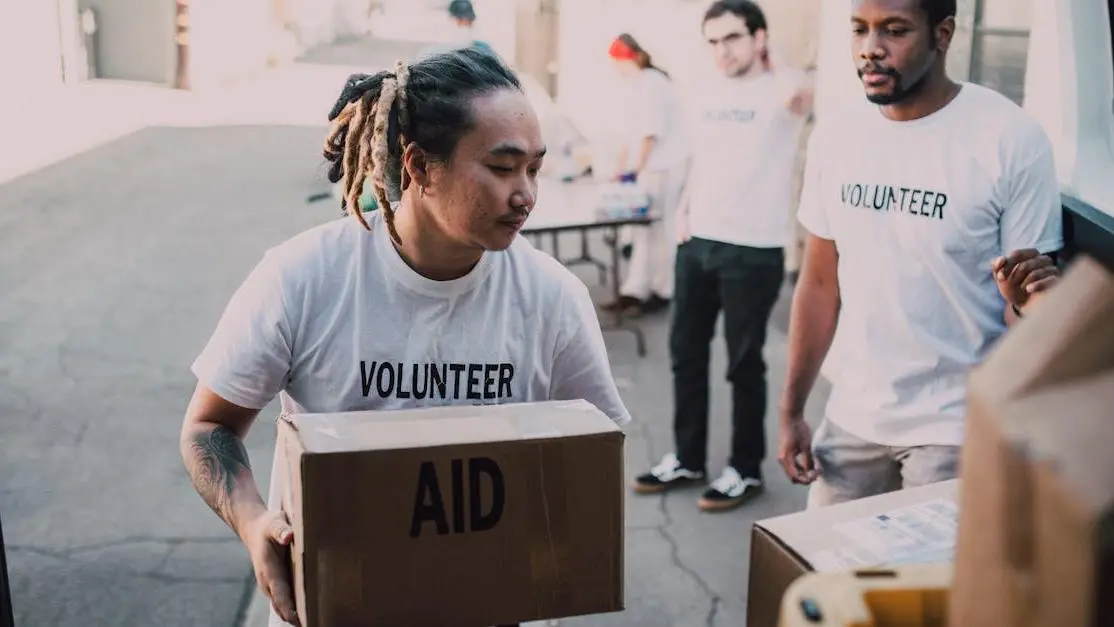
A good will volunteer is someone who freely gives their time, effort, or skills to help others—neighbors, local groups, or broader causes—without expecting a reward.
This can include anything from sorting donations at a local shop, assisting with digital literacy, joining a clean-up, or just helping a neighbor in need.
Good will volunteer roles are flexible, community-focused, and open to all skill levels—whether you’re supporting an organization like Goodwill or taking action peer-to-peer through platforms like Gathr. You’ll find options for in-person and virtual support, short commitments, and direct opportunities to make a visible impact right where you are.
What Does It Mean to Be a Good Will Volunteer?
Want lasting impact? Good will volunteering is all about giving your time and skills to help others—without chasing a reward. You show up, you serve, and you change lives, often starting with your own. Both structured programs and casual acts count.
How Good Will Volunteers Move the Needle:
- Step in locally—join thrift stores, organize clean-ups, or help a neighbor with errands. Every task, no matter how small, piles up into community change. Micro-volunteering lets you fit acts of service into any day.
- Lead workshops or mentor one-on-one. Teach digital skills or review resumes. One focused session often springboards someone into work or education.
- Tackle donation logistics, sort goods, and assist in retail production. Jobs like these fund broader support services and divert items from landfills, delivering real economic and environmental value.
- Use your technical skills—volunteer for grant-writing, create online content, or provide language translation. Virtual contributions drive inclusion and broaden access across backgrounds and geographies.
Volunteers drive measurable change, not just good vibes. A year of volunteer-led tax centers once delivered $33 million in refunds to families needing relief, thanks to committed, everyday people. The work you choose can flow directly into someone’s career, security, or stability.
Any act, from a quick favor to joining a service center team, counts. Consistency isn’t the only path to real progress.
Why Choose to Volunteer With Good Will or Similar Organizations?
Thinking about where to give your energy? trusted organizations offer proven ways to boost employment, education, and sustainability. Your time creates direct, visible wins.
You can support retail operations to raise program funds or coach job seekers through critical transitions. Volunteers make job centers and community workshops possible. When you give an hour or a day, people build skills, gather confidence, and get closer to the life they want.
Key Ways to Get Involved and See Change Fast
- Support workforce programs: Lead youth mentorship, provide resume feedback, or conduct interview practice—tasks that link directly to hiring and real-world confidence.
- Sort and price donations: Keep the cycle going so essential goods reach more people while cutting waste.
- Host drives or events: Use your skills to rally your neighbors, organize food or clothing collections, and make sure support lands where it’s needed most.
- Boost environmental wins: Thrift and donation roles reduce landfill use and champion the circular economy.
Established organizations hand you clear roles, training, and results you can see. But those tools aren’t the end of the story—you can now blend in-person commitments with the agile, peer-to-peer work you find through apps like Gathr. Platforms like ours take direct help and micro-volunteering out of the “maybe someday” zone. Want to help right now? We connect you with local needs, peer requests, and instant-impact tasks so your good will isn’t locked behind paperwork or long waits.
You decide: structured, peer-to-peer, or both. It’s your impact, your schedule.
What Motivates People to Become Good Will Volunteers?
You want more than a to-do list. You want a sense of purpose, a boost to your own growth, or to break isolation. Motivation springs from seeing your strength change someone’s day.
Recent studies show that people who help others report better mental health, stronger social ties, and even physical health bumps—life satisfaction rises by up to 11%. Those giving in “other-oriented” ways, focused on someone else’s breakthrough, see the biggest benefits.
People at every stage find a reason to serve:
- Students build both skills and resumes, and access mentors.
- Professionals develop new strengths while boosting confidence.
- Retirees and those in transition often cite gratitude, structure, and a way back into their community.
You matter—so does your well-being. Volunteering slashes loneliness, connects you with new circles, and gives your day structure. Those who review resumes or coach interviews in workforce centers don’t just unlock doors for job seekers—many land roles themselves, fueled by their experience.
The act of helping is one of the fastest ways to see your value, create social proof, and set up wins on both sides.
What Types of Good Will Volunteer Opportunities Are Available?
Every skill, every schedule. There’s a need for you and a true fit for your talents. You can focus on instruction, hands-on service, organizing, or remote help—choose one role, or sample many.
Popular, High-Impact Volunteer Opportunities:
- Lead instruction: Teach digital skills or run resume clinics. One lesson can define a job path.
- Mentor or tutor: Work with youth or adults to support education, life skills, or career planning.
- Drive community outreach: Develop or join food drives, shelter support, or local beautification projects.
- Help in retail or production: Customer service, repairing, or sorting donations fuels funding and access—while cutting landfill waste.
- Take on virtual tasks: Tutor, translate, design, or support operations entirely online.
Flexible commitments let you test the waters. Try a quick micro-task, one event, or a regular shift.
You also get onboarded, trained, and supported, so your strengths shine from day one. Plug into a proven system, tap into your own network, or do both. Make it easy. Make it count.
What Are the Benefits of Being a Good Will Volunteer?
The payback? It’s real. Volunteering feeds your mind, your body, and your network.
You build new skills, log concrete wins, and grow a reputation as someone who gets things done. Every hour lifts your own sense of purpose—while evidence shows it also cuts stress and lifts mood, often for the long term.
Real Benefits of Stepping Up:
- Health jumps: Mental and physical well-being get a lift, with depression risk dropping as much as 8–11%.
- Resume wins: Lead a project or run a training session. Your experience translates to job-ready skills and real examples for interviews.
- Community ties: Connect with people who care. Grow a local network that supports you and others.
- Proof of impact: Track your time and tasks. See tax refunds delivered, jobs landed, or local clean-ups completed. Every log is a badge of honor.
- Identity and momentum: Helping others, even a single hour at a time, locks in the identity of a changemaker.
Track your hours, reflect on your impact, and watch as small wins snowball into lifelong change.
How Do You Make Volunteering Fit Your Life?
Most people worry about finding the time. You might wonder whether consistent volunteering is possible with your schedule, or if you’re “qualified” for anything meaningful. The answer is yes, and you can start small.
Every lifestyle holds space for service. Busy workweeks, family commitments, or odd shifts don’t rule you out—they make you the perfect candidate for flexible, peer-driven, on-demand volunteering.
Flexible Volunteering That Suits Any Schedule
- Students: Work with campus drives, step into weekend events, or chip away with peer-to-peer micro-tasks.
- Working parents: Evening or remote options let you serve when the house is quiet. Micro-actions—ten minutes to check in on a neighbor or craft a quick resume note—add up fast.
- Retirees: Mentoring and community projects give structure, purpose, and a wide new circle to your days.
- Remote workers: Plug in during breaks for virtual mentoring, feedback, or digital support—no commute necessary.
- Anyone, anytime: Short cleanups, neighborhood help, or even quick translations online fit pockets of your day—without stress or planning.
Pace it for your life. Start light, build if you want, and watch your impact grow.
You don’t need open-ended blocks of time. Minutes matter, momentum builds, and your schedule stays yours.
How Can You Build Momentum and Make Volunteering a Habit?
Starting is just one step. The key to building real change is turning good deeds into lasting habits. Daily, weekly, monthly—your rhythm counts.
Tracking, celebrating, and sharing lock in progress and create energy for the next act.
Simple Strategies to Build Lasting Volunteer Habits
- Stack volunteering onto your routine: Add a micro-task before work or after dinner, or commit a lunch hour once a week.
- Join group challenges: Rally friends to “volunteer together once this month.” Accountability makes it easier—and more fun.
- Celebrate milestones: Every hour, every task. Mark your wins, log your time, reward yourself.
- Share your stories: Post updates, fun photos, or quick wins on your feed. Show the ripple from your work—it inspires others.
- Use reminders or apps: Set recurring pings on your phone or calendar. Many platforms (like Gathr) can help you keep track of what you’ve contributed.
Building momentum doesn’t require huge ambition. It only takes action, reflection, and a little consistency.
Habits form from celebrating small wins and counting every step, not chasing perfection.
Where Can You Find the Best Peer-to-Peer Volunteering Opportunities?
You want impact that feels close, real, and direct—without jumping through hoops. Peer-to-peer platforms like Gathr deliver by connecting you instantly to neighbors and nearby needs. No red tape, no endless signup forms.
When you use Gathr, you choose your timing, your focus, and your level of commitment.
Why Peer-to-Peer Volunteering Fits Modern Changemakers:
- Join hyper-local efforts fast, for urgent or everyday needs, without waiting for big events.
- Connect to causes in your alley, on your block, or even overseas—from cleaning up a park to helping after a hurricane.
- Offer or request help directly—skip lengthy roles or interviews and act when and where you decide.
- Filter by area, skills, or causes, so every task matches your strengths and passions.
Prefer traditional routes too? Go for it. Mix and match with local organizations or legacy portals. But when you want action without waiting, or want to test new kinds of impact, choose an instant, peer-driven path.
What Are Common Questions or Concerns About Starting as a Good Will Volunteer?
You’re not alone if you have doubts or feel overwhelmed. Let’s smash those blockers.
Top FAQs—And How to Beat Them Today
- Do I need special training? Most roles offer guidance or mentorship from the start—no superhero skills required.
- Can I skip weekly commitments? Absolutely. Many options are one-off events, short-term tasks, or as-you-can micro-actions.
- Are there online ways to help? Yes. Tutor, check resumes, design graphics, or translate resources from anywhere.
- Does my time even matter? Direct outcome stats show the truth—resume feedback leads to real hires, local clean-ups transform spaces, and every task brings visible results.
- Unsure you’ll fit in? Pair up for your first shift, ask to shadow, or sample a few different activities. You’ll find your spot.
Track time, ask for feedback, and don’t wait for the “perfect” moment—a single hour changes both your story and someone else’s outcome.
Uncertainty fades once you try. Action beats anxiety every time.
How Can You Multiply Your Impact as a Good Will Volunteer?
You’ve experienced the lift for yourself. Ready to help others join the wave? You can rally a group, share your specific talents, and spark a ripple effect across your community.
Easy Ways to Scale Your Good
- Recruit friends and family—tackle group projects, host drives, or do team-based peer volunteering.
- Share skills beyond your day job—design, photography, organizing, or strategy make organizations and projects leap forward.
- Spread the word: Use social platforms, local chats, or group texts to invite others or spotlight causes needing help.
- Collaborate on recurring projects: Set up monthly cleanups or fundraising events. Momentum accelerates with every repeat.
Organize, track your group’s hours, and celebrate together. More hands make lighter, bigger work—and encourage new helpers to step up.
Looking for a way to get involved in your community?
Check out Gathr — a new app that makes it easy to find volunteer opportunities anywhere.
Find Opportunities →Conclusion: Take the First Step Toward Becoming a Good Will Volunteer
Anyone can spark change. Start with a single task, an hour, or one small favor—then stack the wins, watch your impact multiply, and see what’s possible.
You have the skills, the heart, and the drive. Platforms like Gathr give you the tools, the match, and the power to take action right now.
Open our app today, pick one opportunity, and step into your role as a good will volunteer. You become the positive change you want to see—no barriers, no waiting. Now is your time.