
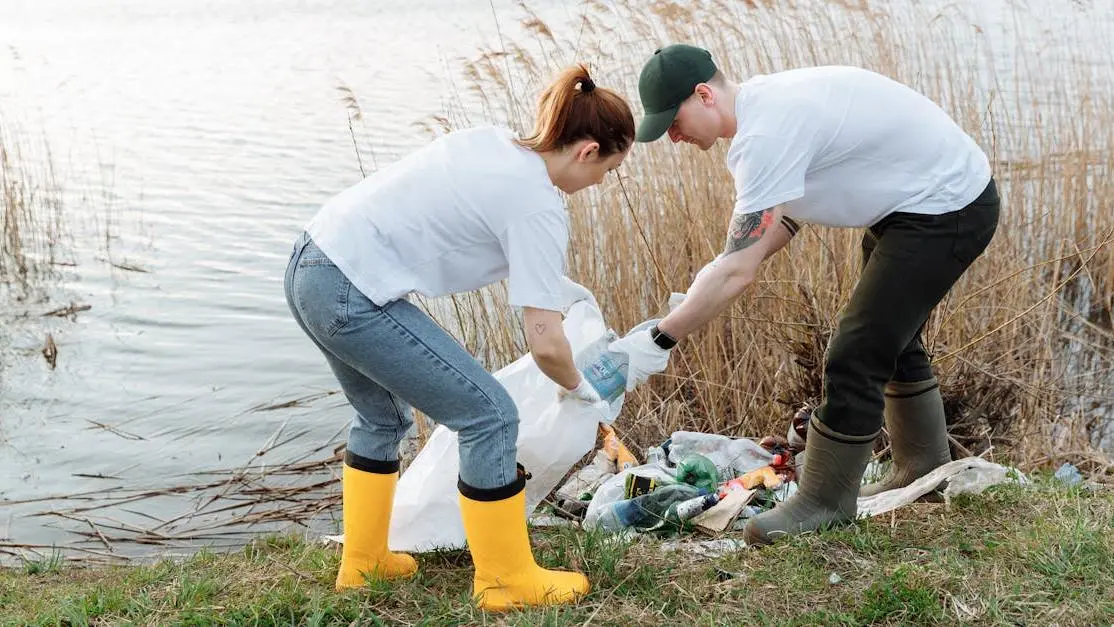
A VSO volunteer is a person who partners directly with communities—locally or globally—to create real social impact through hands-on work in education, health, and sustainable livelihoods.
VSO volunteers support ongoing projects alongside local leaders, focusing on inclusion and long-term change for marginalized groups.
Unlike traditional short-term volunteering, VSO volunteers contribute skills and build capacity within systems, often leading to lasting improvements and personal growth.
If you’re seeking a way to make meaningful connections while helping people thrive, exploring VSO volunteer opportunities is a strong path to consider.
Understand What a VSO Volunteer Is and Why It Matters
Most people interested in meaningful volunteering want three things: real local impact, work that values inclusion, and experiences that shape their skills for good. Digging into what a VSO volunteer actually does answers these core needs fast.
What makes a VSO volunteer different? – Drives change inside the community: Volunteers support local teachers, health workers, and groups, building skills rather than stepping in as outsiders. – Focuses on systems, not just short-term help: A VSO volunteer backs programs that last years, benefit millions, and keep local people front and center. Their projects stretch from education to health to sustainable jobs. – Roots out inequality at the source: Roles always prioritize people left out, like girls, youth, people with disabilities, or minority groups. – Blends global know-how with local leadership: Programs bring in international, national, and community volunteers, using everyone’s experience so solutions actually stick. – Helps shape policy and real services: This isn’t just office work. Volunteers can get involved in reforming curricula, supporting new school leadership, and influencing public health or environmental initiatives.
Want to act locally and flexibly but with big-picture value? At Gathr, we know structured models like VSO offer robust, multi-year projects and in-depth training for those ready for longer commitments. Our expertise lets us design agile, peer-led alternatives for quick action, yet we respect the power of deep, sustained impact that VSO style programs bring.
Volunteering that puts communities, not organizations, at the center always leads to stronger, longer-lasting change.
Discover the Impact VSO Volunteers Create in Communities
If you’re after proof your time will count, look at these results. VSO’s community-first, inclusive approach gets millions of people better schools, fairer health services, and stronger job opportunities.
Real Success Stories From the Field
- Education in action: In Rwanda, Building Learning Foundations trained 30,000 teachers and 2,650 head teachers, serving 2.6 million kids. Children’s test results shot up, with 59% gains in maths and 42% in English.
- Girls’ access unlocked: Nepal’s Girls and Inclusive Education Networks helped 2,500 girls into school and pushed governments to adopt new inclusion policies.
- Job creation on the ground: Kenya’s Waste to Work powered by youth collected 2,100 tonnes of waste and backed hundreds of green startups.
- Health for every body: Youth-led SRHR projects across Africa improved care for 30,000+ young people, using tech tools and scorecards that made clinics more accountable to local needs.
What Volunteers Actually Do
- Extend public resources so more children learn, girls attend school, and young people get honest health advice.
- Support new leaders by mentoring teachers and peer groups—like Rwanda’s Leaders of Learning movement—boosting professional growth and making changes sustainable.
- Drive policy and practice by representing community voices and monitoring program progress.
- Leave lasting footprints: most volunteers say they gain lifelong skills, new confidence, social action streaks, and even change jobs or launch new teams back home.
These impacts directly align with the United Nations Sustainable Development Goals, ticking off boxes like quality education, gender equality, decent work, and climate action. Results-driven, practical, and always centered on local needs.
Learn Who Can Become a VSO Volunteer and What Is Required
Volunteering isn’t just for one type of person. You count, wherever you start. VSO roles fit a wide array of skills and backgrounds, putting you where you can create the most good.
Who Makes a Great VSO Volunteer?
- Teachers, nurses, and experienced pros: Professional expertise drives biggest change, especially when you can train or coach others.
- Local changemakers: Community and national volunteers keep projects running strong after international teams leave.
- Young leaders and fresh grads: VSO youth programs plug in 18 to 25-year-olds for projects that use peer energy to drive social movement.
Requirements usually include some experience in your field, openness to learning, a drive to adapt, and strong cultural humility. If you want to lead, listen first, and uplift voices, you’re on the right track.
What Kinds of Work Can You Do?
- Train teachers, run classroom clubs, or build leadership programs.
- Improve health clinics, work on women’s health projects, or help communities set their own health goals.
- Build up small businesses, youth-led startups, or savings groups with skills and mentoring.
- Support inclusion, advocacy, and system changes by working with groups often left behind.
VSO placements are formal and skills-based, favoring structured growth. Gathr’s peer-to-peer routes fit those seeking fast, grassroots, and flexible options, no years of experience needed.
Step up if you want to move from intention to action, whether one-on-one or inside a global project.
Follow the VSO Volunteer Journey: Steps to Get Involved
Ready to move forward? Here’s how the VSO volunteer process works—from your first click to community action.
Your Step-by-Step VSO Path
- Apply online. Show your skills, your passion, and how you want to help. Attach a CV that highlights coaching, mentoring, or cross-cultural experience.
- Interview round. Get matched for skills and motivation through practical, scenario-based questions.
- Get matched to the right project. Receive a clear role description, what’s covered, and what impact you’ll make.
- Go through in-depth orientation—background checks, health checks, cultural, and safeguarding training all included.
- Travel or join virtually. This can mean local or overseas placements, with options for youth exchanges and digital roles for maximum access.
- Land on the ground (or online). Meet your team, get mentored, join peer networks, and start real work with clear goals.
- Receive ongoing support. VSO provides country teams, security guidance, peer links, and career advice post-placement.
Most placements are mid- or long-term, with costs varying by role—many are funded, some require partial personal contribution.
- Insider tip: Prep by checking visa rules, health requirements, and cost coverage for your specific assignment. Use VSO’s FAQs and support team to avoid surprises.
Active preparation, clear intent, and trained support—these combine to set you up for confident, purposeful volunteering.
Prepare for Your VSO Experience: Insights and Readiness Tips
You want every hour of your effort to count. Preparation turns good intentions into real-world achievement. The best volunteers adapt, listen, and overcome—especially when things get hard.
Key Areas to Ace Before You Arrive
- Cultural flexibility: Start by learning local customs, language basics, and daily life realities. This gets you farther than any technical skill alone.
- Realistic self-care: Take health checks seriously. Secure travel docs, insurance, and must-have supplies. Prioritize both mental and physical wellness.
- Ethical action: Go slow at first, focus on listening, and co-create with local partners. Push solutions that last because communities own them, not because you moved quickly.
- Practical logistics: Know how to navigate local transport, food, communication, and what to do in an emergency. Plan for things not going as planned.
- Capacity, not charity: Lasting change requires sharing knowledge and letting others take the lead. Short-term fixes rarely stick—show skills, then pass the baton.
Volunteers who stay open, humble, and prepared create deeper, more lasting impact for everyone involved.
Personal stories from projects like Rwanda’s Leaders of Learning or Mozambique’s youth enterprise teams reveal what really matters: investing time in relationships, letting young people lead, adjusting when plans shift, and always putting inclusion at the core. Expect challenges—resource gaps, setbacks, culture shock. Growth and connection come from moving through these, supported by in-country briefings, clear guidelines, and peer mentors.
When you choose rapid responses for local needs, our experience at Gathr shows why adaptability pays off: real-world practice with new communities strengthens your confidence, empathy, and sense of justice.
Measure the Impact: How VSO Volunteering Creates Change for You and Others
You want to know your commitment will stay with you, not just the people you help. VSO placements don’t just create community outcomes—they reshape careers and values back home.
Key Gains for Volunteers
- Over half become more socially active and community-driven when they return.
- Many swap careers toward education, health, inclusion, or launch new ventures—with nearly 40% reporting significant influence from their placement.
- Youth see huge boosts in confidence and networks; experienced pros adopt new working styles, push for fairness, and shift organizational culture.
- Almost a third build on their experience by starting NGOs, joining campaigns, or mentoring others after coming home.
Alumni say skills gained from volunteering stick, especially leadership, public speaking, and cross-cultural teamwork. These translate into everything you do—jobs, family, activism.
Ways Your Work Keeps Expanding
- Sharing best practices back home sets bigger change in motion—creating ripples across organizations, workplaces, and social circles.
- Staying connected means you help fundraise, raise awareness, or offer remote support to past project teams.
- Youth-led networks and alumni channels make reintegration and continued commitment easier, turning involvement from a one-time act to a life-long strategy.
Experience shows: showing up today leads to lasting legacy tomorrow.
Explore Alternatives and Next Steps for Volunteering
Not all volunteers want the same thing. Decide where you’ll add the most value by matching your skills, time, and energy to the setup that fits best.
Choosing the Right Volunteering Route
- VSO programs: Best if you want multi-year impact, robust training, safety nets, and to build policy or lead system change.
- Gathr-style volunteering: Go this way for flexibility, direct peer connection, quick local action, and low entry barriers—perfect for first timers or ongoing contributors.
Checklist: Ready to Volunteer?
- Purposeful CV (leadership, capacity, mentoring)
- Examples of cross-cultural or peer-led work
- Professional credentials and references (if needed)
- Health clearances, insurance, travel papers set
- Clarity on stipend or funding (what’s supported)
- Country and role pre-reading done
Take these steps before you apply. This groundwork makes sure the experience matches your goals—and that your effort pays off for the people you serve.
Looking for a way to get involved in your community?
Check out Gathr — a new app that makes it easy to find volunteer opportunities anywhere.
Find Opportunities →Conclusion: Start Your Journey Toward Meaningful Change
The first step is yours to take. Choose a path—structured VSO or flexible, peer-powered volunteering—that sparks your purpose and matches your life.
Every act, big or small, counts toward creating more opportunity, inclusion, and hope in the world around you.
Explore your next volunteer opportunity today. Assess your strengths, set your goal, and move from good intentions to direct impact.
Change starts with action. Your action.